
28 October 2026, 15:10
Loading...
Top 10 energy events of the past week
oEnergetice.cz
26 May 2024, 22:03
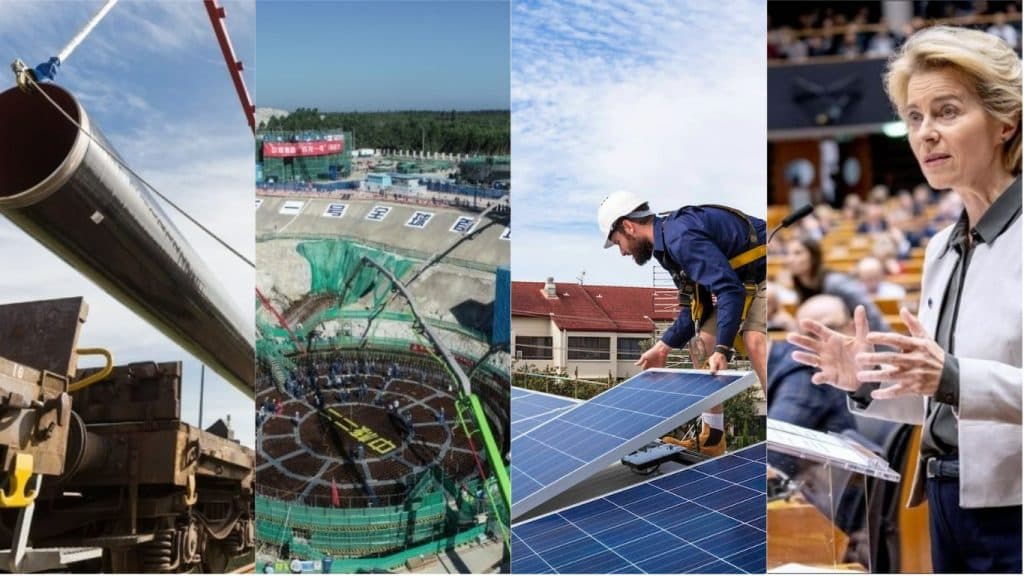
1. Japan likely to restart the world’s largest nuclear power plant

Japan is likely to restart the world’s largest nuclear power plant this year, measured by installed capacity. The Kashiwazaki-Kariwa nuclear complex has an installed capacity of 8212MW and is also the world’s fourth-largest electricity-generating facility.
The plant is operated by TEPCO and can supply up to 16 million households. It was previously shut down following an earthquake in 2007, and did not resume operations until 2009. Following the Fukushima disaster in 2011, the plant was shut down again the following year.
2. German electricity exchange price exceeds 100 euros per megawatt-hour
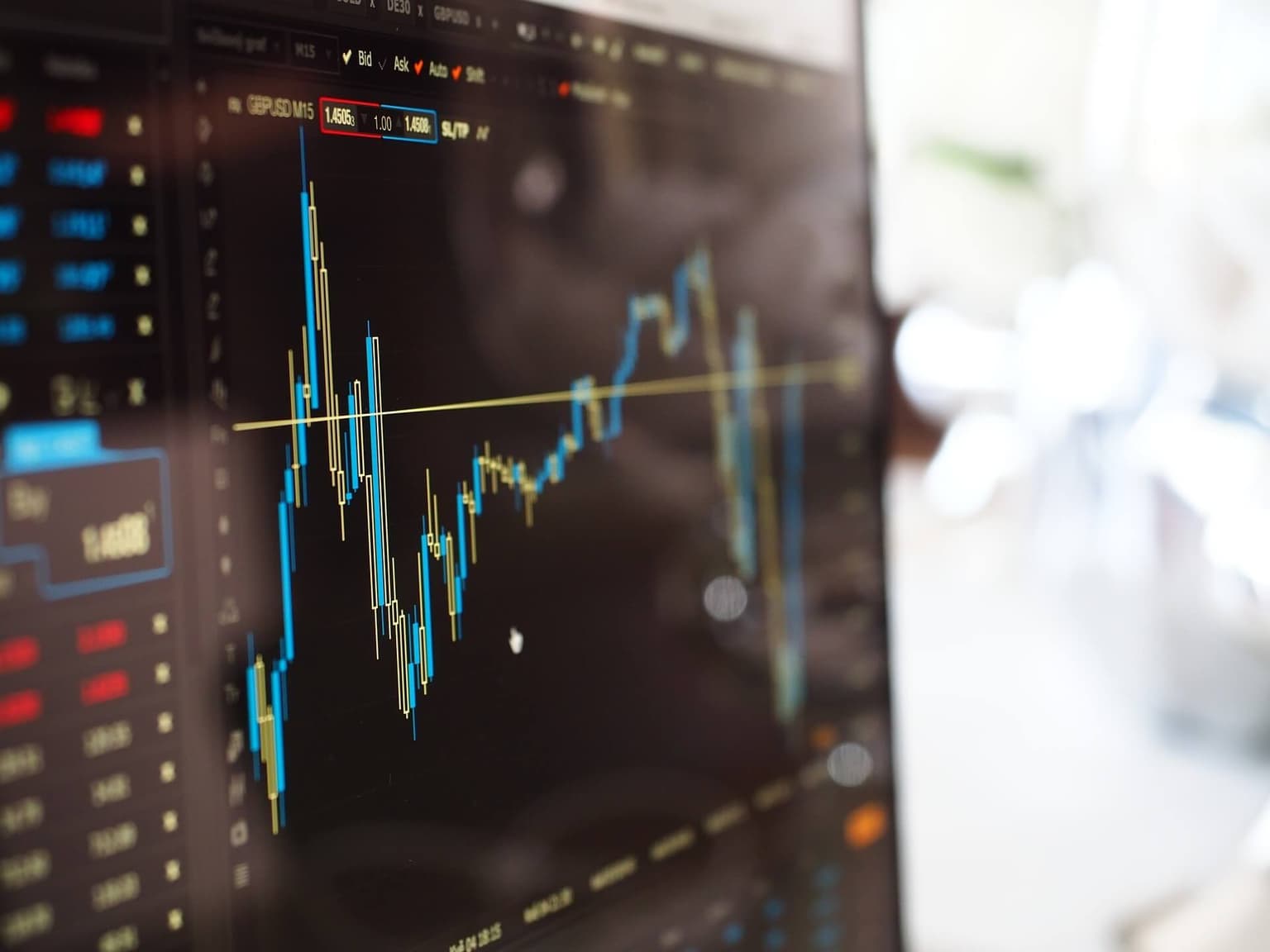
The wholesale price of electricity for delivery next year on the German market, a key benchmark for Europe, exceeded 100 euros (roughly CZK 2500) per megawatt-hour (MWh) today. Analysts say several factors are behind the rise in electricity prices, including increasing consumption, rising emissions allowance and natural gas prices, and a fall in wind power generation in Germany.
“The price of the annual electricity contract topped 100 euros per MWh on Wednesday. This is the highest price since the beginning of December last year. Electricity is responding to rising emissions allowance and gas prices, which have also climbed to this year’s highs,” Jiří Tyleček, an analyst at XTB, told the Czech News Agency (ČTK).
3. Finland could supply up to 70 TWh of green hydrogen to Central Europe

The Nordic countries have significant potential to produce green hydrogen and export it to Central Europe. Finland has particularly strong potential, according to a study by consultancy DNV commissioned by German gas transmission system operator GASCADE. The international news outlet Clean Energy Wire reported.
According to the study, Finland could export up to 70 TWh of green hydrogen annually to Central European countries by 2050. That is equivalent to about 2.1 million tonnes of green hydrogen. The study says green hydrogen supplied from Finland could be inexpensive thanks to the high share of renewable electricity in the country’s power mix.
4. Ústí Region examining whether giant excavator at ČSA mine in the Most region can be preserved

The Ústí Region wants to find out whether a giant mining machine, currently out of service at the ČSA mine in the Most region, can be preserved. The costs of moving and maintaining it will be set out in a feasibility study, which will inform politicians’ decision on the excavator. Deputy Governor Jiří Řehák (Allies for the Region) said this. The owner, Sev.en Česká energie, is ready to cooperate with the region, the group’s spokesperson Eva Maříková told the Czech News Agency (ČTK).
The RK 5000 bucket-wheel excavator is 155 metres long and weighs 5500 tonnes. If it were dismantled completely, the scrap would be worth CZK 30 million, according to Řehák. The region will apply to the European Union for funding from the Just Transition Operational Programme. “It is truly unique; in a reclaimed brown-coal mining area, it could attract tourists alongside the Baroque Jezeří Chateau and the national natural monument that part of the ČSA mine is set to become,” Řehák said.
5. EU member states give final approval to electricity market reform

Brussels, 21 May (ČTK correspondent) – EU member states today gave final approval to the European Union’s electricity market reform, the Belgian presidency announced on X. The legislation aims to make the market more affordable and consumer-friendly, and to protect vulnerable customers from having their electricity disconnected.
The electricity market reform was approved at today’s meeting of EU ministers responsible for telecommunications. Czechia was represented at the meeting by Deputy Prime Minister Ivan Bartoš.
6. EU countries ask Commission to assess impact of planned sanctions on Russian LNG
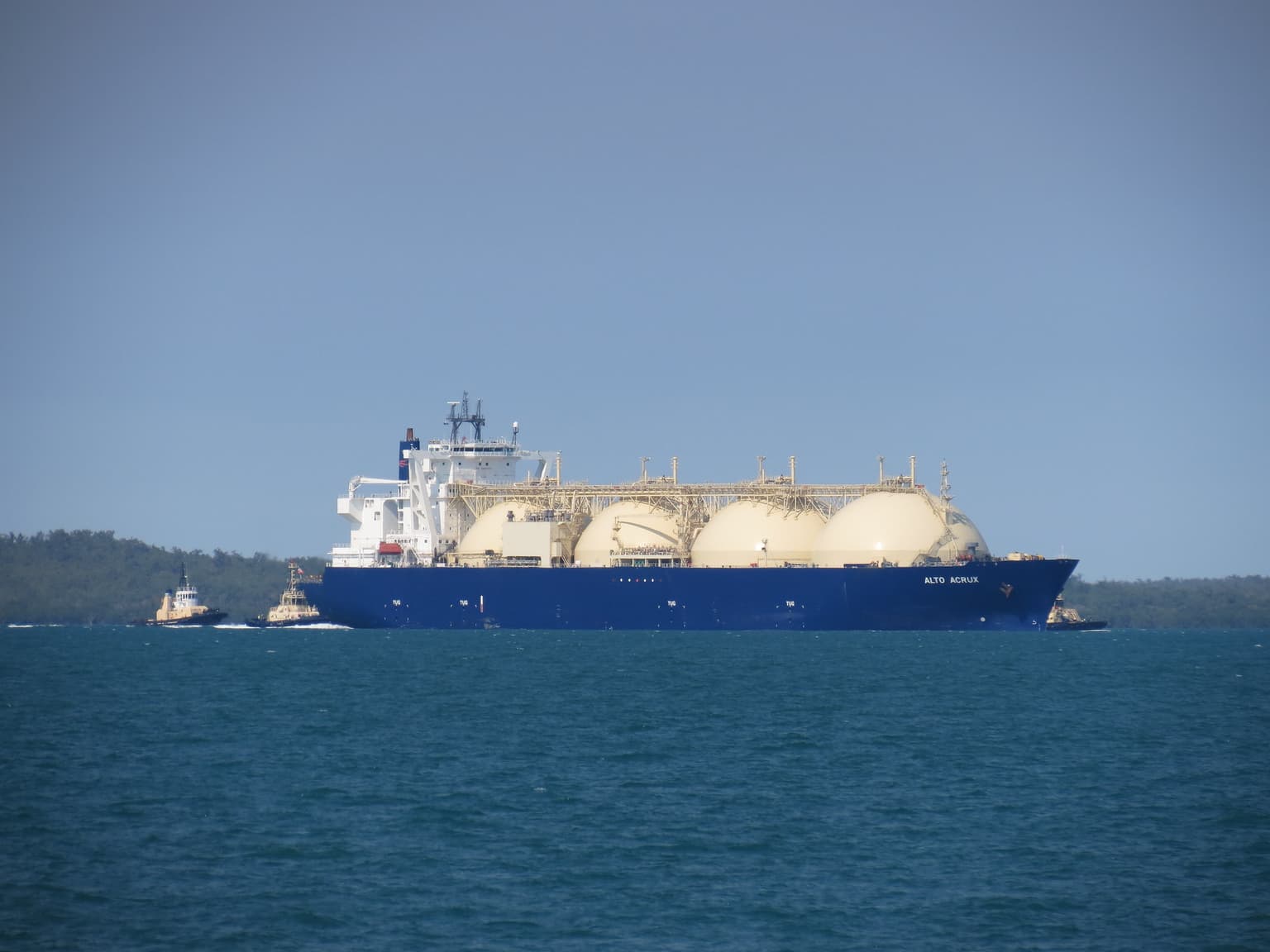
Possible sanctions targeting Russian liquefied natural gas (LNG) have once again come into focus in recent weeks. However, diplomats contacted by Reuters say it could take several weeks to agree on a new sanctions package.
The diplomats said the proposed measures have broad support, including restrictions on Russian liquefied natural gas. However, some countries, including Belgium, Germany and France, have, according to Reuters, asked the European Commission to assess whether restricting the transshipment of Russian LNG at European terminals would have a greater impact on Russia’s economy than on the EU’s.
7. JRC: Which EU countries are best placed to use heat pumps?

While running a heat pump remains relatively expensive in much of Europe, a report by the EU’s official research body identifies three EU countries with ideal conditions for harnessing the economic potential of heat pumps. The main reason is the competitive price of electricity compared with gas. They are Sweden, Bulgaria and Portugal, although each country is able to take advantage of this to a different degree.
The European Commission estimates that more than 80 million heat pumps will be installed across the bloc by 2040. They are considered a key climate-friendly technology for heating and cooling homes.
8. Polish ministry approves plan to build a Rolls-Royce small modular reactor
Poland’s Ministry of Climate and Environment has issued a positive decision on Industria Group’s plan to build a small modular reactor from Rolls-Royce in the country. This is the first government opinion allowing the investor to proceed with obtaining the other necessary permits. The Rolls-Royce SMR small pressurised water reactor, with an electrical capacity of 470 MW, is designed to operate for more than 60 years. The ministry has issued positive decisions for Polish nuclear projects with a combined installed capacity of nearly 10 GW.
British company Rolls-Royce SMR, which is developing small modular reactors, announced that Poland’s Ministry of Climate and Environment had approved the potential construction of its reactor in the country. The application was submitted last December by Polish group Industria, which plans to build a small reactor in the Kostrzyńsko-Słubicka Special Economic Zone. The ministry said its positive decision was based above all on the project being in the public interest and consistent with national energy and climate goals.
9. European companies lower their renewable energy targets
Many European energy companies are lowering their renewable energy targets because of the high costs of financing and construction, as well as low electricity prices. The trend of scaling back and reassessing plans highlights the economic challenges of transitioning the energy sector away from fossil fuels.
A number of major European energy companies have lowered or are reassessing their renewable energy targets because of high financing costs and low electricity prices. These companies include Statkraft, Europe’s largest renewable energy producer; Portuguese energy company EDP; and Danish company Ørsted, the world’s largest offshore wind developer.
10. Slovakia and South Korea discuss cooperation on a new nuclear project
The Slovak Republic is in talks with South Korea, the United States and France about potential cooperation on building a new nuclear unit at Jaslovské Bohunice. The Slovak government aims to prepare detailed proposals by October for the construction of a 1200 MWe nuclear reactor.
Last week, the government approved the construction plan and asked the finance ministry to prepare project documents by the end of October. The plan was approved at a government meeting held last Wednesday, shortly before the attempted assassination of Prime Minister Robert Fico. The assassination attempt raised concerns about the country’s political stability, but the government is continuing to plan strategic projects.
Feature
Billions divided up: eight major projects in coal regions have received grants. Some are raising concerns
Eight projects and nearly nine billion crowns in grants. That is the current state of funding allocated to help coal regions. Another 23 projects, including some that have raised concerns, are awaiting approval. Officials will decide whether to award around eleven billion within the next two months.
Around forty billion crowns in total is at stake. The funding is to be allocated to the Moravian-Silesian, Ústí and Karlovy Vary regions through the Just Transition Operational Programme, helping them shift from coal to a more sustainable development model.
Prices of critical minerals fell sharply last year as China’s dominance persisted
Prices of key minerals used in “clean” technologies, such as lithium, nickel and cobalt, fell sharply in 2023. This is according to data in a new report by the International Energy Agency (IEA), which also highlights the need for greater and more diversified investment to achieve energy and climate goals. Supply chains for these minerals are currently concentrated in a handful of countries, led by China and countries in Latin America.
In 2023, pressure eased in the market for minerals used in electric vehicles, wind turbines, solar panels and other “clean” technologies that are crucial to the energy transition. Alongside lithium, probably the most widely discussed of these minerals, the group includes copper, nickel, cobalt and graphite, among others.
Energostat: electricity generation in Czechia
Energostat: electricity generation in Germany
Translation disclaimer
This article is a machine translation of the Czech original and has not yet been fully reviewed. In case of any doubt, please refer to the Czech version.
Sdílejte článek prostřednictvím:
Topics:Energy Weekly
You might also like

28 October 2026, 13:08

28 October 2026, 11:10

28 October 2026, 09:08
