
25 October 2026, 08:20
Loading...
Top 10 energy stories of the past week
oEnergetice.cz
9 June 2024, 18:34

1. German electricity prices soar to thousands of euros as solar output falls
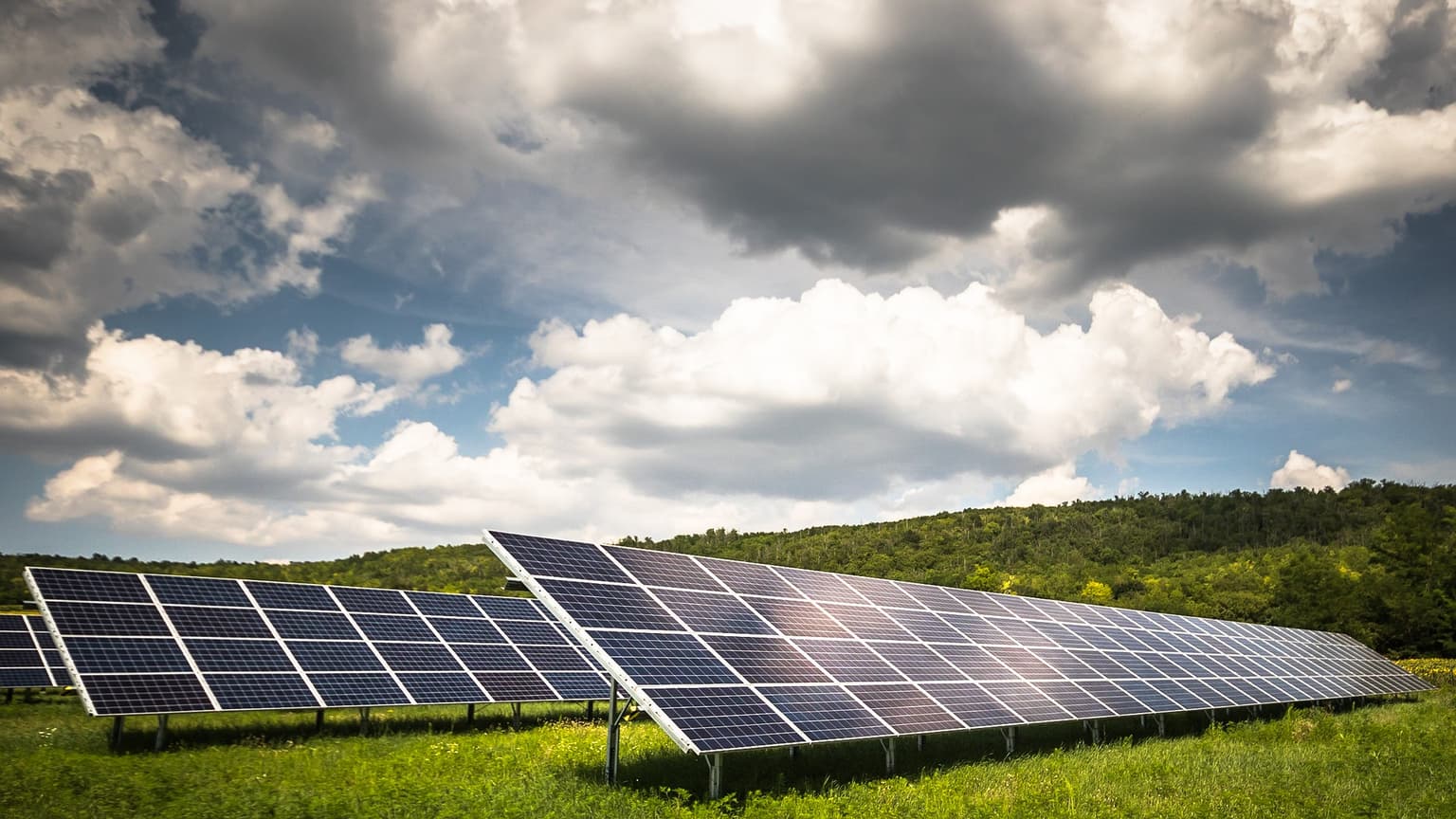
Germany's intraday electricity market experienced a highly volatile day this Monday, with prices climbing to the upper limit. Lower-than-forecast solar photovoltaic output and limited cross-border capacity sent prices as high as EUR 9,999/MWh. On the Czech intraday market, prices rose to a high of around EUR 300/MWh on Monday morning, while the imbalance price reached as much as CZK 20,000.
Although weather forecasts for the following day are relatively accurate, they are not infallible. A significant deviation between actual renewable generation and the original forecast can therefore have a major impact on the market. One of the latest examples came on Monday morning, when a similar situation occurred in Germany. During the morning, intraday market prices reached as high as EUR 9,999/MWh, almost a quarter of a million crowns. This is also the market's maximum price; electricity cannot be traded there at a higher price.
2. US launches its biggest nuclear initiative in five decades

US President Biden's administration has declared its intention to further accelerate the country's nuclear initiative by establishing a Nuclear Power Project Management and Delivery working group. Its aim is to bring together the public and private sectors to implement clean nuclear energy and restore US leadership in the sector.
The working group was established alongside the Summit on Domestic Nuclear Deployment, hosted by the White House on Wednesday, May 29. In a statement after the event, the White House said: “Together, these actions represent the largest sustained push to accelerate civilian nuclear deployment in the United States in nearly five decades.” What steps is the US administration taking to achieve its goals?
3. Minister: E-fuels will be imported from outside the EU, but made using EU CO2

While most e-fuels are expected to be produced outside Europe, where renewable energy will be available on a larger scale, EU rules on the CO2 used in e-fuels could prompt manufacturers to physically transport liquefied carbon dioxide from Europe to production facilities outside the EU. This was pointed out by German Transport Minister Volker Wissing (FDP/Renew).
Hydrogen-based synthetic fuels, known as e-fuels, play a key role in the EU's plans to decarbonise transport. For aviation and maritime transport, the EU has set minimum quotas for “renewable fuels of non-biological origin” (RFNBOs) from 2030 and 2034, respectively, including hydrogen and e-fuels.
4. More frequent negative electricity prices pose a problem for investors

As renewable energy sources expand, negative electricity prices are becoming increasingly common on markets. This phenomenon was virtually nonexistent 20 years ago, but is now occurring more and more often, especially during the warmer months of the year, when solar PV generation rises. Negative electricity prices can therefore be expected to become increasingly frequent in the future.
In 2023, the EU recorded a record number of hours with negative electricity prices. Negative prices occur more often in some countries than others, depending on the amount of installed renewable capacity and the electricity grid. Scandinavia had the highest incidence of negative electricity prices in 2023.
5. Surplus of emission allowances on the market prompts European Commission to withdraw 267 million

The European Commission will withdraw a further 267 million emission allowances from trading. Its annual assessment of the number of allowances has shown that there is a surplus on the market. More precisely, 1.11 billion allowances were in circulation during the year. Emission allowanceswere withdrawn from circulation and placed in the Market Stability Reserve.
Over the weekend, the emissions trading system carried out its annual assessment of the number of allowances in circulation during the previous year. This year, too, the Commission concluded that there was a surplus of allowances in circulation. It therefore decided to withdraw a total of 267 million allowances, around 5 million fewer than in 2023, when 272 million emission allowances were placed in the Market Stability Reserve.
6. Russian oil exports fall to six-month low, mainly due to weaker demand from India

Crude oil exports from Russian ports fell by around a tenth in May compared with the previous month. The sharp decline was driven mainly by weaker demand from India, which has become Russia's largest buyer over the past two years. Increased activity at Russian refineries also played a role, although exports of most refined oil products were likewise at a six-month low.
Seaborne Russian crude exports averaged 3.52 million barrels per day (bpd) in May. According to S&P Global Commodities at Sea data, this was a roughly 10% month-on-month decline from 3.91 million bpd. The drop was driven primarily by lower exports from terminals in the Baltic and Black seas. According to S&P Global, the partial recovery in activity at Russian refineries also contributed to the decline in crude exports. In recent months, the refineries have faced attacks from Ukraine, whose drones are increasingly penetrating Russian territory.
7. EU supergrid: Energy ministers sign declaration on electricity market integration
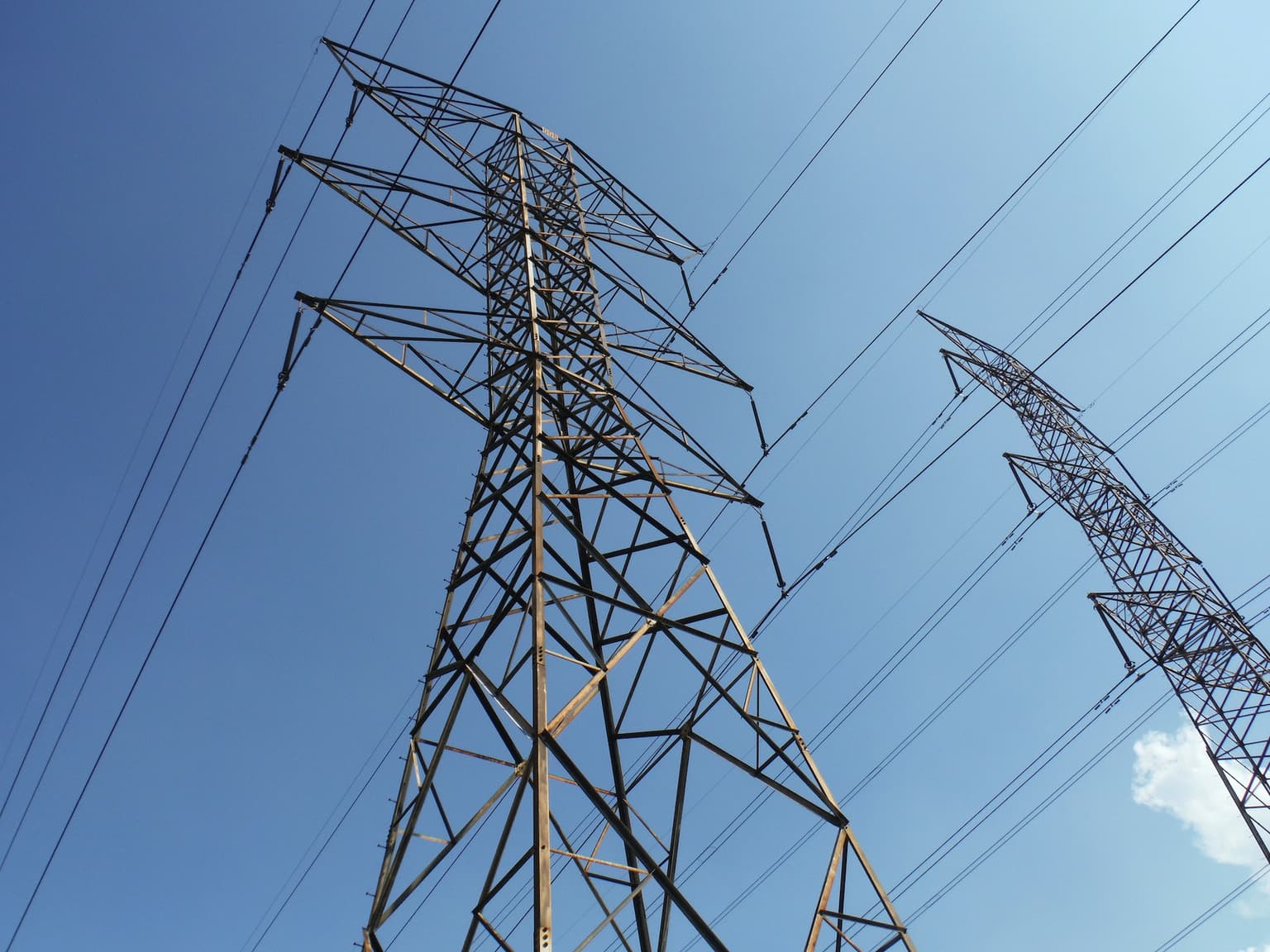
EU energy ministers signed a comprehensive declaration at Thursday's Energy Council meeting, highlighting the need to establish an EU supergrid. The declaration calls for deeper integration of Europe's electricity grid and easier long-term cross-border planning, reports Euractiv.
The ministers signed the declaration at the final Energy Council meeting of Belgium's six-month Council presidency, chaired by Belgian Energy Minister Tinne Van der Straeten. Hungary takes over the Council presidency from Belgium on July 1.
8. German electricity generation falls in first quarter as imports surge
Electricity generation in Germany fell by 7.5 percent year on year in the first quarter to 121.5 billion kilowatt-hours. However, generation from renewable sources increased, raising its share of total production to 58.4 percent from 48.5 percent a year earlier. This was the highest level yet recorded for the first three months of the year, the Federal Statistical Office reported today. Its data also showed that electricity imports into Germany rose by 38.5 percent year on year to 16.8 billion kilowatt-hours, while exports fell by 21.7 percent to 16.7 billion kilowatt-hours.
Renewable electricity generation in Germany increased by 11.6 percent year on year in the first quarter to 71 billion kilowatt-hours. Generation from conventional sources, by contrast, fell by 25.4 percent to 50.5 billion kilowatt-hours. This was mainly due to lower coal-fired generation and the closure of Germany's nuclear power plants. Gas-fired generation also recorded a slight decline.
9. Slovenia estimates cost of new nuclear unit at up to CZK 380 billion
Slovenia is continuing preparations for a new nuclear unit at the Krško power plant. A working group has now published its first estimate of the expected cost of building a unit with a capacity of up to 1,650 MW. The cost could reach as much as EUR 15.4 billion. At the same time, the group has issued guidance on the optimum unit size for grid connection, setting a maximum of 1,300 MW. A referendum on construction of the new unit is expected to be held this year, and the government aims to make a final decision by 2028 so that the unit can begin operating around 2035.
Slovenian energy company GEN energija published the first findings of the working group preparing the new nuclear unit. The economic analysis assumes a unit cost of EUR 9,300/kW (around CZK 230,000/kW), although experts have not yet backed this estimate with any specific offer.
10. Gas instead of coal: District heating plants and other major facilities need to decarbonise quickly

One in two district heating plants burns coal. With emission allowance prices rising and 2033, the year Czechia plans to phase out coal, approaching, many heating plants are looking for more sustainable alternatives. Using natural gas to generate heat has long been seen as the most suitable option: compared with coal, it produces 53% less carbon dioxide emissions and completely eliminates harmful carcinogenic substances released by burning coal. And this is not just an issue for heating plants.
In the Czech Republic, coal still accounts for a significant share of electricity generation and centralised heat supply (around 150 TWh). Czechia's geographical location makes it difficult to make greater use of renewable energy sources such as wind and solar, which are also unsuitable for generating heat and electricity because of seasonal and daily weather-related fluctuations.
Energostat: electricity generation in Czechia
Energostat: electricity generation in Germany
Translation disclaimer
This article is a machine translation of the Czech original and has not yet been fully reviewed. In case of any doubt, please refer to the Czech version.
Sdílejte článek prostřednictvím:
Topics:Energy Weekly
You might also like




23 October 2026, 14:38