Spot electricity prices on the Czech market regularly turn negative over weekends
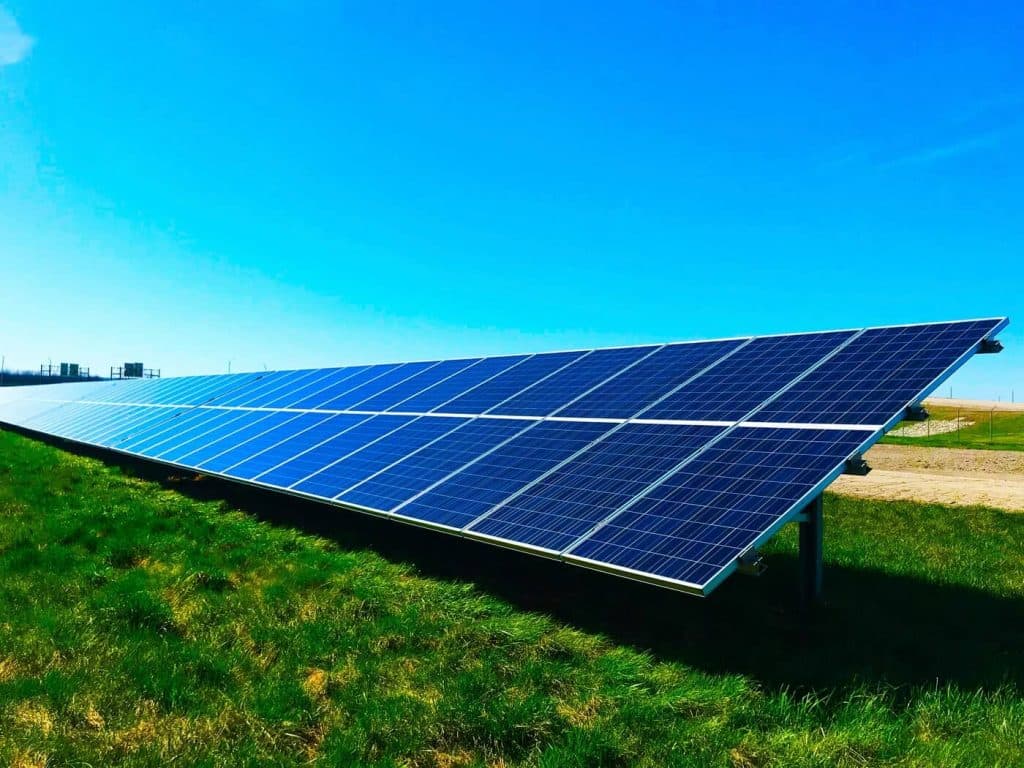
As we previously reported, “free” electricity has occurred on the Czech market with record frequency this year. As of 27 July, negative prices had already appeared 234x on the OTE day-ahead market. One reason for this is lower demand during weekends. Another is the growth in installed capacity of photovoltaic power plants (PV plants). Given the lack of operating support, this could jeopardise their further development and the Czech Republic’s fulfilment of its climate commitments.
Spot electricity prices, particularly on weekends, are now regularly falling into negative territory. This most recently happened last Sunday. The situation is not unique to the Czech Republic; it occurs across all countries with a sufficient number of photovoltaic power plants connected to the grid.
The reason this happens during weekends or holidays is that grid demand is generally lower during these periods. The decline in demand compared with weekdays can be seen in the chart below.
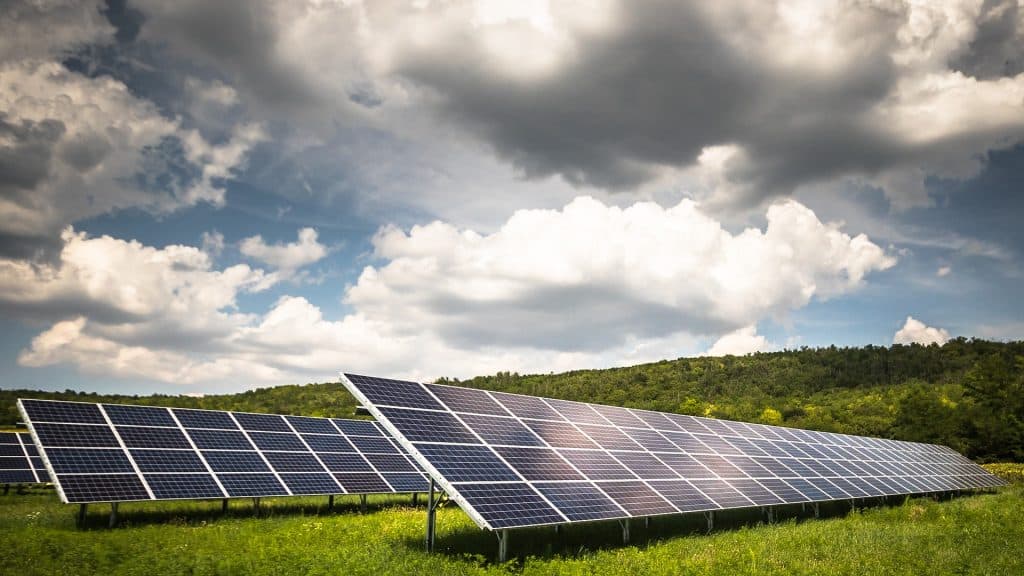
Last year, the increase in installed capacity of new PV plants reached almost 1 GW. Around 83 thousand new installations were added. Their average capacity was therefore approximately 11-12 kWp. This suggests that the installations consisted primarily of small rooftop systems for households or companies. The growth was driven mainly by the energy crisis, which caused an unprecedented increase in energy prices for end consumers.
According to data from the Solar Association, 484 MWp was installed in the first half of this year, a virtually identical figure year on year. A more significant difference is the number of installations, which was almost half as high (more here). Put simply, larger PV plants were installed, although generally still not genuinely large ones. Such projects are needed for the Czech Republic to meet its climate ambitions. Nevertheless, the impact of new small and medium-sized installations is already evident on the market.
The so-called duck curve is becoming increasingly pronounced on the Czech market. The duck curve describes declining grid demand resulting from the growing number of distributed energy resources, particularly PV plants in local conditions. More on the duck curve here.
The duck curve will deepen further as installed PV capacity grows. In other words, the number of negative-price periods will increase. Banking institutions have taken note of the situation and are cautious about providing loans for large photovoltaic projects. While such projects have access to investment support in the Czech Republic, they do not receive operating support. In view of the above, however, projects do not have guaranteed returns, and banks’ conditions are therefore very strict.
It is necessary here to distinguish between smaller and larger installations. Small household or commercial installations can also save end consumers the regulated component of electricity costs (charges linked to the volume transmitted). Their payback period may be around 7 years. Large projects, by contrast, factor in only the commodity price of electricity and work with forward prices rather than historical ones.
Besides operating support, PPAs could provide a solution for large projects. However, these long-term contracts are not yet common in the Czech Republic and are concluded only exceptionally. Selecting a counterparty is not straightforward: contracts are typically signed for 5, 10 or 15 years. The counterparty must be assessed not only on its current condition but also its future prospects, and the question must be asked whether it will be able to meet its obligations throughout the contract term—namely for the aforementioned 5, 10 or 15 years.
A strategic matter for the state is to assess whether the projected growth in capacity of new renewable energy sources is consistent with the market’s actual direction. The question, therefore, is whether the Czech Republic is on track to reach 10,1 GW of installed photovoltaic capacity by 2030, as set out in its National Energy and Climate Plan.