
28 October 2026, 15:10
Loading...
Top 10 energy stories of the past week
oEnergetice.cz
5 May 2024, 16:34

1. Electricity prices plunged deep into negative territory yesterday
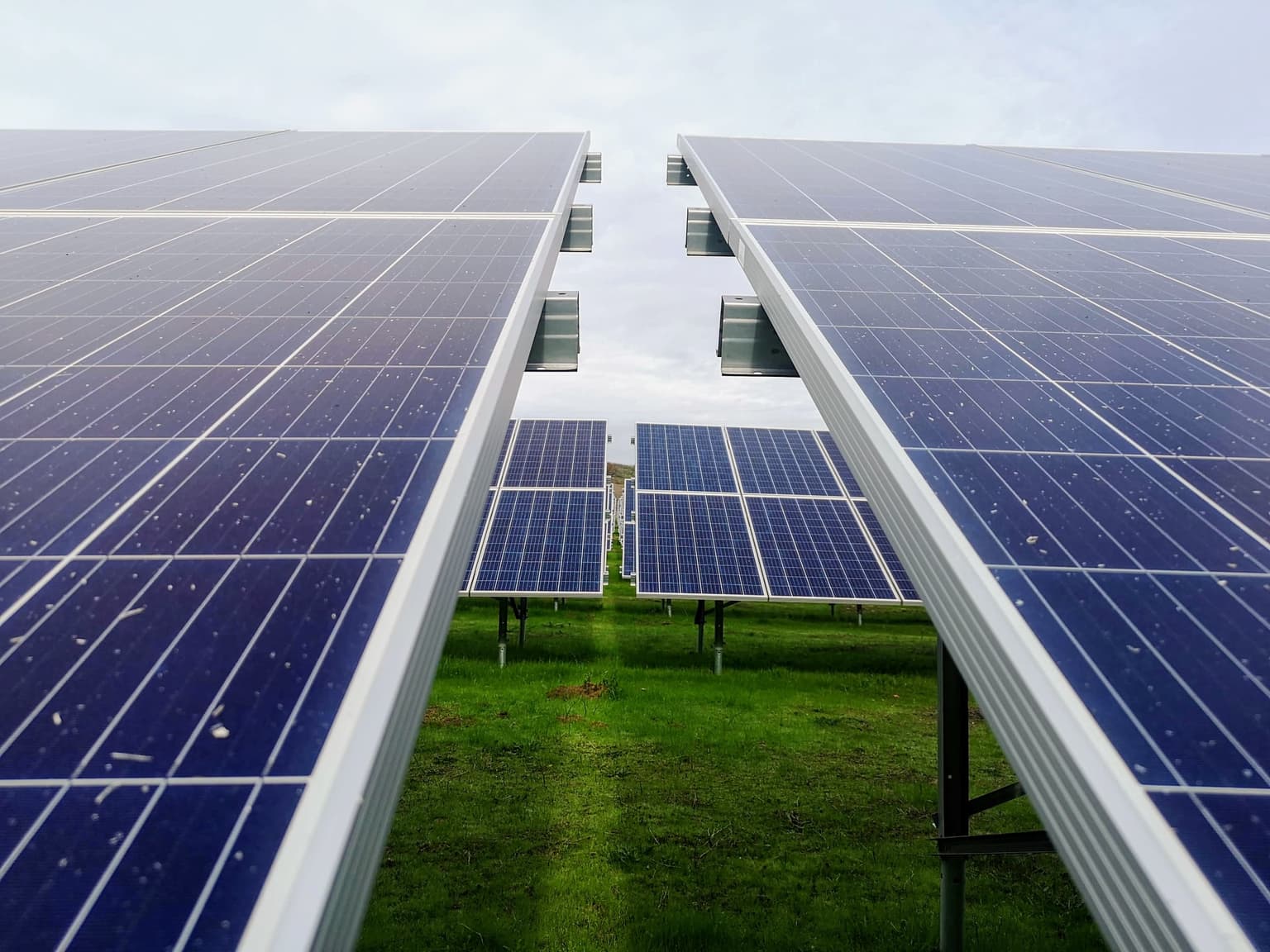
Yesterday's public holiday, observed across almost all of Europe, affected electricity prices on short-term markets as expected. The Dutch market once again saw the sharpest drop, while the Czech market was not far behind. Prices partially recovered as the holiday ended, but they also fell into negative territory for several hours of today's delivery.
The first day of May traditionally puts downward pressure on electricity prices on short-term markets, mainly due to lower demand. Another key factor is rising solar power generation. The combination of these factors helped push electricity prices below -100 EUR/MWh yesterday.
2. Germany scraps binding climate targets for individual sectors, keeping only overall targets
The German parliament approved a controversial reform of key legislation on meeting climate targets, scrapping binding targets for individual sectors. The changes have angered a number of non-governmental organisations, which say they will delay greenhouse gas emissions cuts and are therefore “unconstitutional”.
The government's reform of the Climate Action Act weakens individual ministries' responsibility for reducing greenhouse gas emissions in their sectors by focusing exclusively on the country's overall emissions-reduction ambitions. The governing coalition of the Social Democrats (SPD), the Greens and the Free Democrats (FDP) has a majority in parliament, so approval was expected.
3. Vogtle expansion complete as Unit 4 enters commercial operation
Georgia Power announced the start of commercial operation of the second AP-1000 reactor, which, together with Unit 3, was part of the expansion project at the existing Vogtle plant. The nuclear power plant is now the largest producer of clean energy in the US.
Unit 4 first achieved criticality in February 2024 and was connected to the grid in March. The slightly older Vogtle 3 entered commercial operation in July 2023. They are the first newly built nuclear units in the US in more than 30 years.
4. German gas utilities call for support to shut down the country's gas grid
Germany's VKU association is calling for public funding to finance the planned gradual shutdown of the country's gas grid. The funding would prevent high charges being passed on to customers, whose numbers on the existing network will continue to dwindle, the association says. Clean Energy Wire reported.
The ongoing transition to a climate-neutral energy system in Germany is forcing gas infrastructure operators to decide whether to gradually start dismantling existing infrastructure or convert it to transport hydrogen.
5. Westinghouse advances AP300 to next licensing stage and eyes Czechia as a potential SMR site

Small modular reactors (SMRs) are often cited as an option for developing zero-emission, safe energy sources. Westinghouse has advanced the development of its own AP300 modular reactor to the next stage, officially submitting an application in March to the UK's Department for Energy Security and Net Zero for approval to enter the Generic Design Assessment (GDA). In the US, dialogue with the Nuclear Regulatory Commission (NRC) is underway, and Westinghouse plans to apply for an operating licence in the second half of next year.
The AP300 small modular reactor promises to usher in a new era of nuclear energy. It builds on the foundations of an advanced, proven conventional reactor, making the AP300 SMR the only small modular reactor based on a unit already in operation. The 300 MWe single-loop pressurised water reactor can supply power to as many as 300,000 households. One major advantage is that it can be built on very small sites, requiring less land. It can also be deployed at former coal sites, benefiting local communities that depend on jobs created by energy facilities.
6. Coal phase-out will also affect district heating in the Karlovy Vary Region; SUAS seeks new sources
The winding down and eventual end of brown coal mining will have a major impact on district heating in the Karlovy Vary Region. Much of the region is supplied by coal-fired heating plants, particularly those operated by Sokolovská uhelná. The company must already address how it will ensure heat supplies in the coming years and what it will use to produce heat, Pavel Tomek, chairman of the supervisory boards of Sokolovská uhelná and SUAS Group, told ČTK.
Around 50,000 households in the Karlovy Vary Region are connected to heat sources operated by Sokolovská uhelná, the Tisová power plant and the Vřesová complex. Most are in larger towns with housing estates, where it is not realistic for everyone to switch to individual gas boilers or install heat pumps in the short term.
7. UBS: Norway's oil demand has not fallen despite the boom in electric vehicles
Electric mobility has expanded rapidly in Norway in recent years, partly thanks to very generous government support. Eight in ten newly registered cars were fully electric last year. However, oil demand has not fallen as expected, according to a report on market developments by Swiss bank UBS.
Last year, 82.4% of all new cars sold in Norway were fully electric, up from an EV market share of 79.3% the year before. This year's share is even above 90%, according to the Oilprice website. UBS says, however, that the impact on the country's oil demand has been surprisingly negligible.
8. Bulgaria risks losing EU funds as energy market remains unliberalised
Bulgaria faces a real risk of losing EU funding for its National Recovery and Resilience Plan. With citizens preparing for European and snap parliamentary elections, the country is still hesitating to make the necessary legislative decision amid opposition from coal miners to energy market liberalisation. Instead, the outgoing government approved a subsidy for the state-owned Maritsa Iztok coal mine, Euractiv reported.
Bulgaria is heading for its sixth snap election in the past three years, which may be telling. In the energy sector, the country has been unable to fully liberalise its market in the absence of clear and stable consensus, as became evident last week. The Bulgarian parliament voted to delay liberalisation by at least one year, leaving the country among the last non-liberalised states alongside Malta.
9. Analysts: Funding for Czech nuclear units must be clarified; costs will be higher
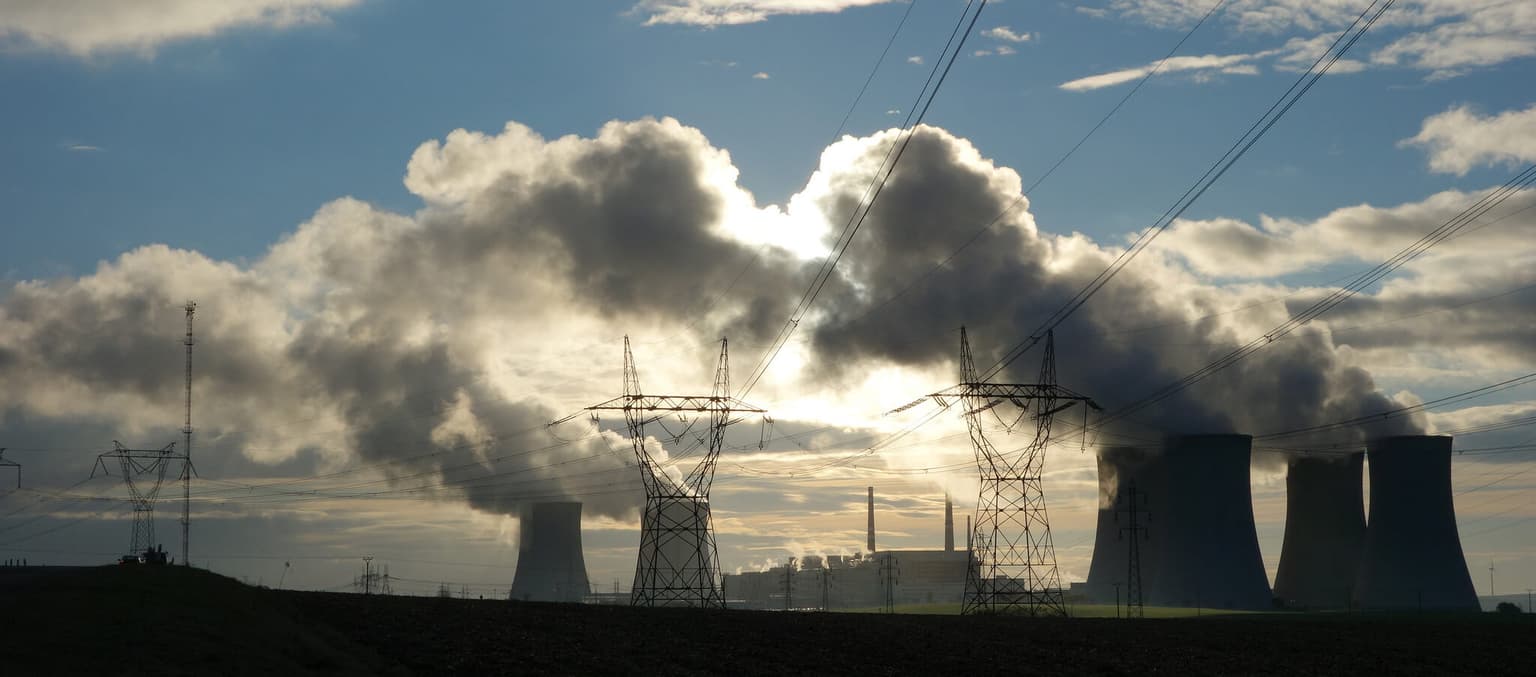
Analysts view the European Commission's approval of state aid and both bidders submitting offers to build multiple nuclear units in Czechia as positive developments for the project. They also warn, however, that the project's financing remains unclear and say the state should resolve the issue as soon as possible. They expect the reactors to cost significantly more than current estimates. Experts contacted by ČTK today agreed on this point.
EDF and KHNP submitted their binding offers to build up to four nuclear reactors in Czechia by this morning. The semi-state-owned company ČEZ, which is overseeing the nuclear tender, will now analyse the offers and submit its assessment to the government in June. The winner of the tender and the number of nuclear units to be built in Czechia in the future are expected to be decided in the summer. The first is due to be completed in 2036.
10. Winners announced in the EU's first hydrogen auction

The European Commission announced on Tuesday the winners of its first auction for subsidies to produce hydrogen. The funding will come from the sale of emissions allowances used in the EU Emissions Trading System. Most of the successful bidders will develop their projects on the Iberian Peninsula.
The European Commission reported that it had awarded almost 720 million euros to seven European renewable hydrogen projects selected in the European Hydrogen Bank's first call for proposals. The funding for the auction comes from revenues generated by the EU Emissions Trading System.
Energostat: electricity generation in Czechia
Energostat: electricity generation in Germany
Translation disclaimer
This article is a machine translation of the Czech original and has not yet been fully reviewed. In case of any doubt, please refer to the Czech version.
Sdílejte článek prostřednictvím:
Topics:Energy Weekly
You might also like

28 October 2026, 13:08

28 October 2026, 11:10

28 October 2026, 09:08
