

1 November 2026, 21:20
Loading...
Top 10 events of 2023
oEnergetice.cz
31 December 2023, 15:36
1. Electricity prices on European spot markets collapsed over the weekend
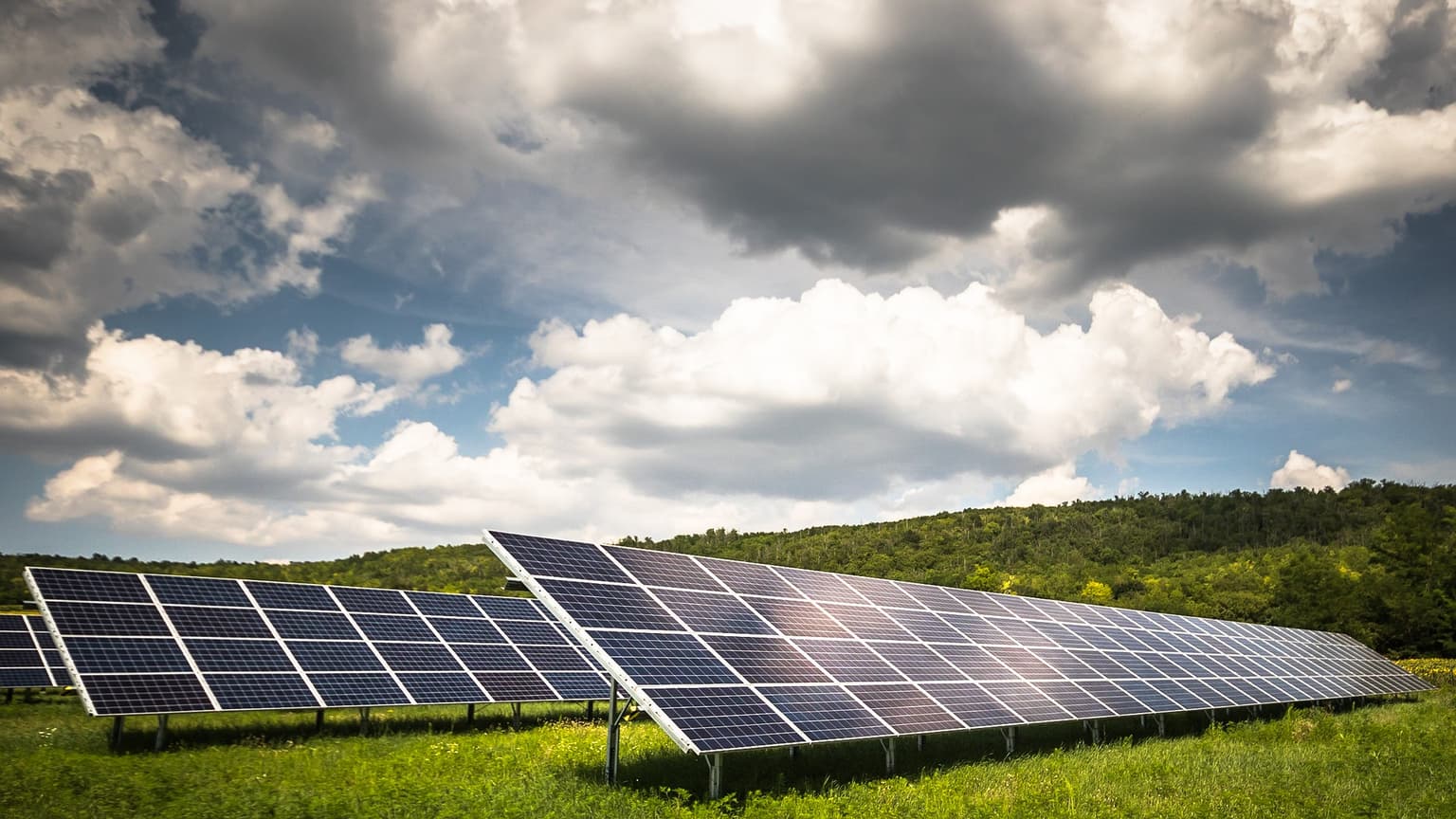
Last weekend, much of Europe experienced sunny and windy weather, which was reflected in spot electricity prices, with prices falling well below zero in some hours. In Germany, prices around midday on Sunday plunged to as low as -500 EUR/MWh, a level not seen on the market for 14 years. Prices also turned negative in Germany on Monday, although stronger demand during the working week prevented a drop as steep as Sunday’s.
European electricity markets have repeatedly seen spot prices fall close to zero around midday at weekends in recent weeks. This is due to a sharp increase in installed solar capacity and lower demand compared with previous years. Last weekend, however, strong output from photovoltaic power plants was accompanied by strong winds.
2. Siemens Energy AG: Problems with our wind turbines are more serious than we thought
Shares in Siemens Energy AG plunged by around 40% at the end of last week after it emerged that problems at its subsidiary Siemens Gamesa, a manufacturer and supplier of wind turbines, are more serious than previously thought. According to Siemens’ revised estimate, quality issues with the turbines could cost more than 1 billion EUR to address, and resolving them will take several years.
Siemens Gamesa is one of the world’s leading manufacturers and suppliers of wind turbines. The company focuses primarily on the EU and US markets and has supplied wind turbines with a total installed capacity of more than 130 GW.
3. EU agrees to ban fossil-fuel boilers from 2040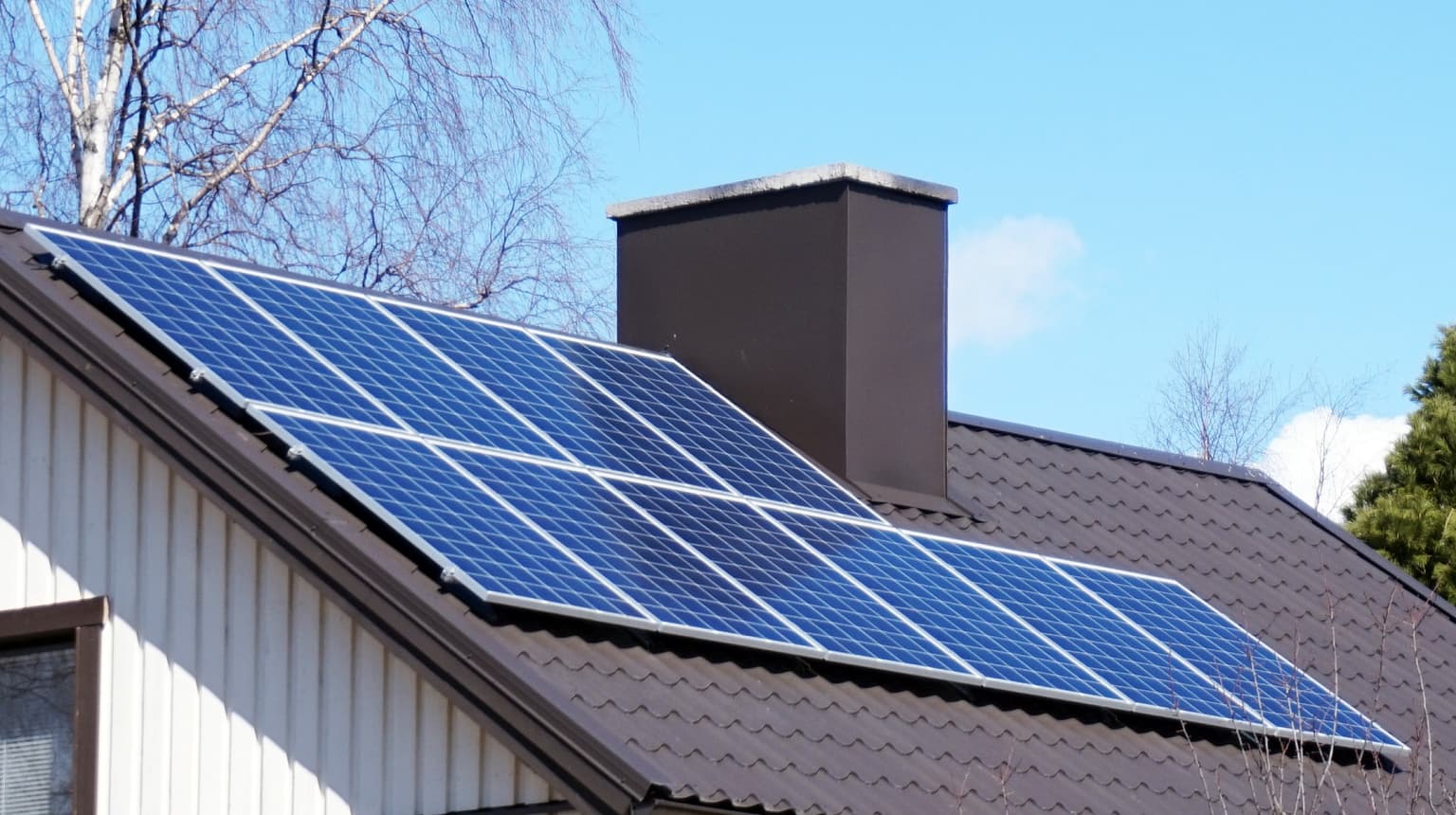
The European Parliament and the Council have reached a political agreement on the Energy Performance of Buildings Directive (EPBD), under which all new buildings will have to have zero emissions from 2030. The agreement also includes a decision to phase out fossil-fuel boilers entirely by 2040 and end subsidies from 2025. Both institutions must now formally approve the agreement, Euractiv reports.
The European Commission presented its proposal for the Energy Performance of Buildings Directive (EPBD) in December 2021 as part of the Fit for 55 package, which aims to achieve climate neutrality by 2050. The proposed directive aims to ensure that all new buildings have zero emissions from 2030 and to renovate existing buildings, particularly those with high emissions.
The European Commission considers it inevitable that the EU as a whole will withdraw from the Energy Charter Treaty. The treaty, which is intended to protect energy-sector investments, has long been at odds with the EU’s shift towards renewable energy.
At the European level, the question is beginning to be considered whether the European Union as a whole can continue to be a signatory to the Energy Charter Treaty. Member states say the treaty is incompatible with the current transformation of the energy sector towards renewables. The most likely option now, therefore, is for the entire European Union to withdraw from the treaty.
5. Orsted halts offshore wind farm projects. Losses run into the billions as shares fall
The offshore wind industry has been going through a difficult period in recent months, as wind farm developers face rising costs. This is affecting their willingness—or unwillingness—to proceed with projects originally planned that are no longer financially viable. This week, two more major projects were halted, this time by Danish company Orsted.
Offshore wind farms are seen as a promising alternative to traditional onshore turbines, primarily because they face less public opposition. In recent years, more and more countries have begun to rely on faster wind power development, including the United States, which lags well behind Europe in this respect.
6. Deposits of “white” hydrogen could meet energy needs for hundreds of years
Hydrogen may exist in abundant deposits underground. Alongside green, blue, grey and pink hydrogen, another alternative is gaining attention. In the village of Bourakébougou in western Mali, it has powered a clean-energy phenomenon for more than a decade. Large sums are now being invested in the search for it. The story was reported by The Guardian and the Wall Street Journal.
Hydrogen is considered part of the solution to the climate crisis by the European Union and other geopolitical actors. There is also considerable discussion about how it could be integrated into countries’ energy systems, and the clean gas is expected to replace fossil fuels in factories, power plants and homes.
7. EU bans Russians from booking capacity in gas storage facilities
Under the European Union’s latest sanctions package against Russia, Russian citizens and companies have been banned from booking capacity in natural gas storage facilities in the EU since Sunday. The EU aims to strengthen the bloc’s energy security with this move.
“Russian entities have sometimes booked capacity in gas storage facilities in the past without using it, blocking EU companies from doing so,” an EU official told reporters on Monday, according to Montel.
8. China announces completion of the world’s second-largest hydropower plant
Over recent decades, China has built a considerable amount of power generation capacity, including coal-fired, renewable and nuclear power. For more than a decade, the country has been home to the world’s largest hydropower plant, the Three Gorges Dam. It has recently completed construction of another huge hydropower plant, which, with a total installed capacity of 16 GW, has become the world’s second-largest.
Construction of the new Baihetan hydropower plant, with sixteen hydroelectric turbines and a total capacity of 16 GW, has been completed, its developer China Three Gorges Corporation said, according to S&P Global. The plant is now the world’s second-largest hydropower plant, after the Three Gorges Dam (22.5 GW), which was also developed by the same company.
Yesterday, the European day-ahead electricity market faced an unusual situation when the auction had to be repeated because of extremely low prices in the Dutch market. The cause was very strong expected output from solar power plants, which the country was unable to export, pushing prices for midday today deep into negative territory. According to analysts, this situation serves as a warning for the coming months, when solar power generation will continue to grow.
Expectations of a substantial electricity surplus around midday today had a major impact on yesterday’s day-ahead trading, with prices in the Dutch market turning negative for six consecutive hours. The auction results were delayed by 90 minutes, according to Montel, because the auction had to be repeated after prices in some hours breached the -150 EUR/MWh floor.
10. Germany had to curtail a quarter of offshore wind generation in the first quarter
In the first three months of this year, around a quarter of Germany’s offshore wind generation was curtailed because of transmission grid constraints. The figure was around 3% of output for onshore wind farms and just under 2% for solar power plants. The information was reported by international news outlet Clean Energy Wire.
The need to curtail electricity generation from renewable energy sources has been a long-standing problem in Germany. The reason is the slow expansion of the transmission grid, which is failing to keep pace with the construction of power plants, particularly wind farms, which are generally located in northern Germany.
Translation disclaimer
This article is a machine translation of the Czech original and has not yet been fully reviewed. In case of any doubt, please refer to the Czech version.
Sdílejte článek prostřednictvím:
Topics:Energy Weekly
You might also like

1 November 2026, 16:09
1 November 2026, 07:59

31 October 2026, 12:55

31 October 2026, 08:21