
20 November 2026, 17:31
Loading...
Top 10 Czech energy stories from the past week
oEnergetice.cz
23 April 2023, 16:27

1. Solar power in the Netherlands drove electricity prices deep into negative territory, forcing a repeat of the day-ahead market auction
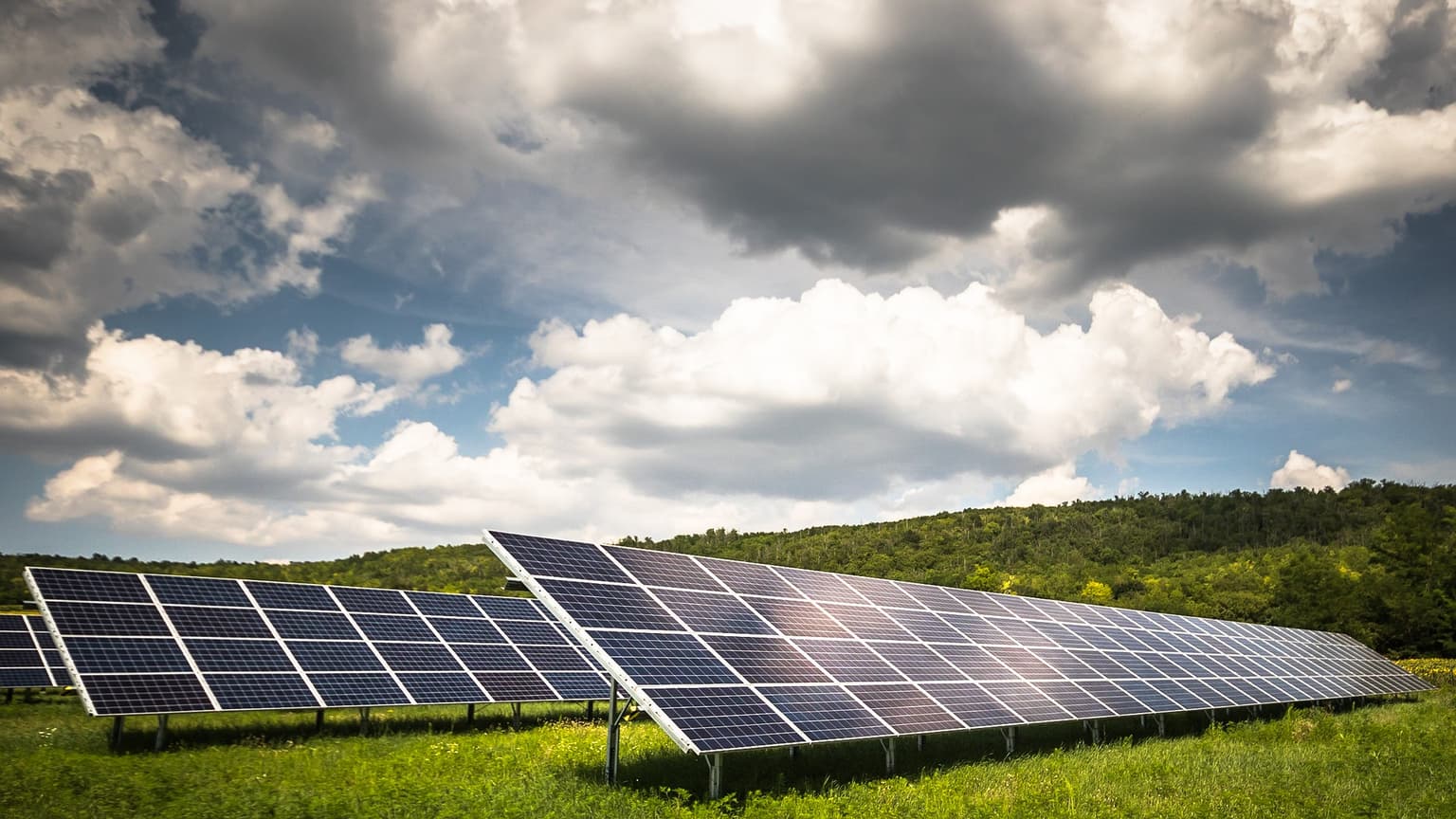
The European day-ahead electricity market faced an unusual situation yesterday, when the auction had to be repeated because of extremely low prices on the Dutch market. The cause was very high expected solar power generation, which the country was unable to export, pushing prices for midday today deep into negative territory. According to analysts, the situation is a warning for the coming months, when solar power generation will continue to grow. Expectations of a large electricity surplus around midday today had a major impact on trading in yesterday’s day-ahead market, with electricity prices on the Dutch market falling into negative territory for six consecutive hours. The publication of the auction results was delayed by 90 minutes, according to Montel, because the auction had to be repeated after prices in some hours breached the -150 EUR/MWh threshold.
2. Gas stocks are at record levels. The situation could lead to insufficient gas supply in the future
Thanks to relatively warm weather, increased LNG deliveries and lower demand, Europe ended the winter season with record-high gas stocks. They are now above the average for the past five years. Less gas will therefore need to be injected into storage over the coming months, which could affect subsequent market developments. EU gas storage levels stood at 625 TWh on 1 April, equivalent to 55% of storage capacity and more than double the level recorded in April last year. This is also more than half of the total 1,129 TWh of available storage capacity.3. Bavaria seeks mandate to keep its nuclear power plant operating

Markus Söder, Bavaria’s minister-president, is campaigning for Germany to be allowed to use nuclear power beyond the statutory deadline for shutting down its nuclear power plants. He told the Bild newspaper at the weekend that he wants federal states to be given the option of continuing to operate nuclear power plants under their own responsibility. Söder said Bavaria wants to operate the Isar 2 power plant independently in the future and keep it running until the end of the decade. Söder has the backing of his party, the Christian Social Union (CSU), and Friedrich Merz, leader of its sister party, the Christian Democratic Union (CDU), is open to the idea, calling the proposal “open for discussion.”
4. EU to launch first round of joint gas purchases, seeking stable supplies at lower prices

The first call for companies to submit requests to buy natural gas through joint EU purchases will take place next week. Companies from EU member states and Energy Community countries can submit requests on the AggregateEU platform. Joint gas purchases will be carried out under an emergency regulation adopted last year. One of the main aims is to increase bargaining power by aggregating demand. The first call for joint gas purchases for the EU and other European countries will open on 25 April, according to a press release published by the European Commission. Demand will be aggregated through the AggregateEU service, operated by PRISMA. PRISMA, a European platform for trading capacity in gas infrastructure, won the tender to create the joint purchasing platform.
5. Distributors: Number of connected solar power plants multiplied over the quarter
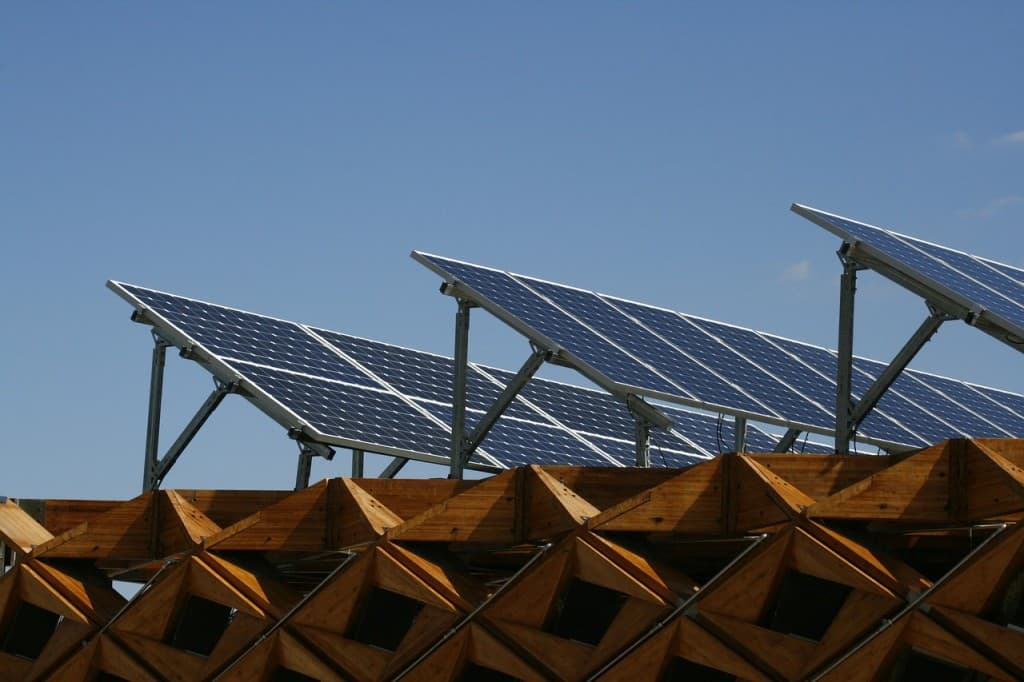
The number of newly connected solar power plants in the Czech grid continues to grow at a record pace. Distribution companies recorded a several-fold increase in the number of new plants connected to the grid in the first quarter, and the figure is likely to keep rising. There are even more connection requests, but the grid’s limited capacity and the technical unreadiness of installed equipment are also causing problems. This is according to information provided by distribution companies to the Czech News Agency. The largest distribution company, ČEZ Distribuce, connected more than 15,000 new solar power plants to the grid in the first three months of this year. This brings it close to last year’s total, when the company connected more than 21,000. “We are currently connecting around 5,000 solar power plants a month,” spokesperson Soňa Holingerová said.
6. Expert: State, not owners, should ensure energy-inefficient buildings are renovated

The European Parliament adopted a proposal to speed up renovations and reduce energy consumption and greenhouse gas emissions. Some Czech politicians dislike the proposal’s wording, and energy-efficient construction expert Petr Holub agrees with them. He says that member states, not building owners, must be responsible for meeting the directive’s targets for mandatory renovation of old, energy-intensive buildings. All new buildings should have zero emissions from 2028, while the deadline for new buildings used, operated or owned by public authorities is 2026. All new buildings should be equipped with solar technologies by 2028, where technically suitable and economically feasible, while residential buildings undergoing major renovation have until 2032.
7. Overshoot Day: Czechia has already used up its annual natural resources in April

Czechia reached its “Overshoot Day” last week. The statistic sets the date each year when humanity’s demand for natural resources exceeds the amount the Earth can regenerate in that year. The Earth Overshoot Day initiative set the global date for 2022 at 28 July. For Czechia, which ranks poorly among countries, the day falls as early as 12 April.
8. Hungary to continue developing nuclear power with Russia and Belarus
Hungary has agreed with Russia’s Rosatom on an amendment to the contract for the completion of the Paks II nuclear power plant. Under current plans, two new VVER-1200 units are due to be built at the plant within ten years. Hungary has also signed a memorandum of understanding with Belarus on exchanging information and experience regarding the construction of Russian-designed units. Hungarian Foreign Minister Peter Szijjarto concluded two major agreements on the development of nuclear power in the country last week. During a visit to Moscow, he first agreed an amendment with Rosatom to the original 2014 contract for the construction and financing of the Paks II nuclear project. The contract update, for which no further details have been published, will still require approval from the European Commission.9. Germany without nuclear power: Energy industry highlights need for new gas plants
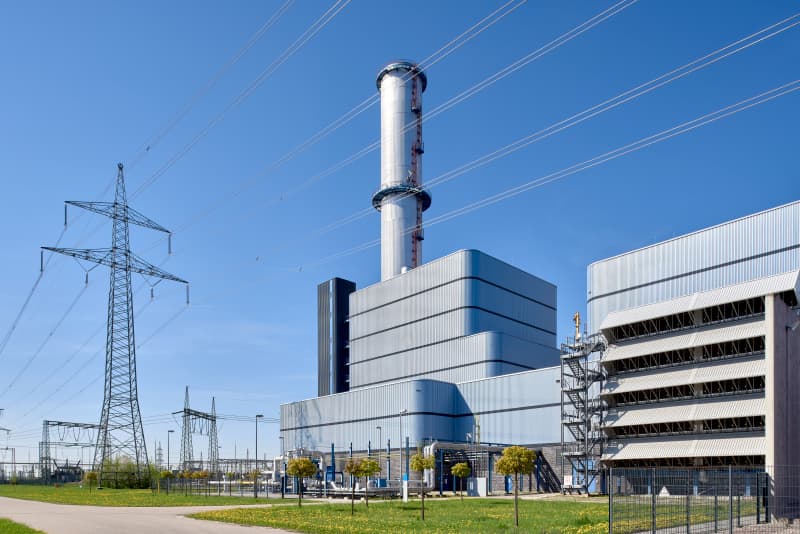
The closure of Germany’s last three nuclear power plants at the end of last week is being used by figures from the energy sector to highlight the need to ensure sufficient capacity in the German power grid. Calls are being made both to speed up construction of new gas-fired power plants and to bring more coal-fired power plants into reserve. According to the German Association of Energy and Water Industries (BDEW), construction of new gas-fired power plants needs to begin to ensure security of electricity supply.
10. Lithium prices fall sharply after two years. The decline is not threatening new mining projects and is reducing EV production costs
According to Benchmark Mineral Intelligence, the price of lithium carbonate has fallen by more than 65% since January, following two years of sharp increases. Prices are also falling for other metals used in batteries, such as cobalt and nickel. Mining companies are not concerned by the decline, however, and continue to expect healthy profits, as demand is growing steadily, particularly due to the expansion of electric mobility. Lithium prices have fallen by more than half since November, with the decline accelerating further in recent weeks. The price has dropped since the end of last year amid weak demand for electric vehicles in China, the world’s largest market. Many analysts point to the removal of subsidies for electric vehicles in this context.In focus
Want cheaper electricity? We can have it: the wind blows and the sun shines here too
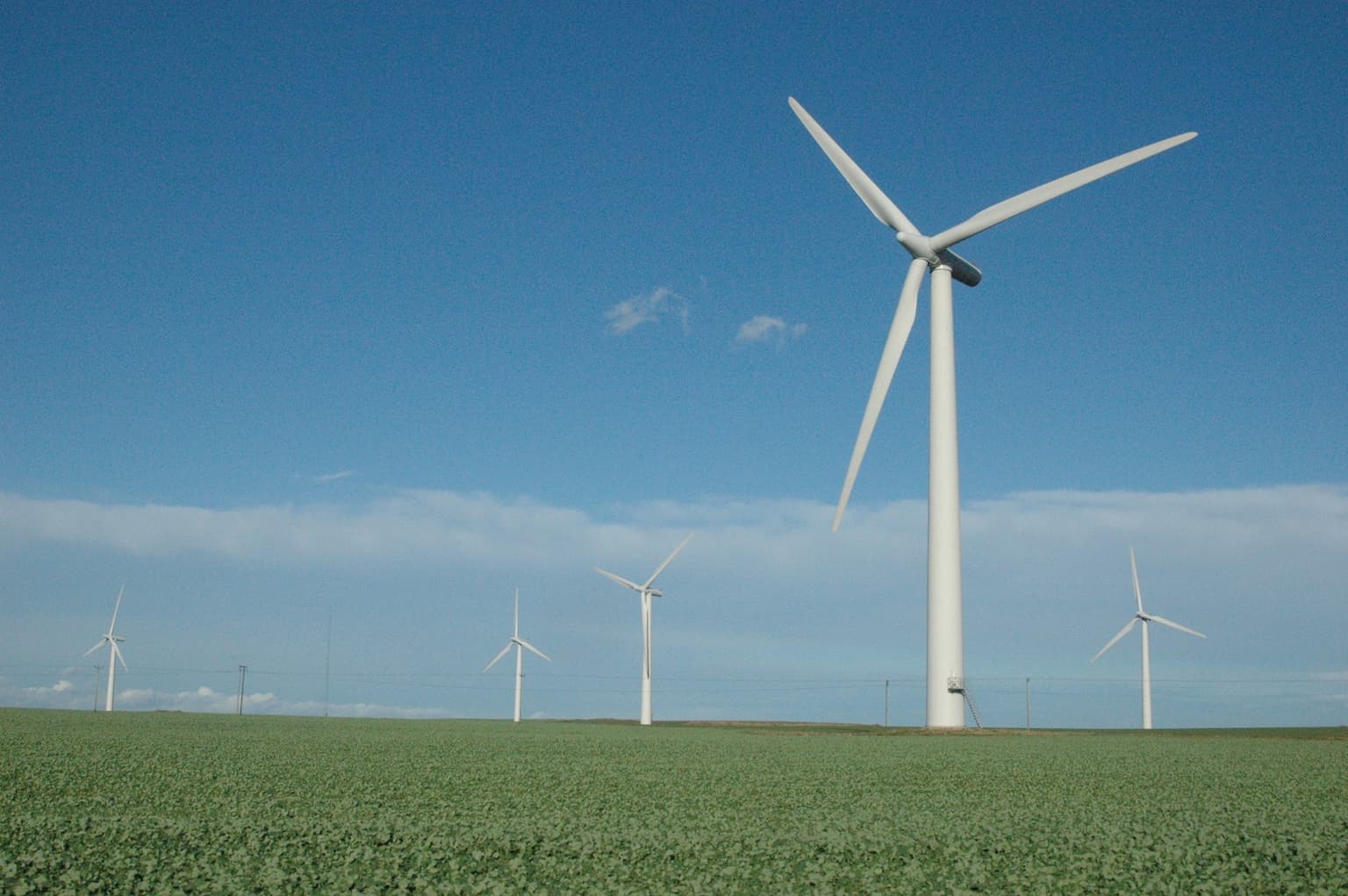
We need to build more renewable energy sources in the Czech Republic. There are three main reasons: cost, the competitive position of Czech industry and, last but not least, security. Czech energy simply has to change, for entirely pragmatic reasons. We want affordable energy so we do not have to pay too much for it. We want to maintain the competitiveness of Czech industry. And we want energy supplies secured by reliable sources, so that we do not have to fear another energy crisis like the one caused by Putin’s war in Ukraine. Renewable energy sources meet all these needs.
Study: Three-quarters of state buildings are energy-inefficient, and the government could save money

Three-quarters of state buildings are energy-inefficient, and the state could save up to 20 billion korunas a year on energy costs at current prices by operating them more efficiently. This is according to a study by Deloitte. Experts are therefore calling for an interministerial working committee to be set up to address the creation of an energy-efficient state by removing administrative barriers, the Modern Energy Union said. Central government institutions own 770 buildings, 572 of which are energy-inefficient under EU rules. According to experts, buildings and their operation consume about 40% of all energy.
Energostat: electricity generation in the Czech Republic
Energostat: electricity generation in Germany
Translation disclaimer
This article is a machine translation of the Czech original and has not yet been fully reviewed. In case of any doubt, please refer to the Czech version.
The article continues for subscribers
Premium content
The rest of this article is available to premium subscribers only. Get access to all premium articles on oEnergetice.cz.
Best value: annual subscription
Monthly option 4 € / month
3.25 €/ month
Topics:Energy Weekly
You might also like
20 November 2026, 10:58
20 November 2026, 10:19
20 November 2026, 06:51
