Top 10 energy stories from the past week

This week, we once again bring you a carefully selected list of the ten most important articles we published on oEnergetice.cz. If you missed any of them, here is a selection of the stories that caught our readers’ attention the most. Good luck in the week ahead!
1. China completes final sections of Power of Siberia pipeline, paving the way for more Russian gas
China announced at the start of the week that it had completed the final sections of the Power of Siberia pipeline, which carries Russian gas to the country. Natural gas from Russia can now flow as far as provinces on China’s eastern coast. Completing the final sections should also allow the pipeline to operate at full capacity, or around 38 billion cubic metres a year.
Russian natural gas exports have fallen in recent years, alongside the loss of most gas supplies to Europe. China offers some scope to increase exports, although the Power of Siberia pipeline uses different gas fields from those that previously supplied Europe. China has now announced the completion of the final 167-kilometre section, which connects the eastern province of Jiangsu, according to Reuters. This should allow supplies to increase further from next year.
Read the full article HERE.
2. Natural gas stocks are falling at their fastest pace since 2016
Natural gas stocks in Europe are falling at their fastest pace since 2016 as a result of cold weather and low renewable energy output. Both spot prices and futures prices for summer 2025, when storage facilities will be refilled, are rising in response.
Cold weather is driving up natural gas consumption for heating. Low output from renewable energy sources in Europe has also increased natural gas consumption for power generation.
Read the full article HERE.
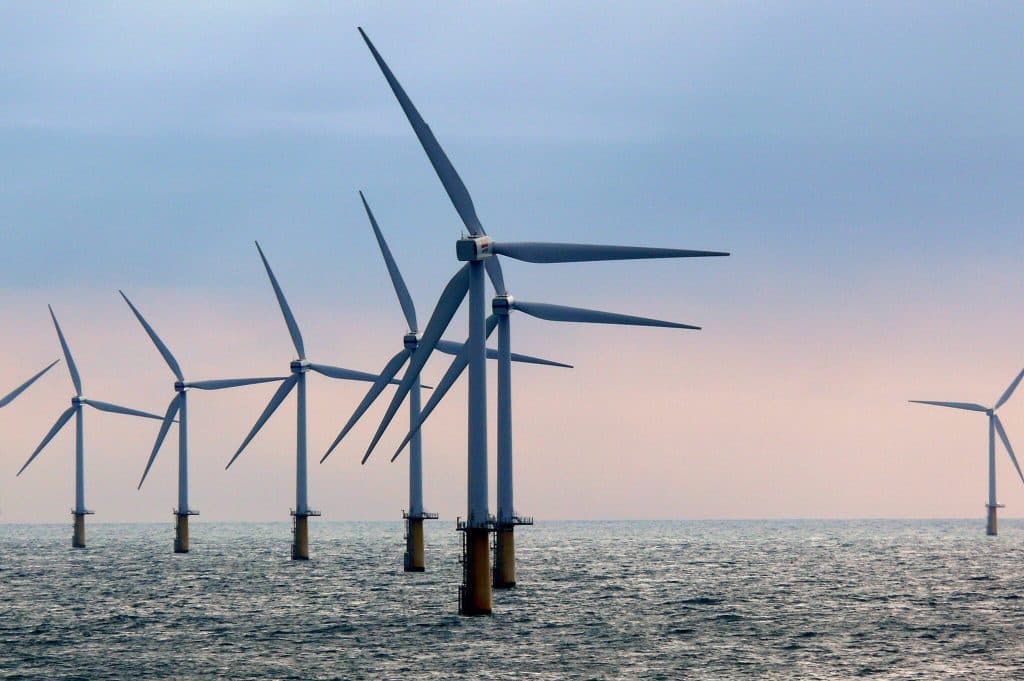
3. After major success with wind power, Sweden is now struggling with its slowdown
Sweden’s wind power sector could become a victim of its own success. The country has one of the cleanest power systems in the world and relies almost entirely on hydropower, nuclear power and wind power. But with demand expected to grow, it needs additional sources. There are already so many wind turbines that the price of the electricity they generate is continually falling, holding back further investment in renewables, Bloomberg reported today.
Wind power now accounts for nearly a quarter of the country’s total energy production. But the construction of thousands of wind turbines over the past two decades has resulted in so much energy being available that electricity prices are increasingly falling below zero, both for individual hours and entire days. Prices are expected to remain very low for several years. Low energy prices offer little return, discouraging investors from supporting new renewable energy projects in the country. Doubts are also growing about future demand, as several energy-intensive green megaprojects in the north of the country are being delayed or cancelled altogether.
Read the full article HERE.
4. Spot electricity prices jump by half, leaving households on monthly and spot tariffs to pay more
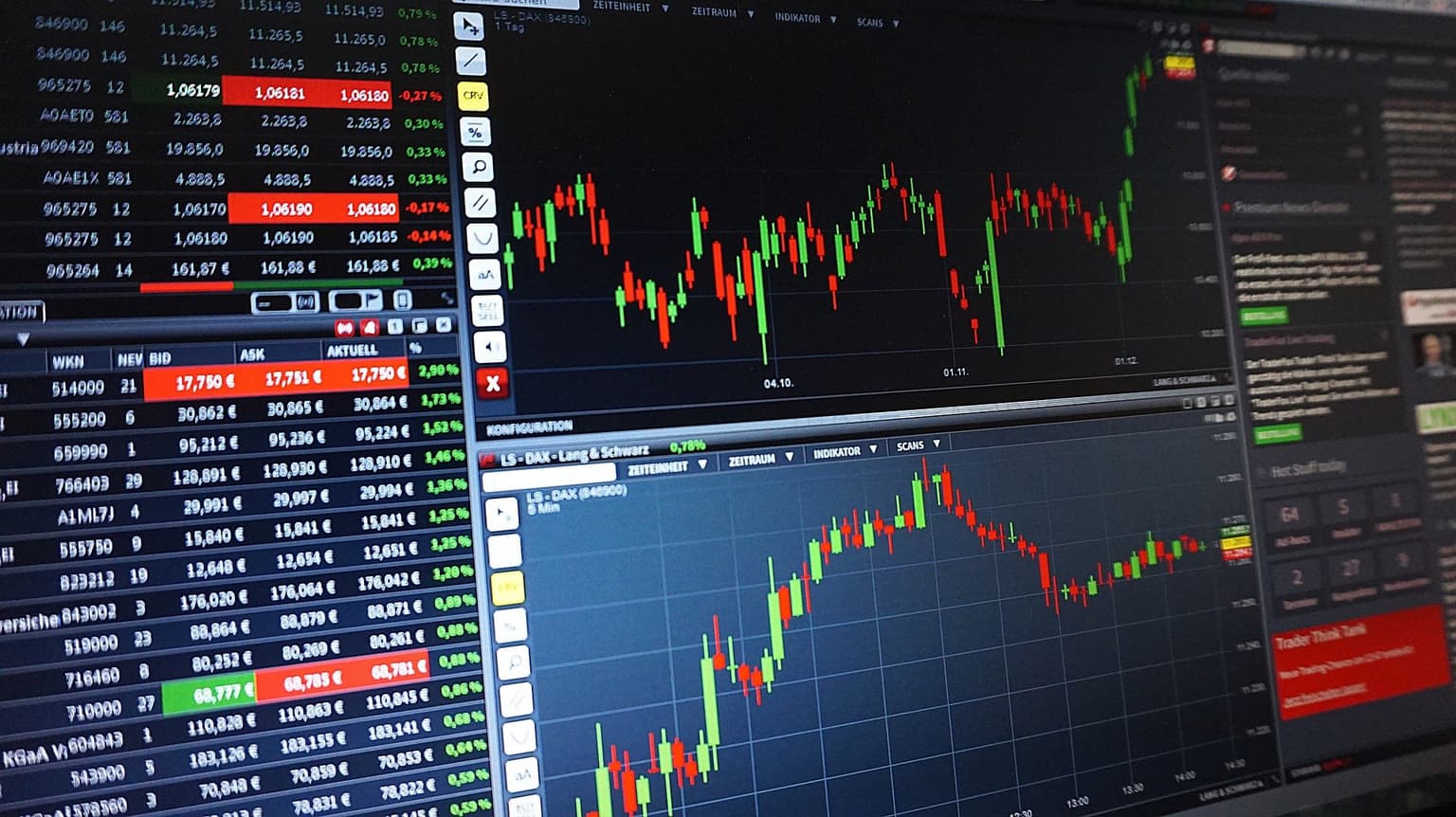
Spot electricity prices on the Czech spot market rose significantly in November. The weighted average price climbed by almost half compared with the previous month, to 138 EUR/MWh. This is by far the highest monthly price this year. Electricity prices are responding to uncertainty in global commodity markets, particularly those for natural gas.
With winter approaching, Europe’s energy sector is once again showing how vulnerable it can still be. Several negative developments affecting wholesale natural gas prices were followed by a rise in electricity prices.
Read the full article HERE.
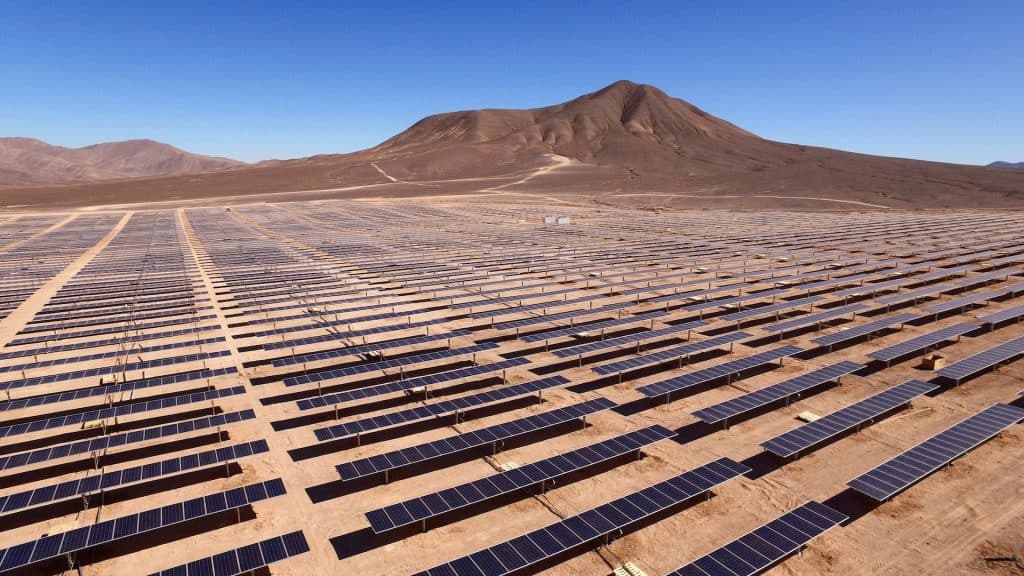
5. Surge in negative electricity prices could slow further solar growth in Europe
Europe has seen another strong boom in solar photovoltaic installations in recent years, accelerated in part by the energy crisis. But as the number of solar installations grows, so does the number of hours when electricity prices on spot markets fall into negative territory. While some consumers can benefit from this trend, it undermines the returns on new power sources. The CEO of the SolarPower Europe association says the current solar boom in Europe is unsustainable and demand for new solar installations will slow.
Solar power has boomed in Europe over the past three years. According to Walburga Hemetsberger, chief executive of SolarPower Europe, installations grew by 50% year on year during this period. Such rapid growth in solar power naturally also affects wholesale electricity prices, particularly on spot markets.
Read the full article HERE.
6. ETS 2 carbon allowance prices could nearly double in the first 3 years

Carbon allowance prices under the new emissions trading system for buildings, road transport and small industry (EU ETS 2) could rise by more than 90% in the first three years after it is scheduled to launch in 2027. Montel reported, citing an analysis by consulting firm ClearBlue Markets.
The decision to expand the existing European Union Emissions Trading System (EU ETS), which covers, among other things, large combustion plants with a rated thermal input of more than 20 MWt, was made in 2023. The system is due to launch in 2027, with emissions monitoring and reporting starting in 2025. The European Commission has set the maximum amount of CO2 emissions (the cap) that can be produced under the system in 2027 at around one billion tonnes.
Read the full article HERE.
7. Czechia bets big on wind power: ministry to launch auctions supporting 1,000 MW
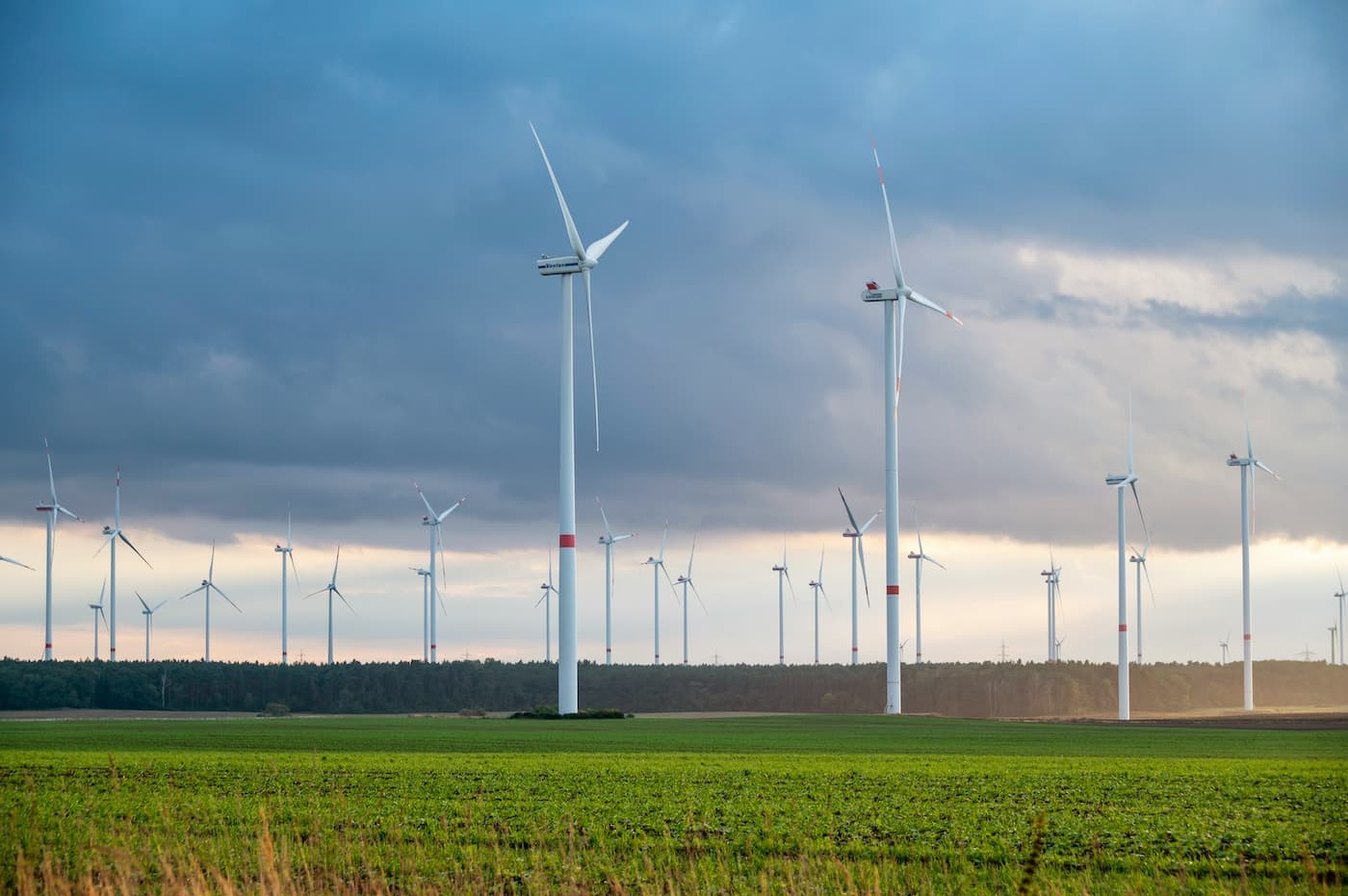
The Ministry of Industry and Trade has finalised and submitted for government approval a regulation setting the amount of installed capacity that will be eligible for operating support over the next three years. Solar power plants will continue to be excluded from operating support, while wind farms will see a significant increase. A total of 335 MW of new installed capacity is to receive support each year for the next three years—equivalent to the amount currently installed in Czechia. Over the three years, the state will therefore support the construction of wind farms with the capacity of one unit at the Temelín nuclear power plant.
After around a year and a half, the Ministry of Industry and Trade has revised its long-awaited draft amendment to the regulation on defining the development of supported energy sources. The regulation is crucial for the renewables sector because it sets how much installed capacity can receive operating support over the next three years, either through auctions or, for smaller sources, in the form of green bonuses.
Read the full article HERE.
8 New Paks II reactor receives key permit for first concrete pour
Hungarian Minister of Foreign Affairs and Trade Péter Szijjártó announced that the first concrete pour for the new Paks II nuclear unit will take place in early 2025. The step follows approval of the preliminary safety report by the National Atomic Energy Authority.
According to Szijjártó, approval of the report is one of the project’s most important milestones. The 500,000-page document meets the standards of the International Atomic Energy Agency (IAEA). Once the first concrete is poured, the site will officially be classified as a nuclear facility under construction.
Read the full article HERE.
9. Collapse of German government could slow coal phase-out

Germany may have to rethink its ambitious plans for an accelerated phase-out of coal-fired power plants, set out by the coalition government. Energy analysts at Montel describe the proposed timetable as unrealistic, primarily because new generation capacity is being developed too slowly. The situation is further complicated by political uncertainty following the collapse of the government.
Germany aims to phase out coal-fired power generation by 2038 at the latest, while Olaf Scholz’s government planned to bring that deadline forward to 2030. Optimism was driven particularly by the rapid closure of coal-fired plants, mainly for economic reasons.
Read the full article HERE.
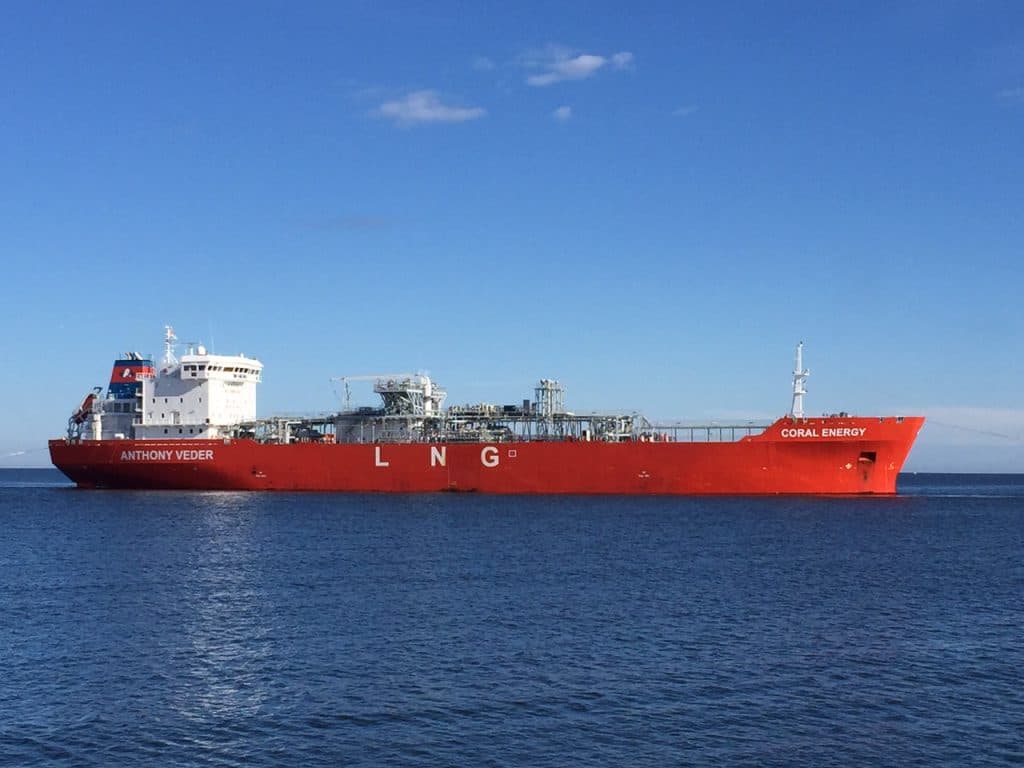
10. Europe still faces the challenge of dependence on Russian gas
Europe’s shift away from Russian gas imports after Russia’s invasion of Ukraine is not going smoothly. A ban on imports of the commodity from Russia, including LNG, could have a significant impact on gas availability in Europe and, consequently, on prices, many believe. However, Donald Trump’s plans to lift the ban on approving new LNG export terminals could ease conditions in the LNG market.
If imports of Russian liquefied natural gas (LNG) are banned, Europe’s gas supply situation will be “extremely challenging” given the tight global market for the fuel, said Alvaro Baillo, deputy head of natural gas and LNG at Axpo Iberia, on Thursday. It is unclear how the EU could gradually stop importing Russian gas by 2027, Baillo added.
Read the full article HERE.
Feature
Sun and wind from Africa: how the world’s longest subsea cable will link Morocco and Britain
A subsea cable connection from Morocco, set to supply up to 8% of the UK’s total electricity consumption by harnessing the North African country’s huge renewable energy potential, is not science fiction but a real plan by British company Xlinks. A “near-constant” supply of clean electricity could start powering the island nation as early as 2030, executive chairman Dave Lewis told The Guardian.
The plan for the world’s longest subsea power link involves a 4,000-kilometre cable comprising two independent circuits, each with separate positive and negative cables, and a total transmission capacity of 3.6 GW. Electricity will be transmitted using a high-voltage direct current (HVDC) system.
Read the full article HERE.
Report: how France’s Framatome is preparing for a nuclear renaissance
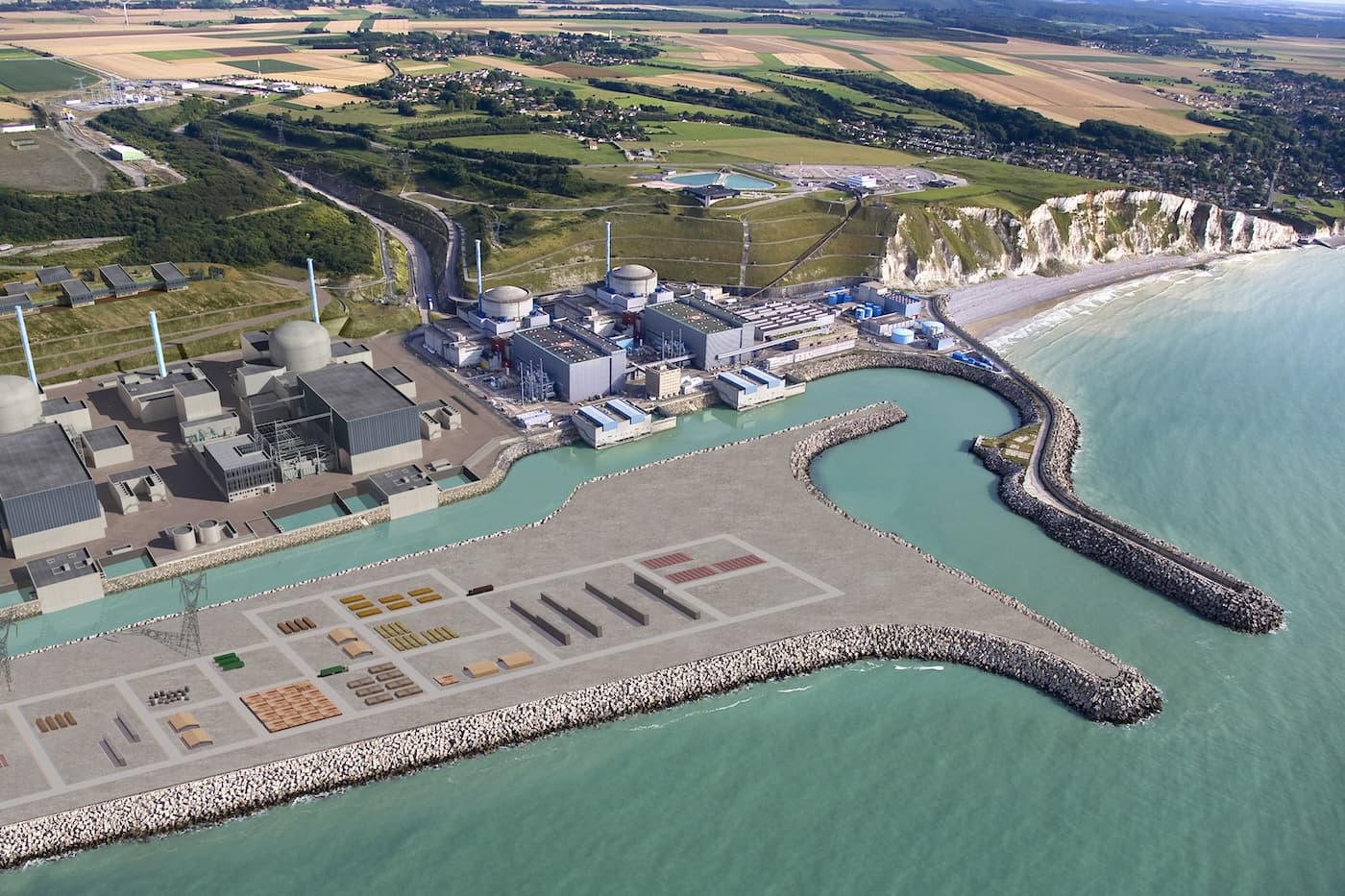
EDF, the world’s largest nuclear power plant operator, is trying to ramp up production of new reactors at an unprecedented pace. The challenge is forcing its subsidiary Framatome to rethink its existing manufacturing processes. We bring you a report from French magazine L’Usine Nouvelle, taking you behind the scenes of this transformation.
At the Saint-Marcel plant, around a hundred kilometres north of Lyon, EDF subsidiary Framatome assembles 25-metre-high steam generators and reactor vessels for both older pressurised water reactors and new EPR reactors. Stéphane Ecoffey, technical manager of the plant capacity expansion project, stands in front of a large table displaying plastic models of all the components of a steam generator. “We analysed the processes in detail and ultimately defined thirty stages in the steam generator production cycle,” he explains.
Read the full article HERE.
Energostat: electricity generation in Czechia
Energostat: electricity generation in Germany
Find more up-to-date charts and data on Energostat
Translation disclaimer
This article is a machine translation of the Czech original and has not yet been fully reviewed. In case of any doubt, please refer to the Czech version.