
25 October 2026, 08:20
Loading...
Top 10 energy stories from the past week
oEnergetice.cz
11 August 2024, 17:14
1. Slovakia and Hungary reject alternatives: They want oil only from Lukoil

In recent days, Slovakia and Hungary have been trying to resolve a problem with the transit of Russian oil through Ukraine. Both countries have turned to the European Commission with an urgent request to resolve the issue. The Commission responded by proposing an alternative route for transporting oil via Croatia, to which Slovakia and Hungary replied that the coastal country was an unreliable transit route for oil.
Supplies from Russia’s largest oil exporter, Lukoil, via Ukraine were halted in July after Ukrainian authorities banned Lukoil from using the Druzhba pipeline, which connects Russia with Eastern Europe. Hungary and Slovakia responded by asking the European Commission to take active steps to safeguard the security of their energy supplies.
2. Czechia is strengthening its independence from Russian oil: what is the current situation?

In recent days, media reports have highlighted problems with Russian oil supplies to Hungary and Slovakia via the southern branch of the Druzhba pipeline. At the same time, MERO ČR announced an expansion of the Transalpine Pipeline’s (TAL) capacity.
The problems with Russian oil supplies to the countries mentioned above are the result of actions by the Ukrainian government, which halted the transit of oil from Lukoil through its territory in line with sanctions. This has had a significant impact not only on refineries in Hungary and Poland, but also on Lukoil itself.
3. New LNG terminal on Germany’s Rügen island is ready, but there is no demand for its capacity
Germany has another terminal available for importing liquefied natural gas (LNG), but there appears to be no demand for its services so far. The terminal’s location on the German island of Rügen is relatively controversial, with the project prompting strong opposition from local residents. In recent years, Germany has leased several floating LNG terminals (FSRUs) to strengthen its energy security after Russian gas supplies were cut off.
The new floating terminal at the port of Mukran on the German island of Rügen can begin commercial operations. However, according to regional public broadcaster NDR, there is no demand for its capacity, Clean Energy Wire reported. The project was relatively controversial, and the German government even had to find a new site for the terminal following protests by local residents. It was originally planned near the seaside resort of Sellin, but the vessels were ultimately placed at the port of Mukran.
4. Bruce 3 reactor refurbishment completed in record time
The removal of the Bruce 3 reactor was completed ahead of schedule, thanks to experience gained from previous projects. The removal of calandria tubes during the refurbishment was completed in record time compared with other CANDU-design reactors.
Bruce 3 is the second unit to undergo a major component replacement (MCR). The process involves removing and replacing key reactor components, including steam generators, pressure tubes, calandria tubes and feeder tubes. The overhaul will extend the reactor’s life by 30 to 35 years. A total of six reactors at the Bruce Nuclear Generating Station in Ontario, Canada, will undergo refurbishment. The first of them, Bruce 6, returned to commercial operation last September.
5. MOL chief: I see no reason why we should give up Russian oil
Russian oil supplies to Central European countries have been a frequent topic of discussion in recent weeks and days. The immediate trigger was Ukraine’s suspension of oil shipments from Russian company Lukoil due to sanctions. In addition to Hungarian politicians, the head of the country’s MOL has also recently commented on the purchase of Russian oil. Speaking at a recent conference, he said he saw no reason for the country to stop importing Russian oil.
Russian oil supplies to Hungary and Slovakia are currently a major political issue in Europe. Ukraine recently banned the transit of oil from Russian company Lukoil in response to the sanctions imposed on it. Government representatives from Hungary and Slovakia have strongly protested against this move in recent weeks. The European Commission has also become involved in the dispute, proposing that they use an alternative transport route via Croatia, but both countries have rejected the proposal.
6. France exports record amounts of electricity, yet negative prices are on the rise
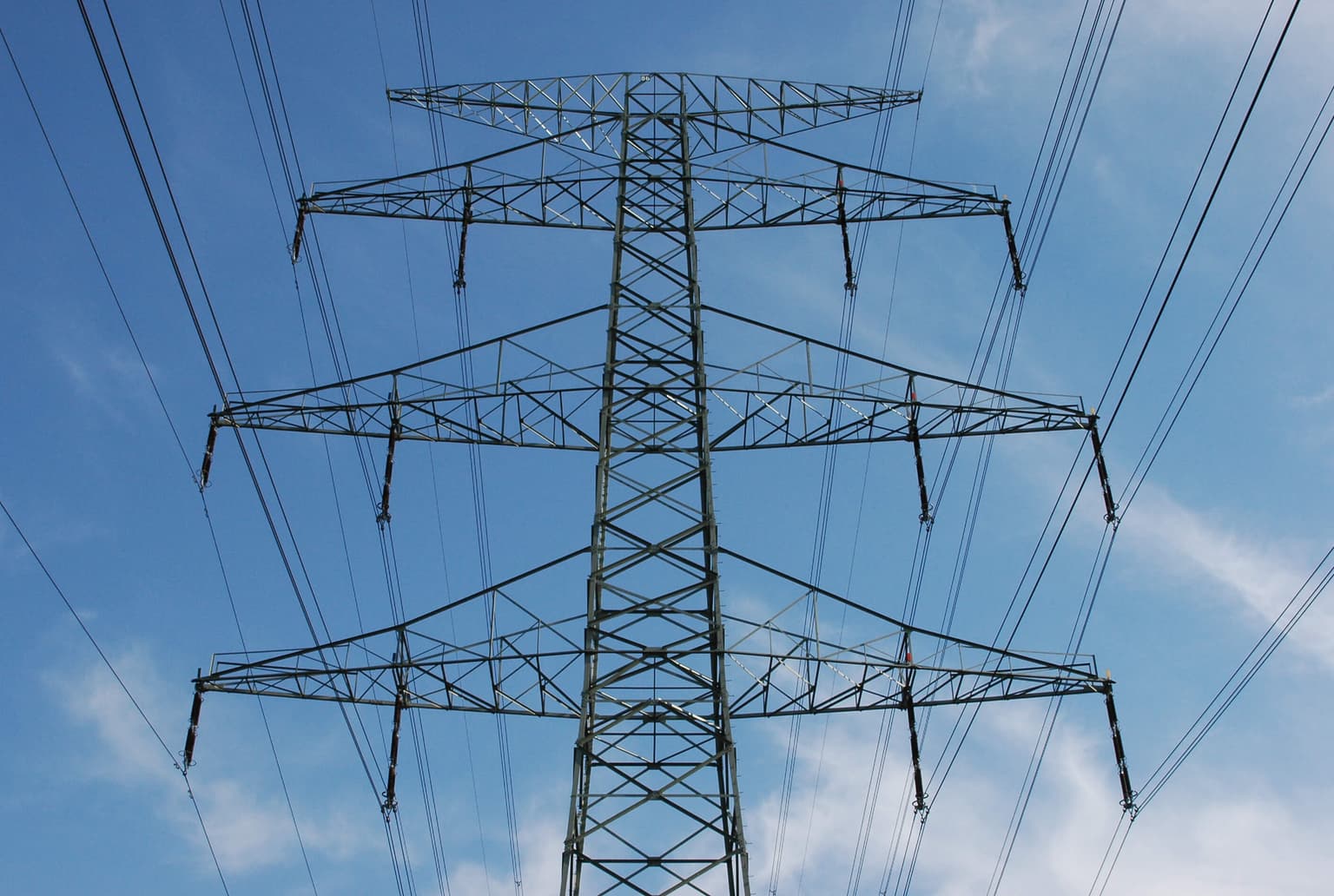
France’s net electricity exports reached 42 TWh in the first half of this year. If the current trend continues, the annual export record set in 2022 will be broken, according to French transmission system operator RTE. The international outlet Montel reported.
France has reported another record for electricity exports. In May, the country recorded its highest monthly export figure in at least 12 years, at 9.2 TWh, and recent reports point to a record level of exports for the first half of the year. They amounted to 42 TWh, almost 30 TWh more than in the first half of last year.
7. China starts construction of two more Hualong One nuclear units
Construction has officially begun in China on two more nuclear reactors. One will be built at the Ningde plant and the other at the Shidaowan plant. Both new units will use China’s Hualong One nuclear technology and have an installed capacity of 1150 MW. The reactors are expected to enter commercial operation in 2029 and help the country generate carbon-free electricity.
At the end of July, two Chinese companies, China General Nuclear and China Huaneng, announced that they had started work on a new nuclear unit. The first concrete was poured on 28 July at the site of Ningde’s fifth unit and Shidaowan’s first unit. China’s authorities approved construction of both Hualong One units, each alongside another sister unit at the same plant, last July.
8. Energy prices and policy lead more German companies to consider relocating production
Four in ten industrial companies in Germany are considering cutting production in the country or moving some of their production capacity abroad due to uncertainty over energy policy and high energy prices. This is according to a survey by the Association of German Chambers of Industry and Commerce (DIHK).
About 37% of the 3,000 companies surveyed said they were considering cutting production or moving some of their production capacity abroad. The figure was 32% in 2023 and 21% in 2022. Among energy-intensive companies, 45% are considering these steps. Of large companies with more than 500 employees, 51% said this could be one of the options.
9. Temelín Nuclear Power Plant’s second unit generates electricity again after five days

The second unit of the Temelín Nuclear Power Plant is generating electricity again. This was announced on X by Bohdan Zronek, a member of ČEZ’s board of directors and head of its nuclear energy division. The second unit was disconnected from the grid on 2 August. The originally unplanned work was prompted by increased vibration in the largest turbine-generator set in Czechia, detected in July.
“The work went according to plan and mainly involved checking the turbine’s support in its plain bearings. The work itself took a matter of hours, but the equipment first had to be cooled down and then heated to a temperature that would allow electricity generation to resume. The second unit is currently operating at around 90% capacity. We expect it to reach 100% later today, although this will depend on the parameters we are monitoring,” nuclear power plant spokesperson Petr Šuleř said this morning.
10. Think tank: Germany needs to provide more support for offshore wind power
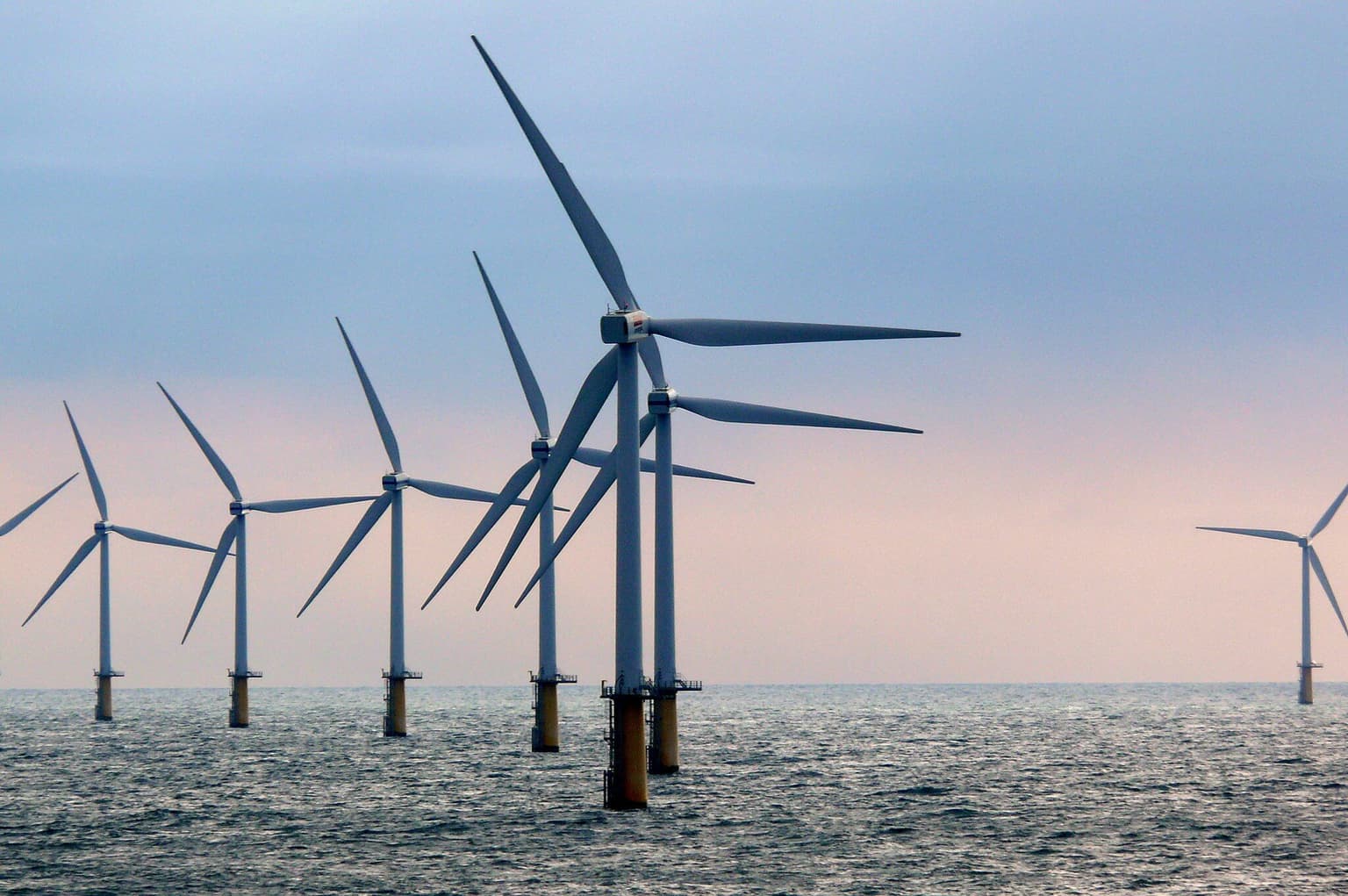
Offshore wind power, together with other renewable energy sources, is set to be one of the pillars of Germany’s energy transition. Interest in sites off the German coast has been relatively strong in recent years, with developers now required to pay the state for the sites. Recent experience in other countries, where planned offshore wind farm projects have been cancelled, could make German politicians wary. German think tank Agora Energiewende has now, according to Clean Energy Wire, put forward several proposals to support the development of offshore wind power in Germany.
Germany has set fairly ambitious plans for renewable energy development, including offshore wind farms. By the end of this decade, the country is expected to have at least 30 GW of installed capacity from these sources. However, at the end of last year, installed capacity at German offshore wind farms stood at 8.5 GW.
Energostat: electricity generation in Czechia
Energostat: electricity generation in Germany
Translation disclaimer
This article is a machine translation of the Czech original and has not yet been fully reviewed. In case of any doubt, please refer to the Czech version.
Sdílejte článek prostřednictvím:
Topics:Energy Weekly
You might also like




23 October 2026, 14:38