Sweden wants to build both small and large nuclear plants. The state had to step in

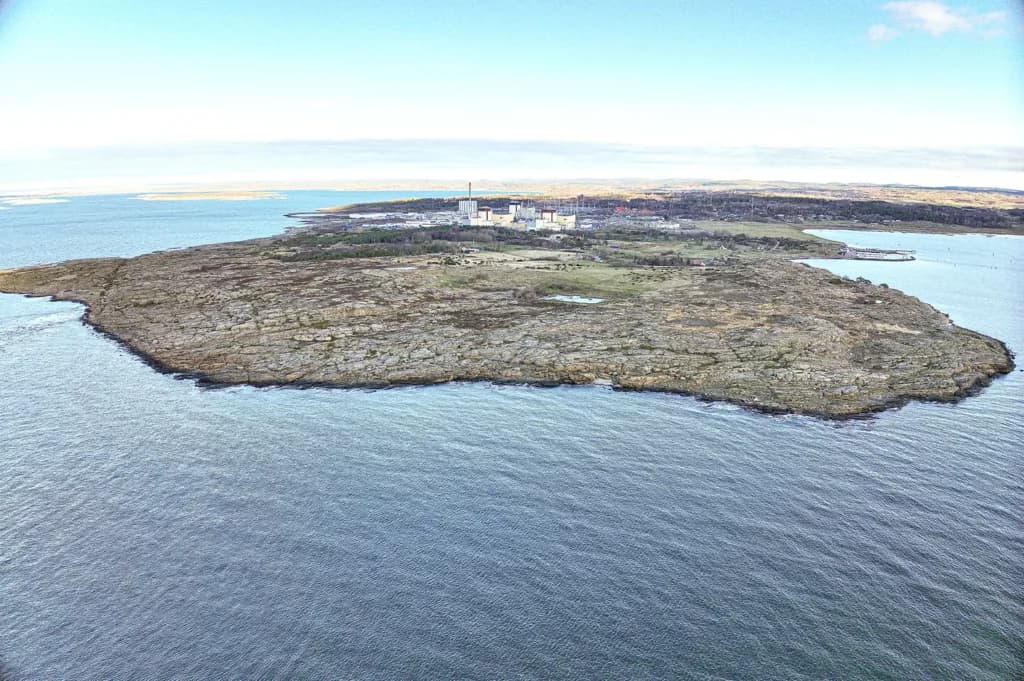
Sweden has taken another important step towards building new nuclear capacity. At the end of June, the state announced that it would acquire a 60% stake in Videberg Kraft, which is preparing new reactors at the Ringhals site. The stake is being sold by Sweden's Vattenfall, which is 100% owned by the Swedish state. The parties have also agreed on the main parameters of public support. As with Czech support for the new Dukovany units, the model rests on the same three pillars: state loans, a contract for difference and the sharing of selected risks.
At the end of last month, the Swedish government announced that the state would become the majority owner of Videberg Kraft AB. The company is preparing the construction of new nuclear reactors in Sweden near the existing Ringhals nuclear power plant. The state is to acquire 60% of the company's shares from Vattenfall
Without public support, investors are not rushing into nuclear power
The Swedish case once again shows that new nuclear projects in Europe can hardly do without a substantial role for the state. In February, Vattenfall said that the project was too large to be carried solely on its balance sheet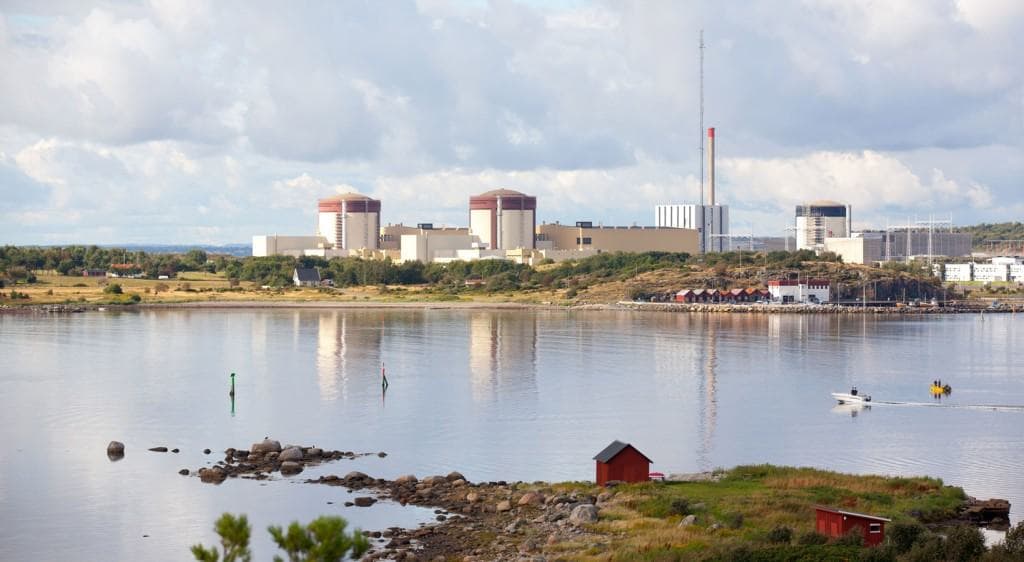
“These were challenging negotiations. However, we reached a solution in which risks are divided between commercial entities and the state, based on the principle that responsibility for a given risk lies with the party best able to manage it. It was a thorough process accompanied by a strong shared determination to enable the construction of new nuclear capacity in Sweden,” Anna Borg concluded.The government is now preparing a notification of the public support to the European Commission. Sweden expects the Commission's decision in the second half of 2027. Only then will it be possible to assess whether the proposed model will pass state-aid rules in the form Stockholm negotiated with investors. The support structure itself is well known from a European perspective. The Swedish model is to rest on three main instruments: a preferential government loan, bilateral contracts for difference and a risk-sharing mechanism (or protection against risks). At its core, it is therefore very similar to the model the Czech Republic notified for two new units at Dukovany.