A French precedent for ČEZ: Why did the state nationalise EDF, and is ČEZ in the same position?

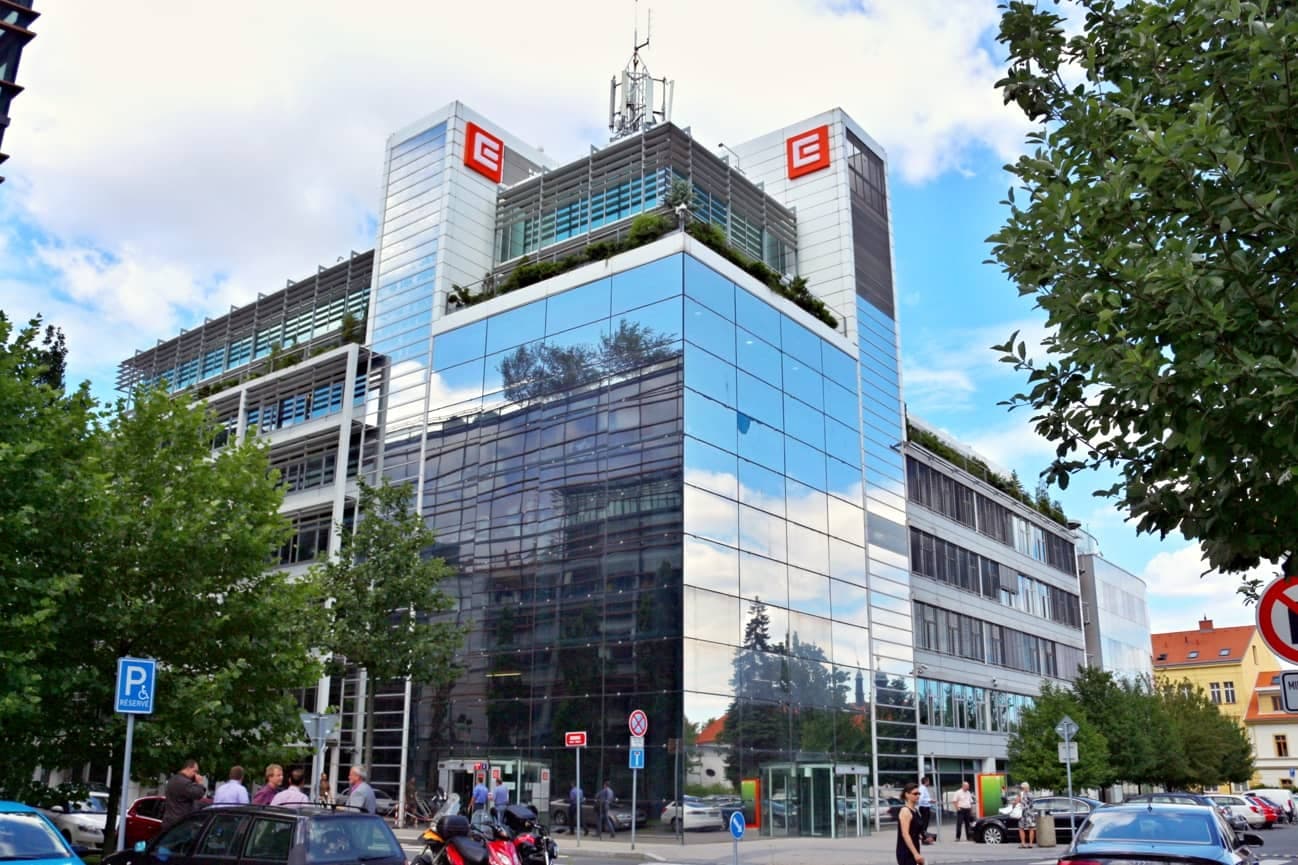
One of the key questions facing the Czech energy sector in recent months has been whether and how the state should gain full control over the generation arm of ČEZ. France faced a similar question with EDF. Its offer documents show why the state ultimately decided to pursue a full takeover of the company. The debate over ČEZ's future has moved since the last election to the Chamber of Deputies from the political statements that have surrounded ČEZ for several years to a phase of concrete steps towards nationalisation. At the beginning of June, the company's general meeting approved a plan to split ČEZ and carve out certain activities considered less significant to the state into a new subsidiary. According to publicly communicated plans, these should primarily include electricity and gas trading and distribution activities. The purpose of the entire operation is to create a structure in which the state gains full control over ČEZ's generation arm. This is crucial for the government because of the construction of new nuclear units, future gas-fired capacity, the phase-out of coal use and, more generally, closer alignment of the energy sector with energy policy objectives.
France faced a similar situation with EDF and opted for nationalisation
Nuclear power, financing and decision-making without minority shareholders
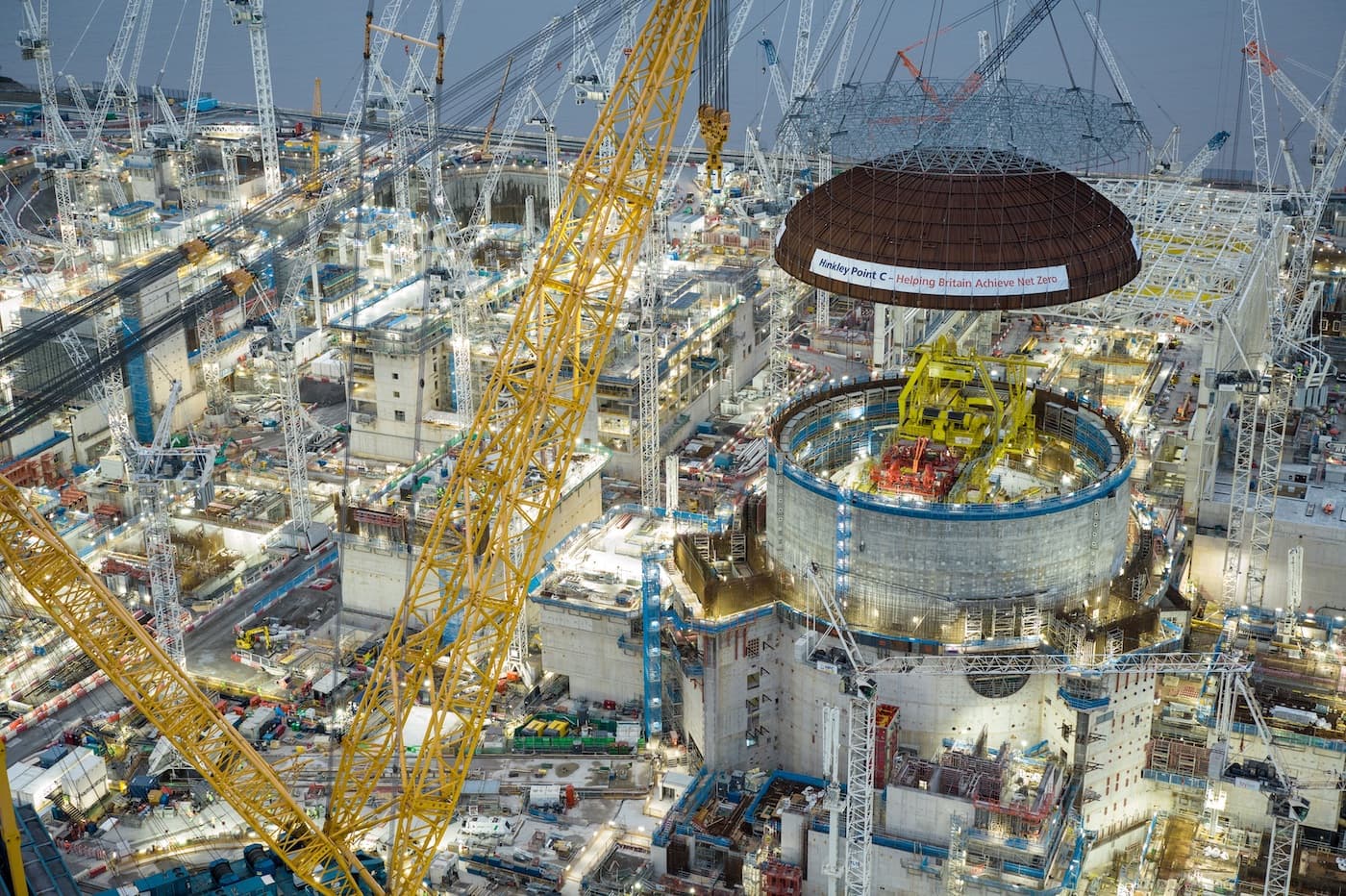
Several French arguments have clear parallels in the Czech Republic. The first is new nuclear power. EDF was to build six new EPR2 units in France, while ČEZ is pursuing new units at Dukovany and, very likely, further nuclear projects at Temelín as well as small modular reactor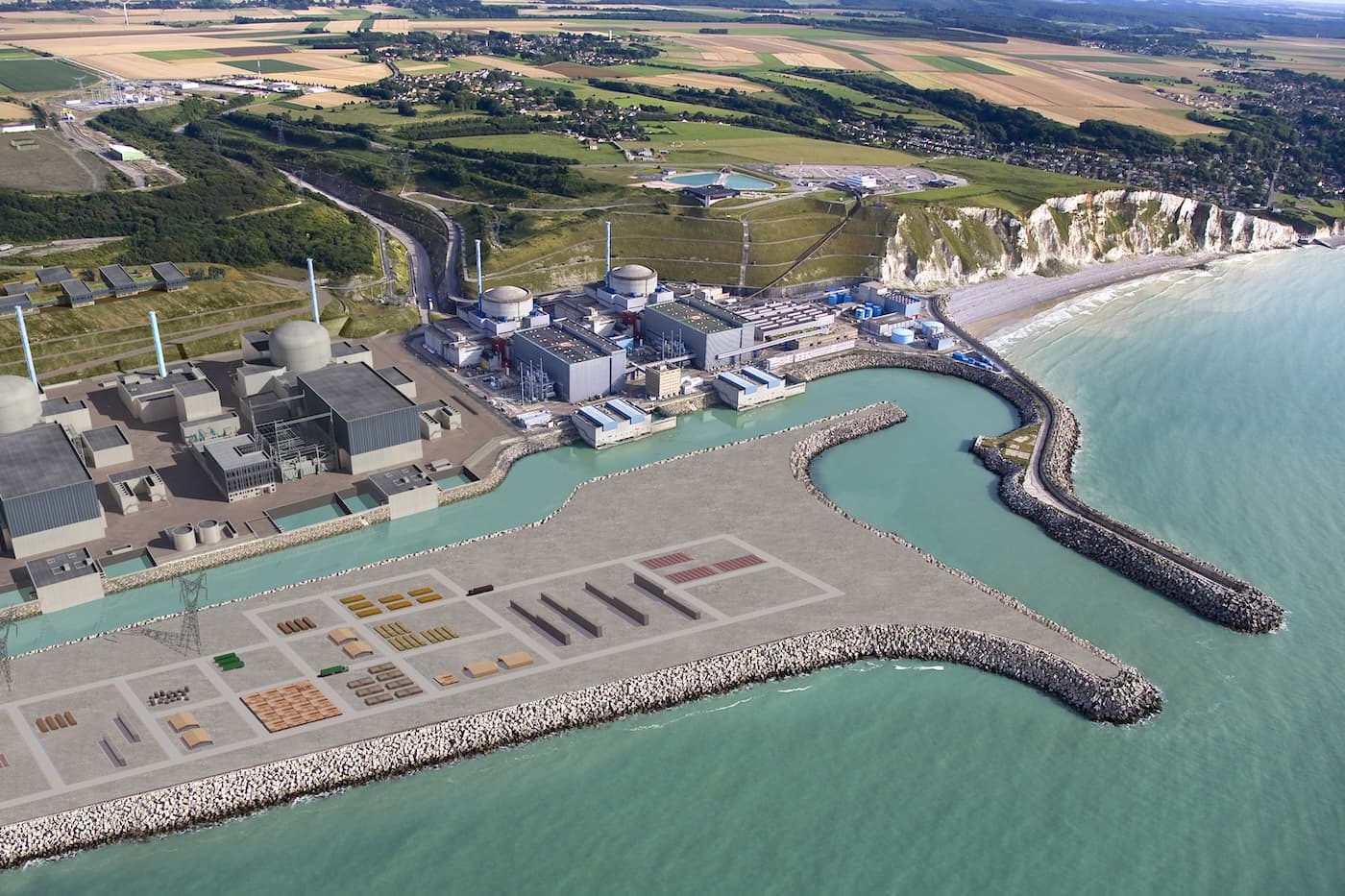
Energy-sector interventions related to the energy crisis
The most sensitive aspect of EDF's nationalisation concerned state interventions in energy pricing. In 2022, EDF had to supply additional volumes of electricity at a lower price to competitors through the ARENH mechanism, so that the state could limit rising consumer bills. The company subsequently sought compensation from the state amounting to billions of euros. Minority shareholders argued that the state had first damaged EDF's value and then bought them out at a price affected by that very intervention. The Czech Republic has its own experience of similar interventions during the energy crisis. During the crisis, the state introduced extraordinary levies and a windfall tax, which also had a significant impact on ČEZ. At the same time, the state was the majority shareholder, the maker of tax rules and the recipient of taxes and dividends. Such a combination of roles is difficult in the long term for a publicly traded company. Every such decision to intervene in ČEZ's operations can also become a dispute over fair treatment of minority shareholders.The French precedent differs from the Czech case, but parallels do exist
The comparison between EDF and ČEZ naturally has its limits. Before the offer, France already held a stake of more than 83 % in EDF, so the buyout potentially concerned a much smaller proportion of shareholders. The Czech state holds approximately 70 % of ČEZ, which is why a more complex procedure is being discussed: first splitting the group, followed by a potential buyout of minority shareholders and the takeover of the generation arm. Moreover, France ultimately did not proceed with splitting EDF under the previously discussed Hercule project