
28 October 2026, 15:10
Loading...
Top 10 energy stories of the past week
oEnergetice.cz
24 March 2024, 15:07
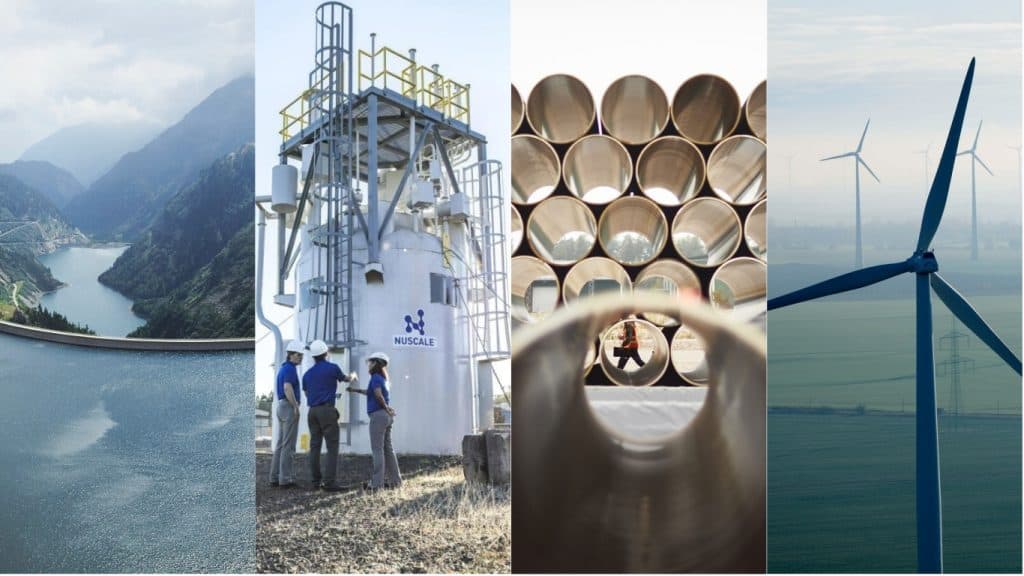
1. Europe’s wind industry is becoming uncompetitive
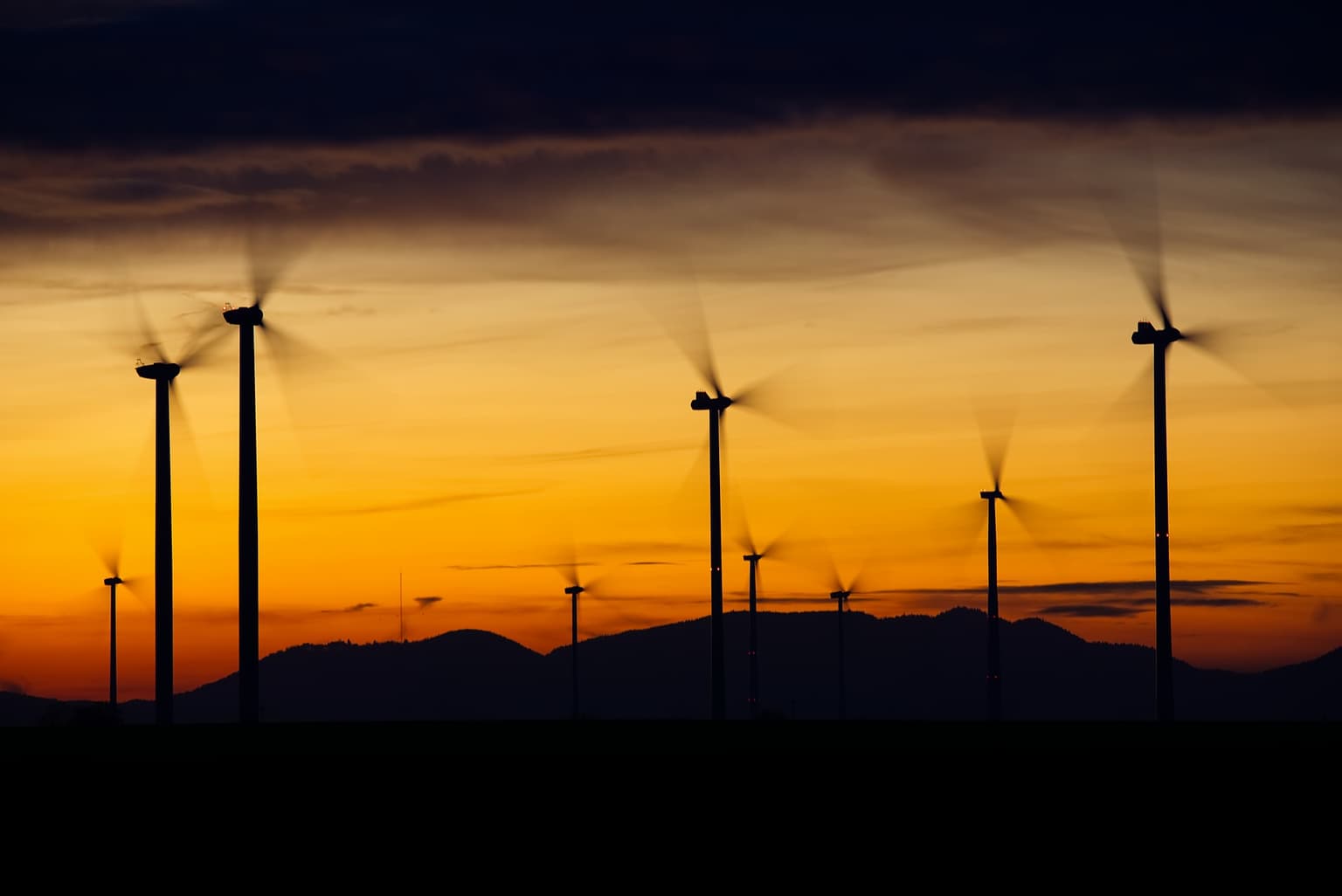
Experts say Europe’s wind power industry is losing its competitiveness compared with other regions of the world, largely due to rising costs and waning public support. This could put the European Union’s renewable energy targets at risk.
“Europe is no longer competitive. … Working conditions, salaries, electricity costs—all these aspects do not match what we are ultimately willing to pay for the product,” Andreas Evertz, CEO of German wind energy components supplier Flender, said during the WindEurope 2024 conference.
2. German research ministry aims to build fusion power plant as soon as possible
Germany’s Federal Ministry of Education and Research (BMBF) wants to lay the foundations for building the country’s first fusion reactor to generate electricity through a new nuclear fusion research funding programme. The aim is to have such a reactor up and running by 2040, Minister Bettina Stark-Watzinger announced.
“Fusion offers a huge opportunity to solve all our energy problems,” Stark-Watzinger said. “Excellent research facilities and a strong industrial sector give Germany ideal conditions for building a facility to generate energy from nuclear fusion,” she added.
3. European Parliament approves Euro 7 emissions standard for vehicles

The European Parliament has approved an agreement on revised emissions rules for cars, trucks and buses. The legislation remains controversial, however, with stakeholders still divided over whether it is too strict or not strict enough.
The text was approved by 297 votes to 190, with 37 abstentions, after being significantly watered down from the original proposal. Lawmakers argued that stricter vehicle emissions standards would make cars more expensive for consumers and discourage investment needed to develop electric vehicles. Euractiv reports.
4. NATO: Russian sabotage poses a threat to energy infrastructure
Potential Russian sabotage poses a clear threat to European energy infrastructure, according to a NATO cybersecurity official. He said there have been attacks in the past in which attempts were made to infect control systems with malware. The protection of Europe’s energy infrastructure came to the fore after damage to the Nord Stream and Balticconnector gas pipelines.
“For decades, Russia has been mapping the critical … undersea cables and pipelines that we depend on,” said James Appathurai, NATO Deputy Assistant Secretary General for Innovation, Hybrid and Cyber.
5. Another European country plans to build small modular reactors, with a decision due next year
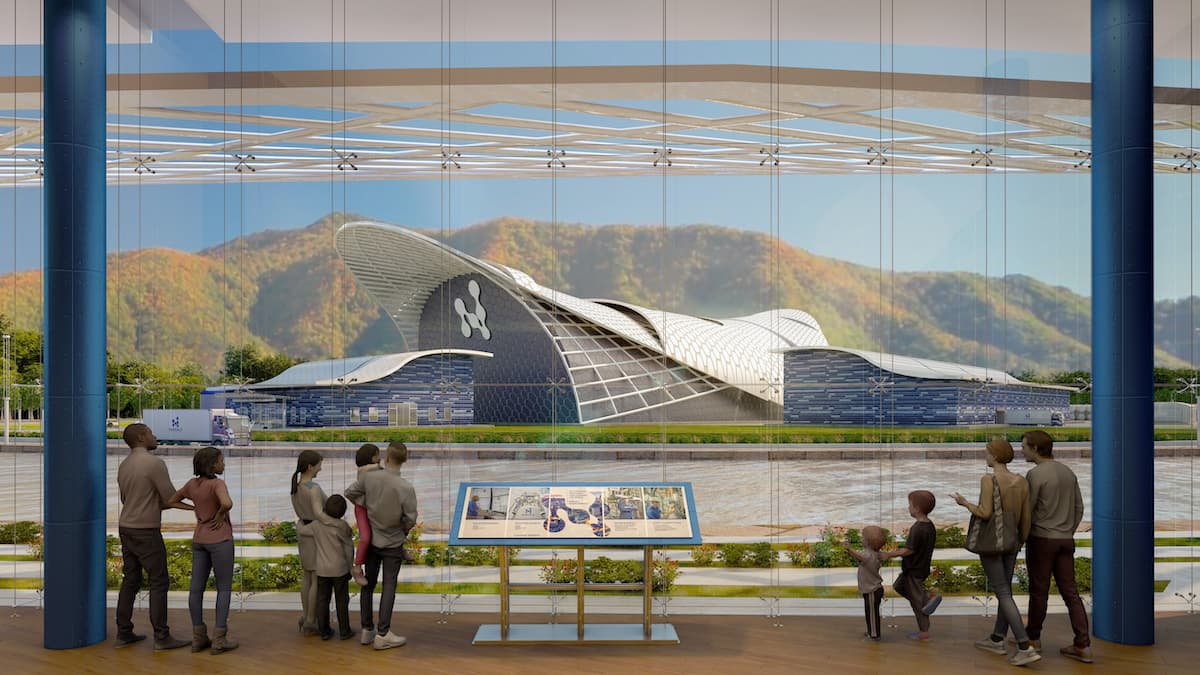
Romania is expected to make a preliminary decision next year on whether and how to proceed with building small modular reactors. According to the energy minister, quoted by Reuters, Romania could become the first European country to build a small modular reactor.
Another serious contender has joined the list of those interested in building a small modular reactor in Europe. That is at least what can be gleaned from statements by Romania’s energy minister, quoted by Reuters. He said Romania should make a preliminary decision next year on whether to build the country’s first small modular reactor.
6. Rosatom: Construction of Hungary’s Paks II nuclear plant to officially begin this year
Preparatory work on the second phase of Hungary’s Paks nuclear power plant is progressing rapidly. At the end of last year, construction workers completed a 2.7 km-long wall separating the site from groundwater. Rosatom, the Russian supplier of the reactor units, therefore expects construction to officially begin with the first concrete pour later this year. According to plans, the first of the two new VVER-1200 reactors will enter commercial operation in the early 2030s.
Russian energy company Rosatom announced that it had reviewed the rapid progress of the Paks II nuclear power plant project at a meeting with Hungary’s foreign minister. Last year, a 2.7 km-long wall separating the site from groundwater was completed ahead of schedule.
7. Government approves electricity storage rules to improve grid management and development
The government today approved a draft amendment to the Energy Act introducing rules for electricity storage and aggregation. Industry and Trade Minister Jozef Síkela (STAN) said so in the Chamber of Deputies after a cabinet meeting. According to the Ministry of Industry and Trade, the amendment should improve the management of power balance in the grid and, for example, allow consumers to adjust their consumption according to current energy prices. Czech legislation has so far lacked rules governing these activities, hindering their development.
The development of storage—that is, delaying the delivery of generated electricity to the grid—is necessary, according to the Ministry of Industry and Trade, particularly to increase the grid’s resilience to operational fluctuations, integrate renewable energy sources into the grid and support investment.
8. China accelerates nuclear power development, on track to become global leader

China ranks third globally in installed nuclear power capacity, with nearly 54 GW across 55 operating reactors. It has held the top spot for several years in a row for the number of reactors under construction. China is also performing relatively well in building nuclear power plants abroad.
China’s Hualong One project in Pakistan is considered successful in terms of construction speed and trouble-free execution. Hualong One reactors are among China’s strongest nuclear technology exports, and the country says it can provide a complete supply chain for their construction.
9. ČEZ aims to select supplier for Czechia’s first modular reactor by year-end
Partly state-owned company ČEZ wants to select a supplier for the first nuclear modular reactor in Czechia by the end of this year. The reactor is planned for Temelín and is expected to be completed in the first half of the 2030s. The company will choose a supplier from among three firms. ČEZ CEO Daniel Beneš said so at a press conference today. Modular reactors are expected to gradually replace coal-fired power plants.
According to ČEZ, small modular reactors are a suitable long-term replacement for existing coal-fired power plants and large heating plants. They would not replace large nuclear units, but rather complement them.
10. Poland generated more electricity from renewables than lignite for the first time last year
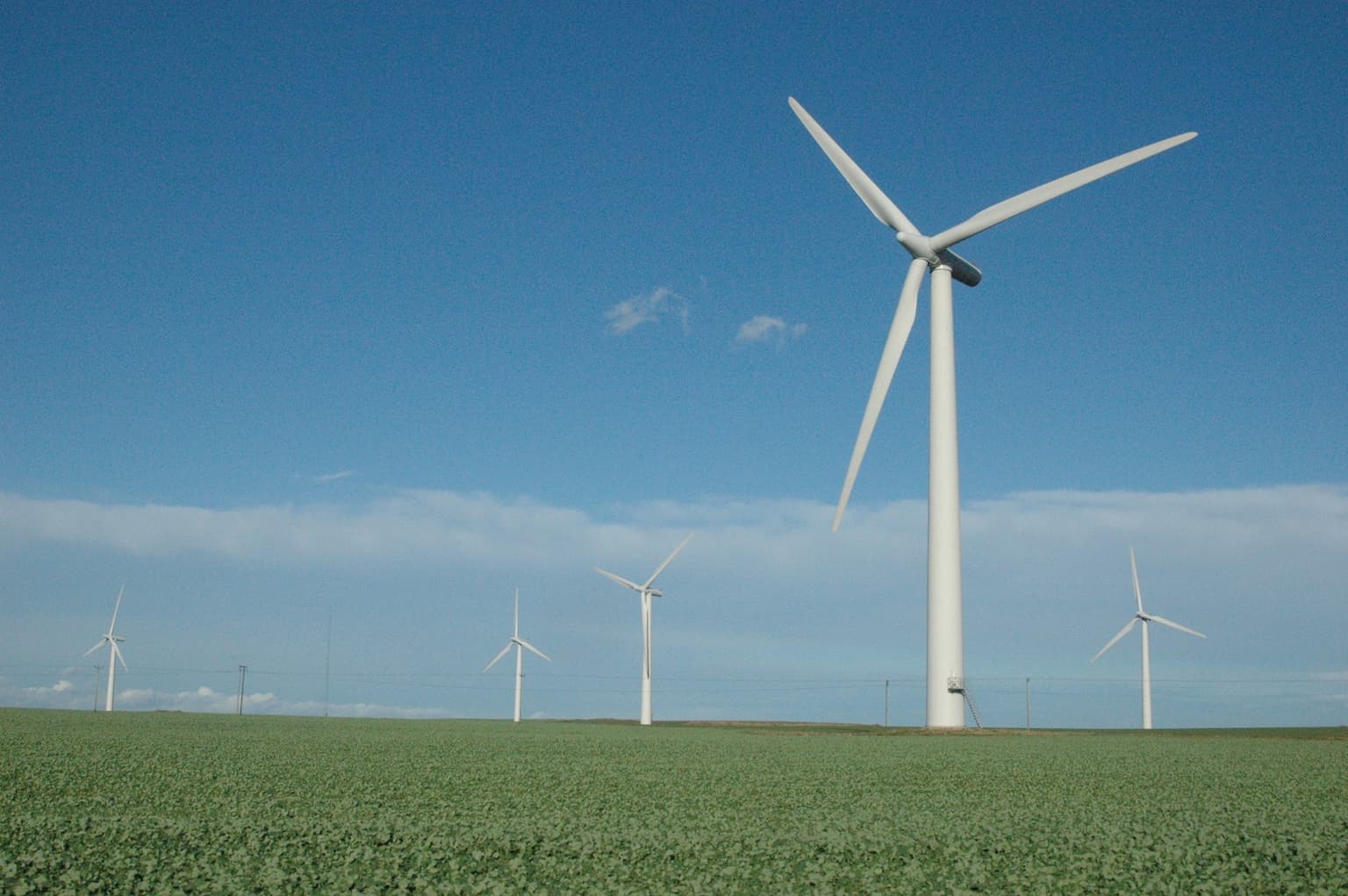
Poland generated a record 35 TWh of electricity from renewable energy sources (excluding hydropower) last year. As a result, renewables accounted for a larger share of total electricity generation than lignite-fired power plants for the first time in history. Hard coal nevertheless remained the main source of electricity, with a share of nearly 50%. The international news outlet BiznesAlert reported, citing data published by Polish transmission system operator PSE.
Renewable energy sources are on the rise in Poland. Another 5 GW of installed capacity was connected to the grid last year, helping electricity generation from these sources (excluding hydropower) rise to a record 35 TWh.
In focus
Fourteen months with a solar power system: energy self-sufficient from May to September
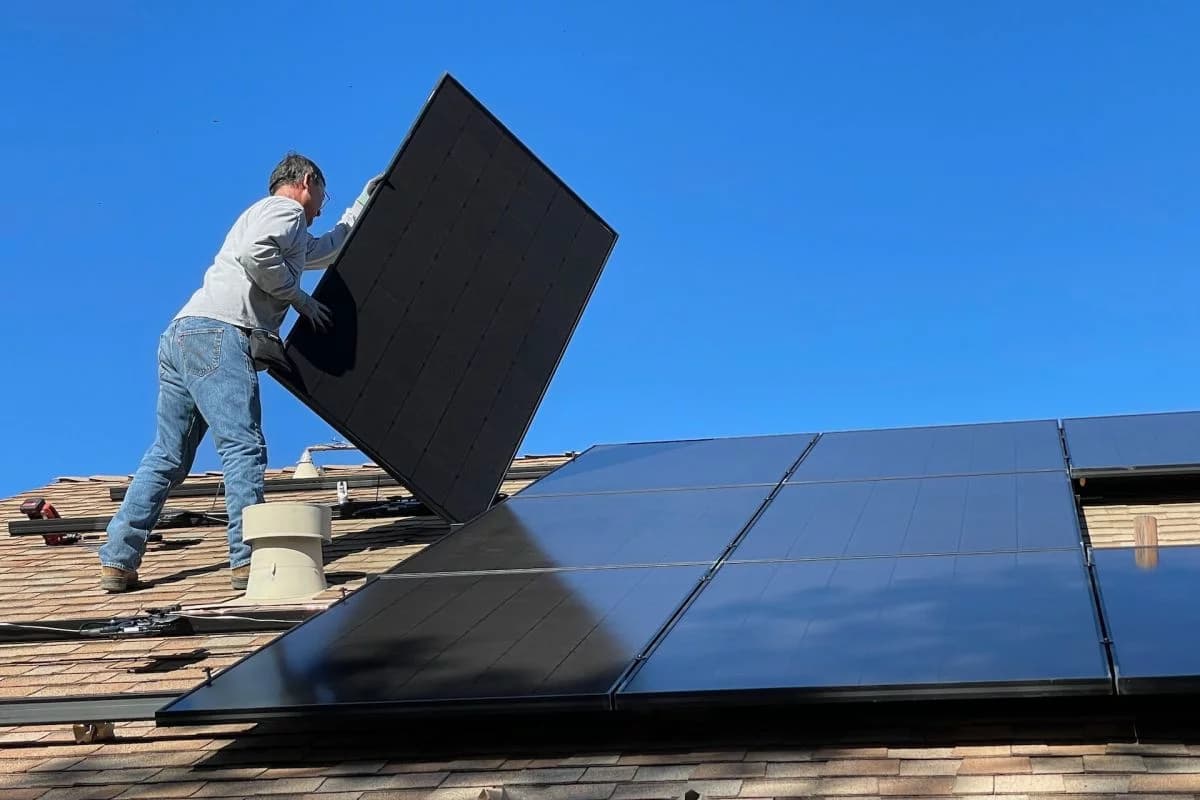
Last year, solar power systems were installed on the roofs of 80 thousand family homes, up from 33 thousand the year before. One of them was the home of Otakar Schön, whose system has now been operating for 14 months. How satisfied is he with solar power, and how much of the family’s annual consumption does the system cover?
“It’s hard to find someone who has installed a solar power system and complains about it. I haven’t met one yet,” says Schön. The only thing he would change is that he would have started building a year or two earlier. Schön described everything involved in installing the system in his book *The Story of a New Solar Owner*, published by Hospodářské noviny—from choosing a supplier and having to install new roofing to a change in regulations during the process that ultimately meant fewer panels could fit on the roof.
Energostat: electricity generation in Czechia
Energostat: electricity generation in Germany
Translation disclaimer
This article is a machine translation of the Czech original and has not yet been fully reviewed. In case of any doubt, please refer to the Czech version.
Sdílejte článek prostřednictvím:
Topics:Energy Weekly
You might also like

28 October 2026, 13:08

28 October 2026, 11:10

28 October 2026, 09:08
