
1 November 2026, 21:20
Loading...
Top 10 energy stories of the past week
oEnergetice.cz
21 January 2024, 20:47
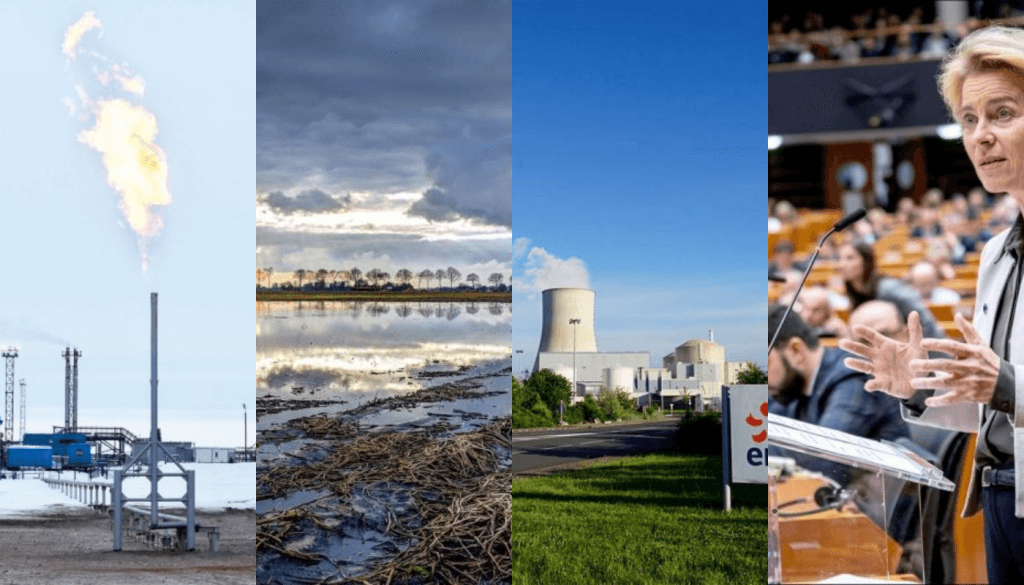
1. Sizewell C gets the green light to start construction
Sizewell C has received approval to begin the construction phase of its new nuclear reactors (Development Consent Order – DCO). EDF Energy, in cooperation with the British government, plans to build two EPR 1600 reactors at the site in Suffolk, UK.
EDF Energy applied for a DCO in May 2020. The consent, which follows an application for a nuclear site licence, is assessed by the Planning Inspectorate. It also determines whether the proposed project complies with national legislation and planning regulations. The project received planning permission from the authority in July 2022. Although preparatory work began immediately, many requirements had to be met before the construction phase could start under the DCO.
2. European Commission likely to recommend 90% cut in CO2 emissions by 2040

The European Commission is preparing to recommend that the EU cut net greenhouse gas emissions by 90% from 1990 levels by 2040. This is intended to put the EU on track to achieve net-zero emissions by 2050. Several EU countries have expressed support for the plans. Hungary, for example, is sceptical, while France and Germany have yet to take a position.
The European Union is preparing its first climate target for 2040, intended to bridge the gap between the current targets of cutting net emissions by 55% by 2030 and reaching net zero by 2050. The Commission is due to publish its 2040 plan in a proposal to be submitted on 6 February, Reuters reported.
3. Slovakia and Ukraine join plan for so-called Vertical Gas Corridor

Slovakia, Ukraine and Moldova have joined an initiative to create a corridor for transporting natural gas between Greece and countries to its north, Reuters reported today. Greece agreed with Hungary, Bulgaria and Romania back in 2016 to develop the infrastructure needed to establish the so-called Vertical Gas Corridor, which would enable two-way gas supplies between these countries.
“The Vertical Corridor will now connect to the Trans-Balkan Pipeline, enabling natural gas to be transported from Greece to Moldova and to underground storage facilities in Ukraine,” Moldova’s Ministry of Energy said.
4. Germany to test whether railways could help ease pressure on its overloaded grid
Germany has long grappled with insufficient transmission grid capacity, which could complicate the country’s plans to expand renewable energy. The shortfall already costs the country billions of euros a year in stabilisation measures. One way Germany could ease the strain on its overloaded grid is to make use of the railway network. A German transmission system operator and the country’s rail operator are now planning to test this option.
Further development of transmission and distribution networks is one of the key prerequisites for making effective use of renewables’ potential. In Germany, however, progress on expanding the transmission system has long been stalled: construction of the key north-south SuedOstLink line only began last year. Adequate north-south transmission capacity is crucial to Germany’s Energiewende, allowing the windy north to supply electricity to the industrial south.
5. Temelín saves 5,400 MWh of electricity with AI by optimising pump settings
The Temelín nuclear power plant saved 5,400 megawatt-hours (MWh) of electricity in its own consumption last year thanks to the use of artificial intelligence (AI). It uses a modern mathematical method for processing large datasets known as Big Data. ČEZ has used AI to optimise the operation of Temelín’s largest pumps since 2021. Last year, the plant consumed 803,000 MWh of electricity, around five percent of the electricity it generated. Temelín spokesperson Marek Sviták told journalists today.
The amount of energy saved is equivalent to the annual electricity consumption of households in a small town. The savings were achieved by optimising the settings of the largest circulation pumps, which circulate water through the cooling towers and through the condensers in the turbine hall. “We began using Big Data to manage operating modes in 2021 at Unit 1. Since last year, we have been using the method fully at both units,” said Jan Kruml, director of the Temelín power plant.
6. UK unveils timeline for major nuclear power expansion

The British government has published a plan to realise its nuclear ambitions. It aims to quadruple installed nuclear capacity to 24 GW by 2050. Plants with that capacity would cover around 25% of the country’s projected electricity consumption. The government also hopes a clear timeline for key decisions will attract new investors. The Hinkley Point C nuclear power plant, with two EPR units, is currently under construction in the UK.
The British government has published a timeline for nuclear power development through to 2050 on its website. It says the timeline sets out plans for the biggest expansion of nuclear power in 70 years. The main goals are to lower energy prices, support thousands of jobs and ensure the country’s security of supply.
7. EU’s largest importers of Russian LNG are not planning a blanket ban for now

The European Union has reached a preliminary agreement on rules allowing member states to ban imports of Russian gas. However, Spain and France, two of the three EU countries currently most dependent on Russian liquefied natural gas imports, are unlikely to ban them. Traders say a ban on Russian LNG imports would push gas prices up in Europe.
Russian natural gas imports to the EU have fallen sharply since 2022, after Russia cut supplies to Europe in response to extensive Western sanctions against its economy. By contrast, imports of Russian liquefied natural gas (LNG) to Europe have risen significantly, increasing by 40% between January and July 2023 compared with the same period in 2021.
8. France sees potential for 14 new nuclear reactors
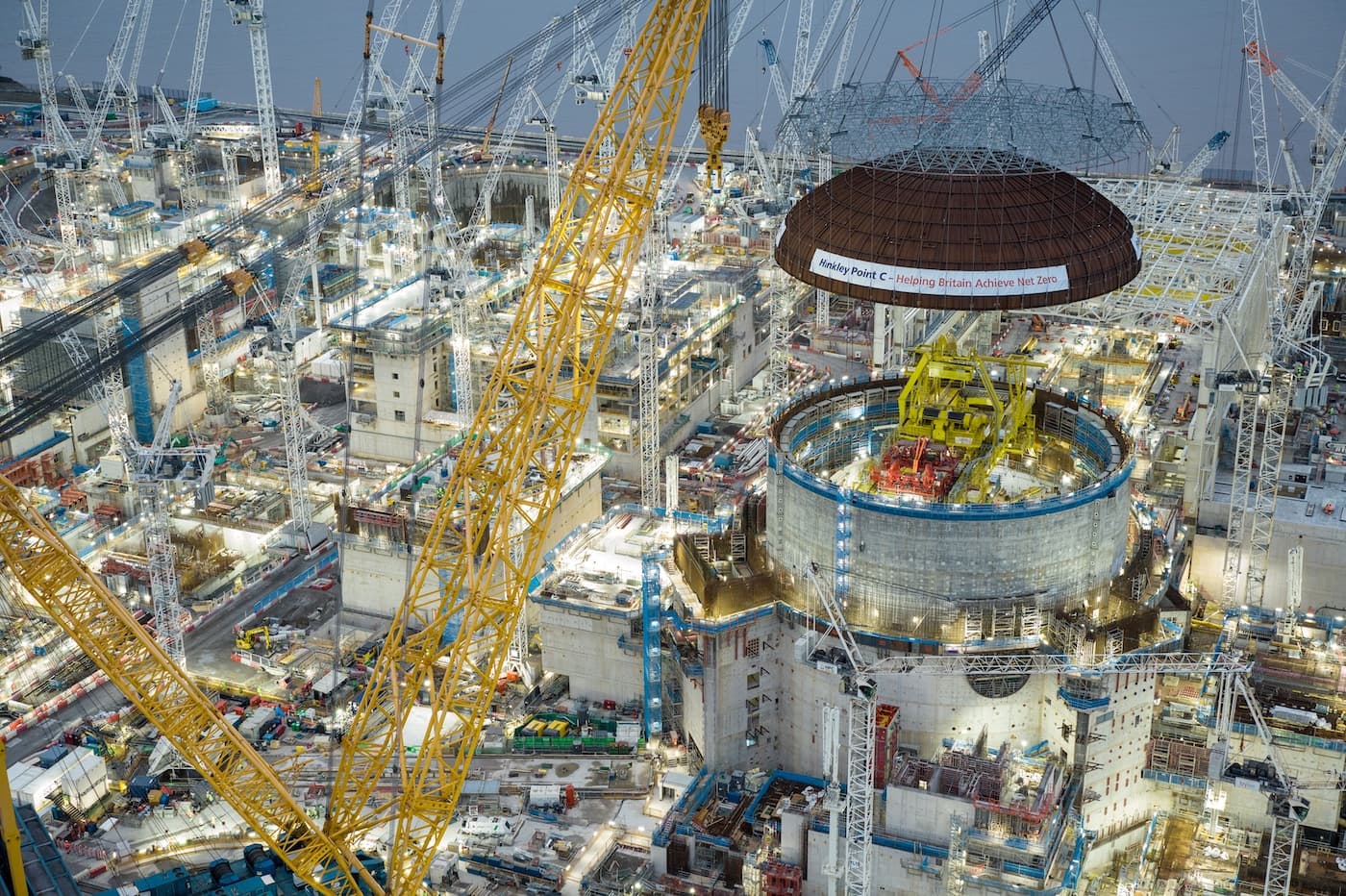
France may need 14 new nuclear reactors to meet its energy transition goal and reduce its dependence on fossil fuels from 60% to 40% by 2035. Six of them are currently in the planning process. French Energy Minister Agnès Pannier-Runacher told Reuters.
In 2022, President Emmanuel Macron put nuclear power at the heart of his country’s efforts to achieve carbon neutrality by 2050, announcing plans to build six new European Pressurised Reactors and study the possibility of building eight more.
9. Norway plans to ramp up gas exploration in Arctic regions
Norwegian oil and gas companies plan to focus more attention on deposits in the Barents Sea, in the Arctic. The companies will look for new deposits over the next three years, with further steps depending on any discoveries.
According to Reuters, the Norwegian government on Tuesday awarded a record number of licences for new drilling in the past five years, including in areas of the Barents Sea. The state-controlled company Equinor, as well as Aker BP and Vår Energi, secured permits for further exploration.
10. Vestas to use lower-carbon steel for Baltic Sea wind farm
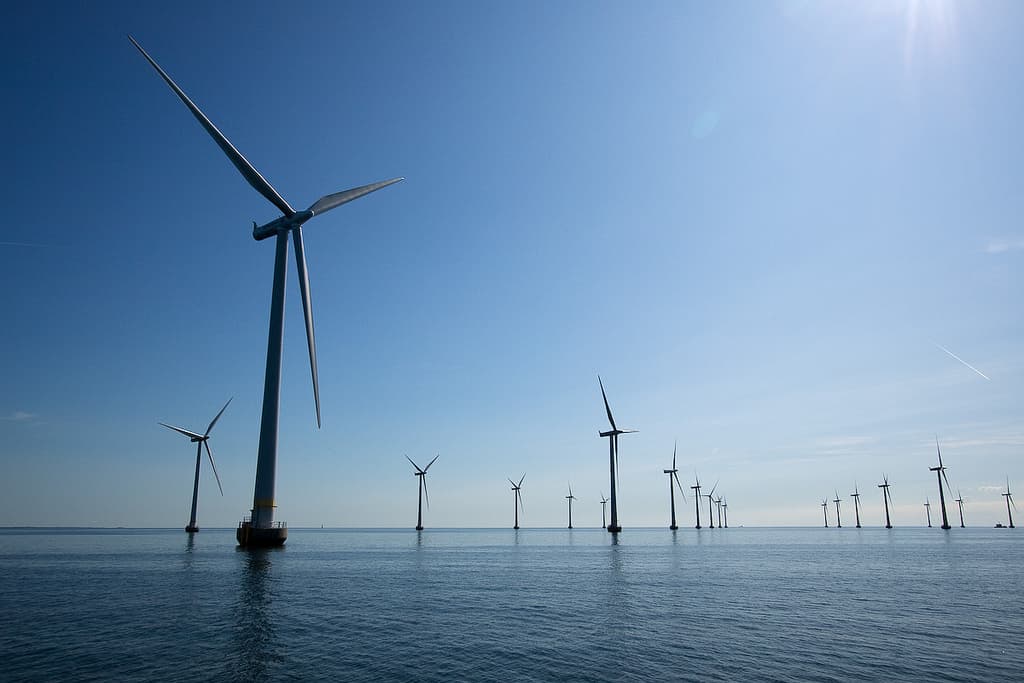
A new wind farm in the Baltic Sea, which will supply electricity to more than 1.5 million Polish households, will feature turbines made with lower-carbon steel. The world’s largest turbine manufacturer, Vestas Wind Systems, has partnered with steelmaker ArcelorMittal to use recycled steel for the first time in manufacturing the towers that support the rotating blades. The towers, which will be installed at the Baltic Power wind farm from next year, will reduce supply-chain emissions by 66 percent compared with the conventional model, Bloomberg reported.
While the energy produced by conventional wind turbines is considered environmentally friendly, building wind farms can be a “dirty” process because it uses energy-intensive materials such as steel and iron. As governments and industries step up efforts to meet climate targets, the renewable energy sector itself is also coming under scrutiny, with the aim of making it more sustainable.
Opinion
The viability of our energy system
The human circulatory system is just as important as the energy system is to our modern lifestyle. While blood is an irreplaceable medium in the human body, electricity is essential for powering our appliances.
Modern medicine is in a way an addition to the human body—it will never replace it to the point where the body is fully viable on its own. The same is true of the energy system originally built: today’s so-called modern energy system can complement it suitably, but cannot fully replace it.
Nuclear power in 2023, part 2: The nuclear renaissance begins in Europe too
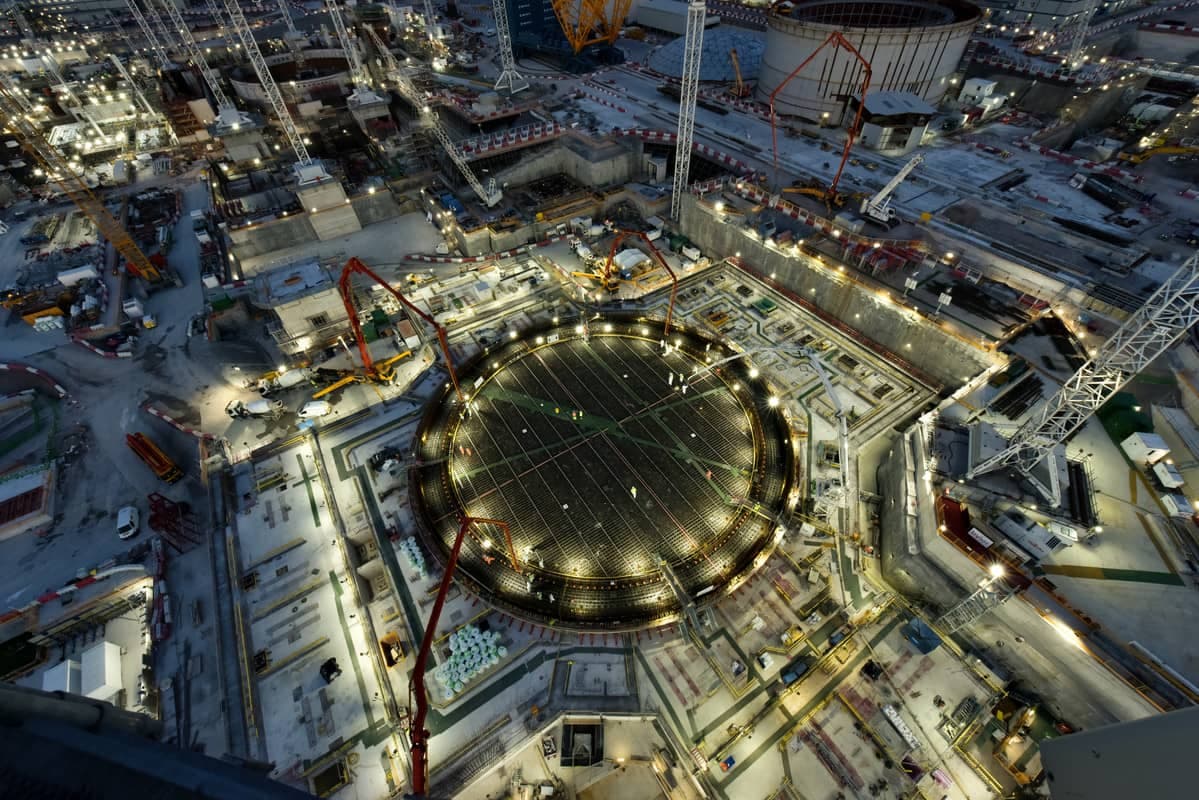
As in the Czech Republic, a nuclear renaissance is beginning in Europe. A number of EU member states are continuing efforts to extend the operation of existing nuclear reactors for as long as possible. In Belgium, French company Engie and the Belgian government have reached a final agreement to extend the operation of the Tihange 3 and Doel 4 units by another ten years. It sets out the conditions for preparing them for further long-term operation during the upcoming outage. Existing units are being granted extensions in many European countries, including the Netherlands, Sweden, Switzerland, Slovenia, Hungary and Slovakia. Let’s take a closer look at some interesting examples.
Finland’s Loviisa nuclear power plant has received a licence to operate its two VVER-440 units for up to 70 years, through to 2050. This is significant for us because the same type of reactor is used at our Dukovany plant. However, the Loviisa reactors are older, so their example will show us how long they can realistically be operated.
Energostat: electricity generation in the Czech Republic
Energostat: electricity generation in Germany
Translation disclaimer
This article is a machine translation of the Czech original and has not yet been fully reviewed. In case of any doubt, please refer to the Czech version.
Sdílejte článek prostřednictvím:
Topics:Energy Weekly
You might also like

1 November 2026, 16:09
1 November 2026, 07:59

31 October 2026, 12:55

31 October 2026, 08:21