Top 10 energy stories of the past week

1. Experts: 2023 could be a turning point in global warming; the 1.5°C limit has failed

The Paris Agreement goal of limiting global warming to 1.5 degrees Celsius has “effectively failed,” scientists said at the end of September at a conference on extreme weather in Hamburg. Scientists and experts see a missed opportunity to stabilise the climate system with relatively little effort. Conference participants believe that much of climate change will continue unchecked, meaning that massive changes to our planet can no longer be prevented.
“We have to accept that the 1.5-degree target will be exceeded,” said Jochem Marotzke, director of the Max Planck Institute for Meteorology.
2. Spain wants agreement on reform of the European electricity market within two weeks
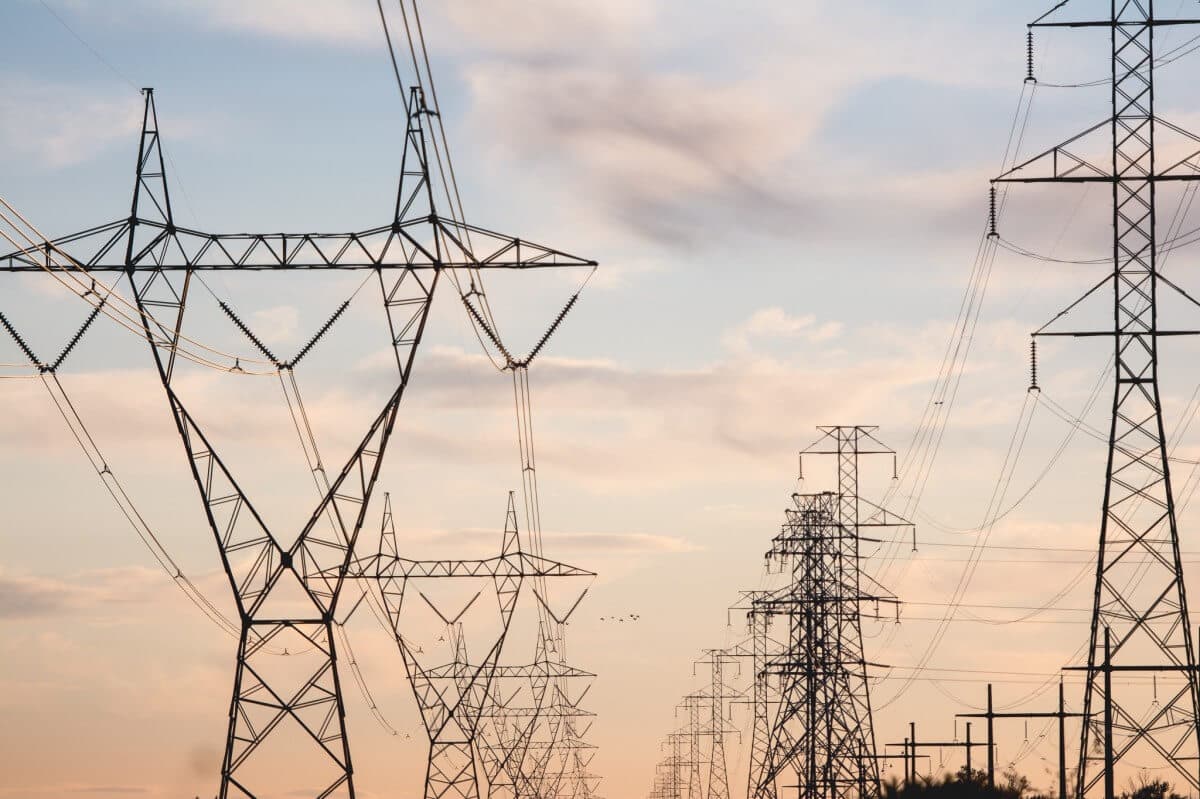
In light of developments in European energy markets over the past two years, reform of the European electricity market has come to the fore. However, talks between EU representatives and individual member states have stalled in recent months. Spain’s energy minister said this week that the country would like to reach agreement on the reform by the next meeting of EU energy ministers, which will take place in mid-October.
One of the main objectives of the proposed reform of the European electricity market is to better protect consumers from extreme price fluctuations in the markets. The European market was particularly exposed to these during the summer of last year, after supplies of natural gas from Russia fell to a fraction of their usual volume. Another key aspect is the model for purchasing electricity from generating sources, including nuclear power plants, as well as the possible redistribution of funds to industry, an issue that has recently stalled the talks.
3. Germany: renewables covered more than half of electricity consumption this year
Renewable energy sources in Germany covered more than half of electricity consumption in the first three quarters of this year. This is according to data from the German Association of Energy and Water Industries (BDEW) and the Centre for Solar Energy and Hydrogen Research Baden-Württemberg (ZSW).
From January to September, renewables accounted for around 52% of gross electricity consumption in Germany, almost five percentage points higher than in the same period last year. The decline in Germany’s overall electricity consumption also helped increase this share.
4. Moldova and energy security: “One step forward, two steps back”
“Moldova will no longer buy gas from Russia’s Gazprom.” “Moldova could buy Russian gas if the terms are favourable.” These were the headlines of two different Reuters reports published two days apart. They aptly illustrate the difficult situation facing one of Europe’s poorest countries. On the one hand, there is energy insecurity, corruption and Russian influence; on the other, favourable conditions for renewable energy, Western investment and a completed energy audit. This article aims to briefly outline the basic premises and factors affecting Moldova’s energy security in light of recent developments.
First, the issue needs to be put into context. Moldova declared independence in 1991 after the collapse of the Soviet Union. The same was done by part of Moldova, the separatist region of Transnistria, whose population largely felt closer to the USSR, and later to Russia. However, the most critical part of the energy infrastructure, the Kuchurgan power plant, is located in Transnistria. The rest of the infrastructure is in no better shape, particularly in terms of connections with other countries. For example, power lines connect Moldova with Ukraine, Transnistria and Romania, but today only the latter can be a reliable partner, quite apart from the condition of the lines. The situation is similar with gas pipelines, with the Iași-Ungheni-Chisinau connection to Romania the only recent diversification.
5. World first: EU launched the first phase of its carbon border system at the weekend
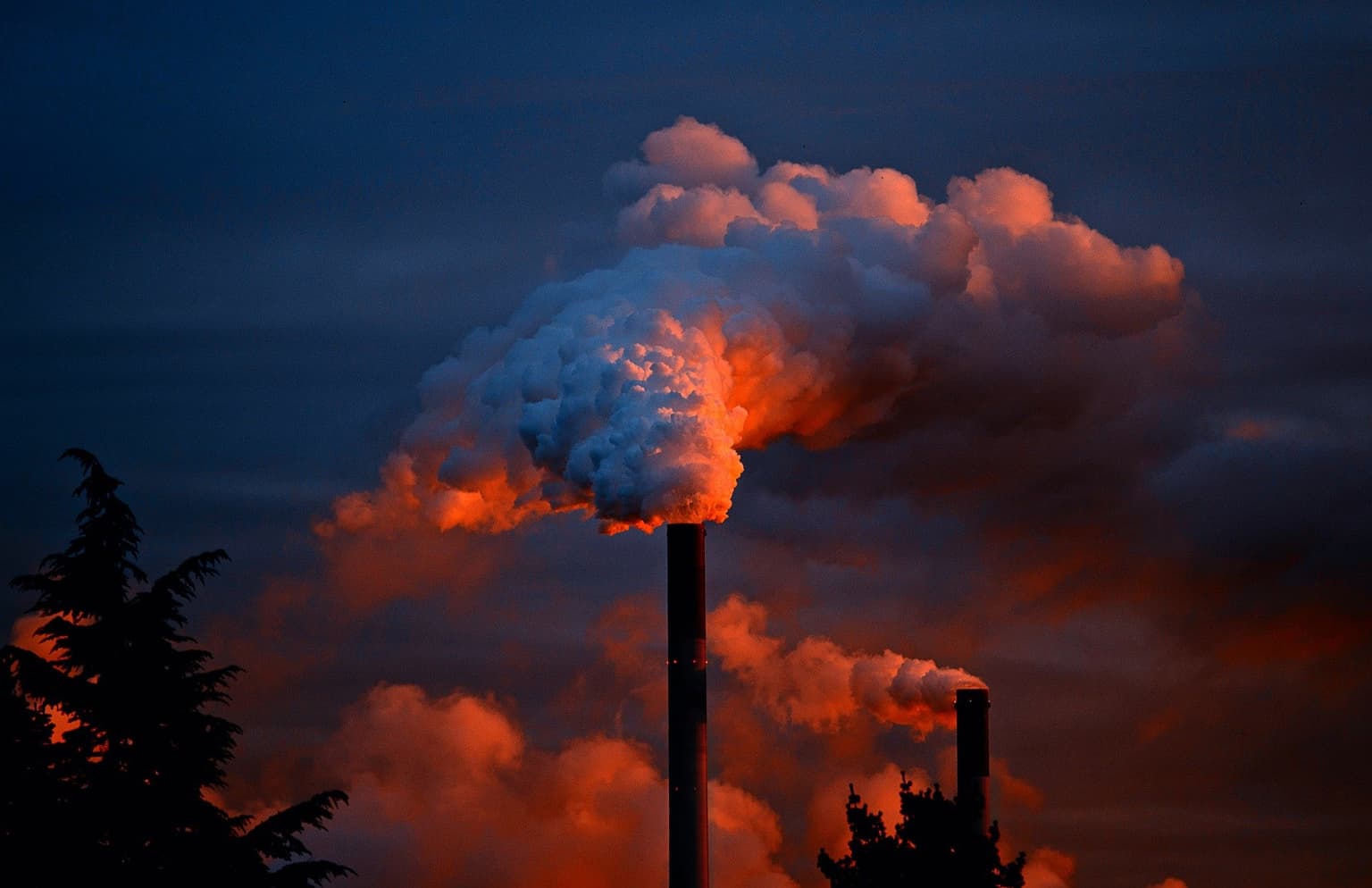
With the arrival of October, the European Union launched the first phase of the world’s first system to put a price on emissions from imported goods. In addition to protecting its own climate ambitions, the EU hopes that carbon border charges will help extend them globally. However, importers will not have to pay any charges during the first phase.
The European Union and its member states have long discussed putting a price on emissions from imported products, which are not covered by the local ETS because they are produced outside the EU. The first phase of the so-called Carbon Border Adjustment Mechanism (CBAM) began over the past weekend.
6. A climate breakthrough in construction with carbon-neutral cement

Emissions from cement production—the world’s most widely used building material—account for around one twelfth of global carbon dioxide emissions (about three times more than aviation). However, this problem does not receive enough attention.
Double CO2 release during cement production
Portland cement is the most widely used type of cement in the world. Its production involves heating limestone in a kiln at temperatures of 1 450 °C, which breaks down the minerals into calcium oxide and carbon dioxide. Concrete is produced by mixing in sand, clay and any other additives with water.
7. First EU cross-border renewables financing tender was oversubscribed; 400 MW of solar plants to be built
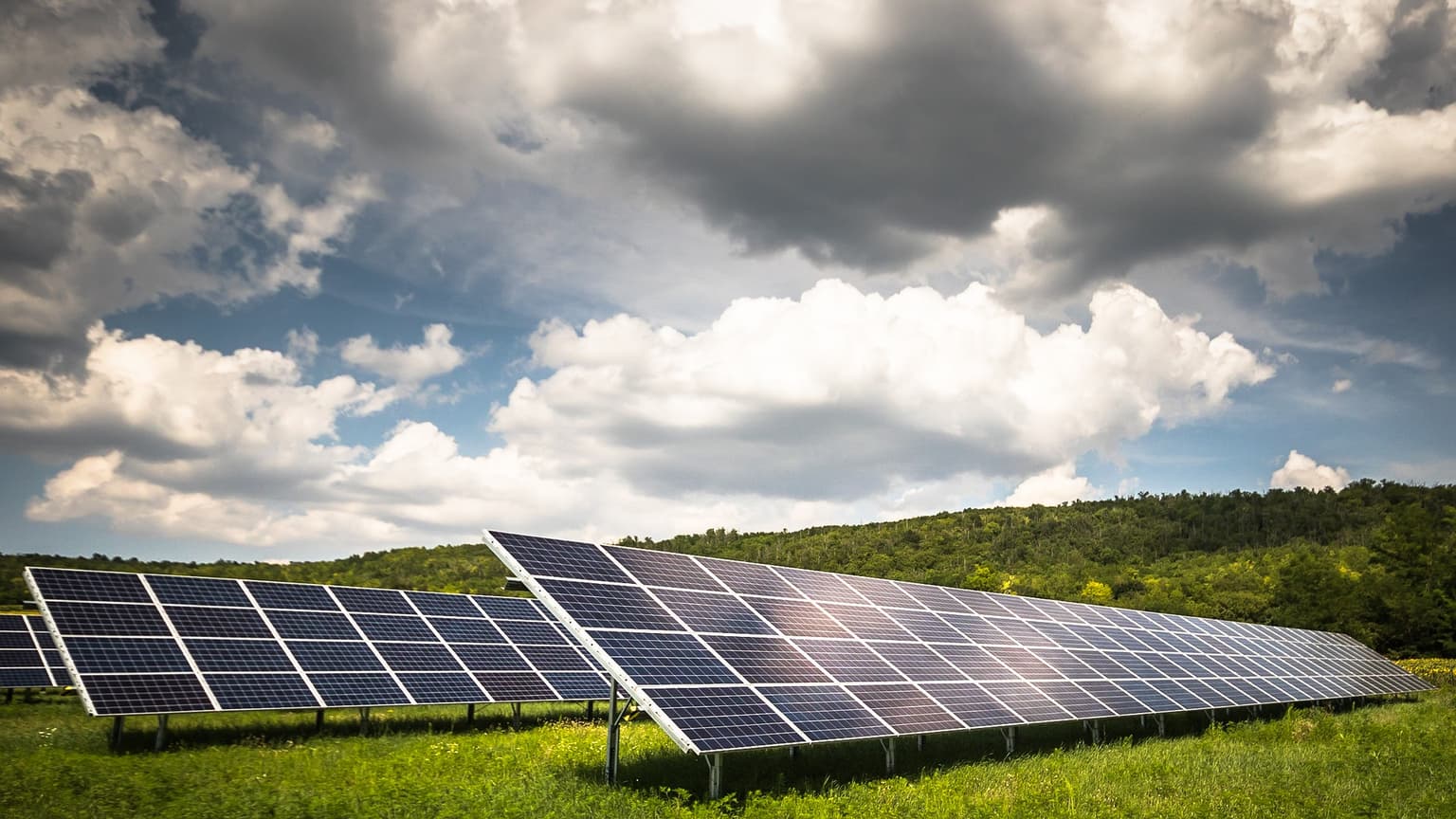
There was strong interest in the first tender held under the EU Renewable Energy Financing Mechanism. Solar power projects in Finland with a total installed capacity of 400 MW ultimately won support, matching the maximum capacity sought. The total capacity offered in the tender was 516 MW. Luxembourg will provide the funds for the investment support awarded.
As the European Commission said on its website, the tender was open to projects for solar power plants with an installed capacity of between 5 MW and 100 MW located in Finland. Luxembourg provided 40 million euros for the tender.
8. Analysts: electricity prices will rise next year despite suppliers cutting prices

Electricity prices for consumers are likely to rise next year despite possible further price cuts by suppliers. This is due to part of the renewable energy surcharge (POZE) being shifted back to customers. The extent of the increase will also depend on changes to distribution charges, which are generally expected to rise compared with this year. This is according to comments made by analysts to the Czech News Agency (ČTK). They do not expect the renewable energy surcharge to be abolished.
Industry and Trade Minister Jozef Síkela (STAN) said on Czech Television on Sunday that electricity prices could rise next year. In his view, prices should increase by no more than ten percent compared with current levels, although he expects a smaller rise. The main reason is that part of the renewable energy surcharge will be shifted back to consumers. The state covered it in full this year. From next year, consumers will again pay a charge of 599 crowns for each megawatt-hour of electricity they use.
9. ČEZ to build a large solar power plant on the roof of Zentiva’s pharmaceutical factory in Prague
One of the largest rooftop solar power plants in Czechia will be built on the roof of Zentiva’s pharmaceutical factory in Dolní Měcholupy, Prague. It will generate 910 megawatt-hours of electricity a year, equivalent to the consumption of around 260 typical households. The pharmaceutical company will use the electricity for its own consumption. ČEZ ESCO, which is installing the photovoltaic system, informed the Czech News Agency (ČTK).
The one-megawatt (MW) photovoltaic plant will be installed on four buildings at the Zentiva factory site. According to ČEZ ESCO, a total of 2132 solar panels will cover almost 5000 square metres of roof space, equivalent to around 25 tennis courts.
10. Slovenia: task force to speed up preparations for the country’s second nuclear unit
The Slovenian government has established a task force to coordinate preparatory work for the construction of a second nuclear unit in the country. Slovenia wants low-carbon sources to meet electricity demand, which is expected to double by 2050. The country currently operates one pressurised water reactor with a capacity of 730 MW.
At the end of September, a task force to coordinate preparatory work on the New Nuclear Power Plant Krško 2 project met for the first time in Slovenia. The Slovenian government wants to speed up preparations for the construction of a second nuclear unit in the country. In the future, it should help the country transition to low-emission electricity generation and phase out coal.
Topic
Germany’s path to green energy: history and new support in the new millennium

Germany has long positioned itself as a European leader in the development and use of renewable energy sources, particularly wind and solar power. German Economy Minister Robert Habeck recently said that the country is likely to generate more than half of its electricity from renewables this year. This series looks at Germany’s progress so far towards renewable electricity generation. The first instalment focuses on the period before the introduction of auctions, which are currently the country’s main support mechanism for these sources.
The transition to greater use of renewable energy has traditionally enjoyed strong support in Germany, historically linked to anti-nuclear activism. Germany currently generates no electricity from nuclear power plants, as its last three units were shut down this spring. Before the accident at Japan’s Fukushima nuclear power plant, however, nuclear sources generated around a quarter of Germany’s electricity.
Can Europe attract manufacturers of solar components? China has dominated the market so far
Over the past decade, the mining and processing of materials needed to manufacture photovoltaic system components, as well as the production of the components themselves, has shifted from Europe, Japan and the US to China. A look at the investments made during this period helps explain why. China invested around 50 billion EUR across the entire supply chain—more than ten times the EU’s investment. The EU aims to increase its own production, but can it succeed?
China’s strategic investments
As we reported earlier, Chinese photovoltaic panel exports to Europe have almost quadrupled in just the past 5 years. Their value exceeded 20 billion EUR last year, and 9 out of every 10 panels imported into Europe came from China.
Energostat: electricity generation in Czechia
Energostat: electricity generation in Germany
Translation disclaimer
This article is a machine translation of the Czech original and has not yet been fully reviewed. In case of any doubt, please refer to the Czech version.