District heating in a time of change: From coal to modern technologies backed by new regulation
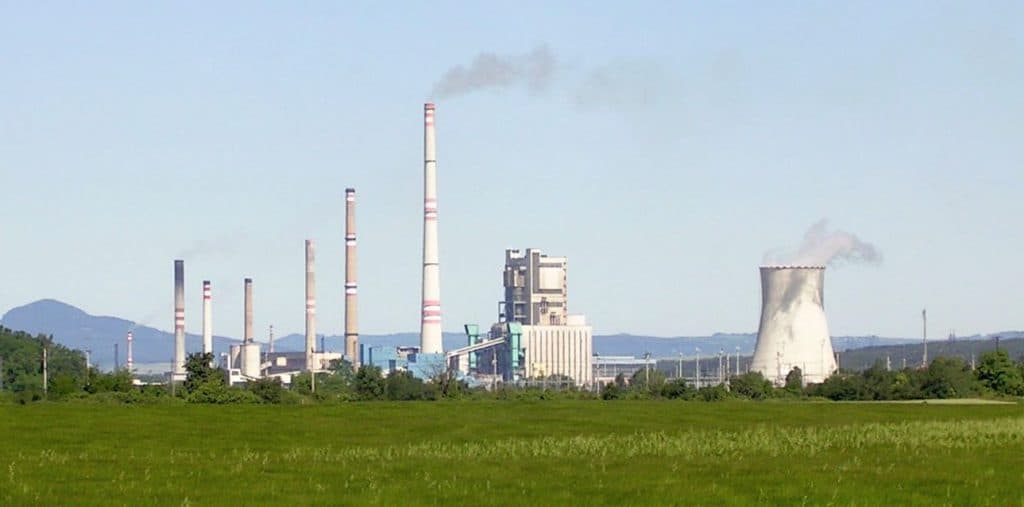
The transformation of the Czech district heating sector is, according to Jan Šefránek, chairman of the Energy Regulatory Office (ERÚ) Council, a crucial step towards meeting climate targets and ensuring sustainable and efficient heat supply. Since 2022, the Energy Regulatory Office (ERÚ) has been changing regulatory rules to support investment, transparency and a fairer distribution of costs among customers. Nevertheless, the district heating environment remains largely unstable for investors, with significant risks to their further investments.
According to Šefránek, the Czech district heating sector is undergoing fundamental changes in connection with the overall energy transition. The core objectives of this transformation are to reduce greenhouse gas emissions, use energy efficiently and deploy modern technologies. Unlike the electricity and gas sectors, however, district heating is highly local and diverse in terms of individual systems, creating a number of specific challenges.
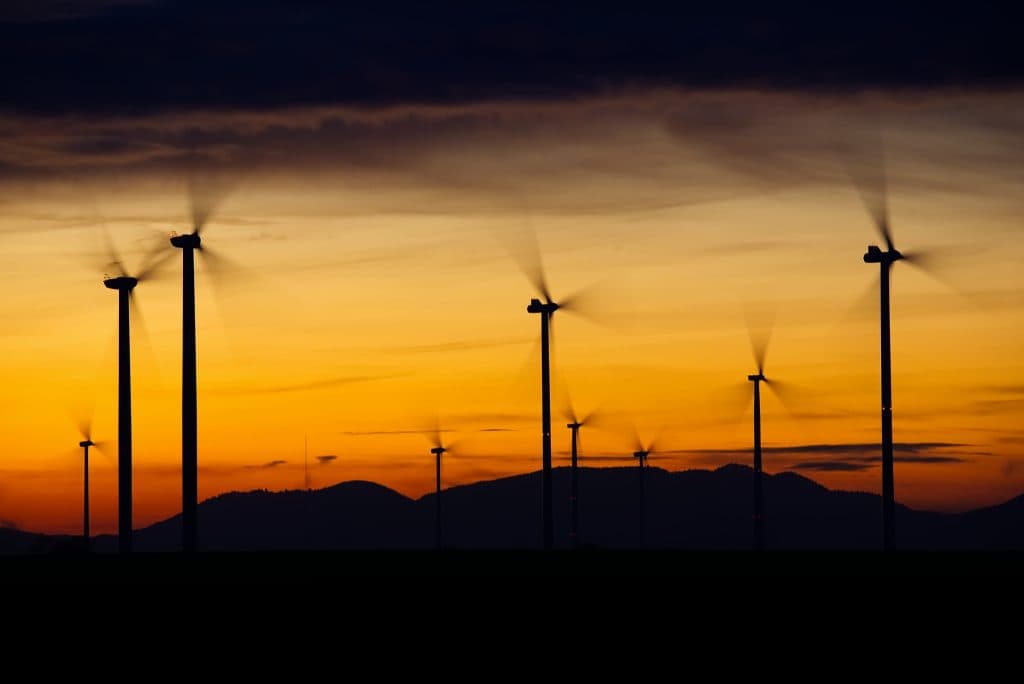
Based on 2023 data, households account for 45 % of total heat consumption in district heating systems. Price fluctuations, which have been pronounced and frequent in recent years, therefore have a major social impact. District heating systems are highly developed in the Czech Republic, which is considered a competitive advantage for the country compared with other EU states. In a modern energy system, they represent an important source of flexibility – for example, when surplus renewable energy generation (RES) is used in electric boilers or heat pumps.
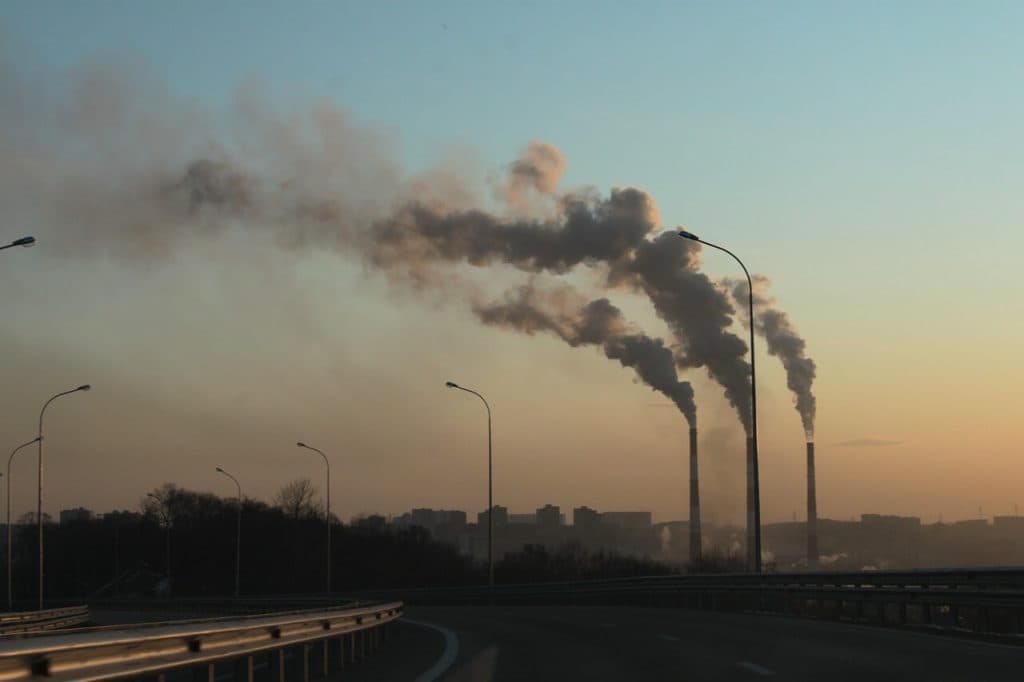
However, coal, from which a phase-out is expected in the near future, still accounted for more than 45 % of total gross production in 2023. Alternatives to coal are limited, and some remain uncertain.
Natural gas, biomass and, subsequently, hydrogen
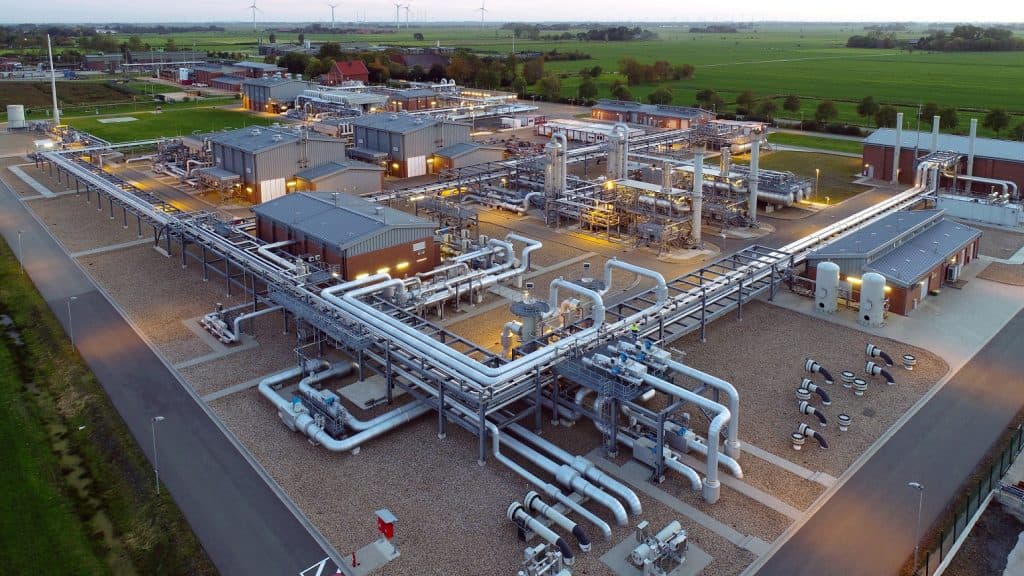
Among the uncertain options are natural gas, hydrogen and biomass. In the case of natural gas for smaller district heating systems, this is due to the introduction of EU ETS II and speculation about its potential postponement, modification or various forms of consumer compensation. Moreover, natural gas, like coal, is also expected to be gradually phased out.
The production of green hydrogen in the Czech Republic, without operational support that has not yet been introduced, is not economically viable (at least not from renewable energy sources), while its transport is also problematic, as hydrogen pipelines do not yet exist in the country. It is therefore a prospect for the distant future.
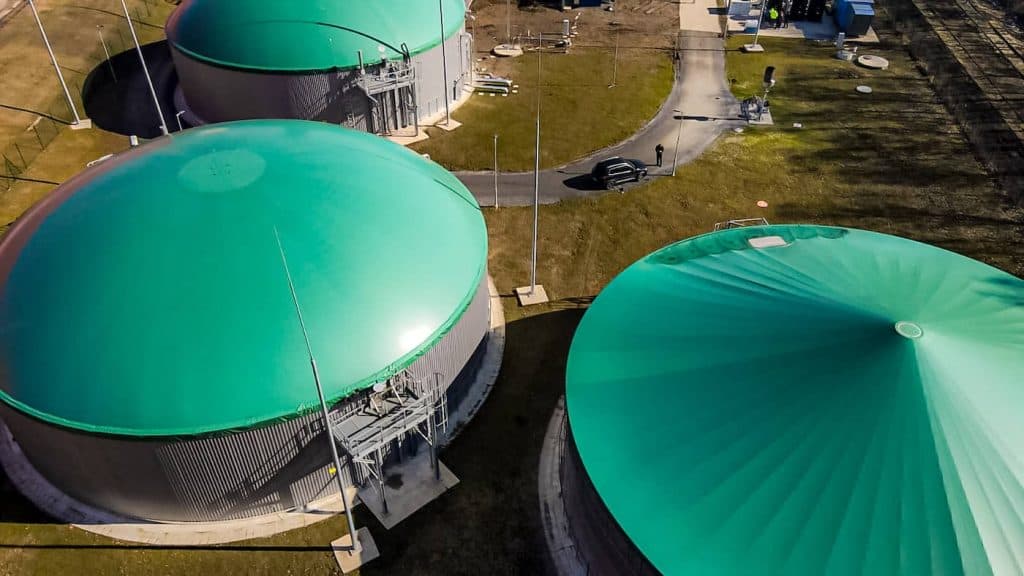
European regulation concerning biomass is evolving, and its availability, as a larger number of coal-fired plants switch to biomass combustion, is also under discussion – with implications for prices.
Efforts to create a predictable regulatory environment
But back to price regulation itself. According to Šefránek, the ERÚ is adapting to these challenges and has been gradually adjusting the regulatory framework since 2022 in an effort to create a predictable environment. At least as far as regulation under the ERÚ's remit is concerned.
For example, the new pricing structure favours two-part tariffs, which distribute costs more fairly among different types of customers – such as where district heating is used only as a backup source.
A fundamental regulatory change is also the emphasis on investment incentives: the newly defined reasonable profit, reflecting the time value of money, favours modernisation over the mere replacement of older, inefficient equipment. The use of waste heat and the introduction of smart solutions for end users are also being supported.