6 November 2026, 14:13
Loading...
Germany's path to green energy: the (r)evolution of auctions after initial enthusiasm

Eduard Majling
26 October 2023, 12:16
The first two parts of this series on Germany’s path to renewable energy covered its history and the launch of support in the new millennium, as well as the shift from support for renewable energy development to an auction system. The auction system is currently Germany’s primary tool for building large-scale solar and wind farms in particular. Since its introduction, the auctions have undergone a number of changes, especially in recent years and months.
While the first rounds of German auctions for solar and wind power plants were highly successful, the situation began to change as early as the second year. A shortage of new onshore wind projects proved particularly critical. In 2019, the fewest wind power plants were built since the start of the millennium. The number of newly approved projects also fell sharply. One key factor was the regulation of the distance between wind farms and residential areas, as projects began to face public opposition.
As early as 2019, Germany discussed raising the price caps in wind power auctions as a possible way to make these projects more attractive. At the time, the German regulator decided not to raise the cap, citing concerns about insufficient competition. As in previous years, the country was also short of projects in 2020, and auction prices remained close to the price cap for each auction.
The shortage of wind projects and investors’ reluctance to compete alongside solar PV projects also led to wind power plants being absent from technology-neutral auctions. Germany eventually abandoned these auctions in 2020, when the final two rounds were held.
Further legislative changes made investment less attractive
The 2021 amendment to Germany’s Renewable Energy Sources Act (EEG 2021) brought, among other things, tighter conditions for renewable energy support. Whereas Germany had previously applied the so-called six-hour rule, the amended law introduced a four-hour rule for new installations. These rules use a mechanism under which some supported generators lose their entitlement to financial compensation if electricity prices on the spot market fall below zero for six or four consecutive hours, respectively.
Germany hoped this measure would address the problem of the growing number of hours with negative electricity prices, which, during favourable weather conditions or strong sunshine, drove down revenues for subsidised wind and solar parks. This phenomenon is known as cannibalisation: as the installed capacity of intermittent sources grows, their profitability declines and the need for operating support increases, reflecting the sharp fall in spot electricity prices.
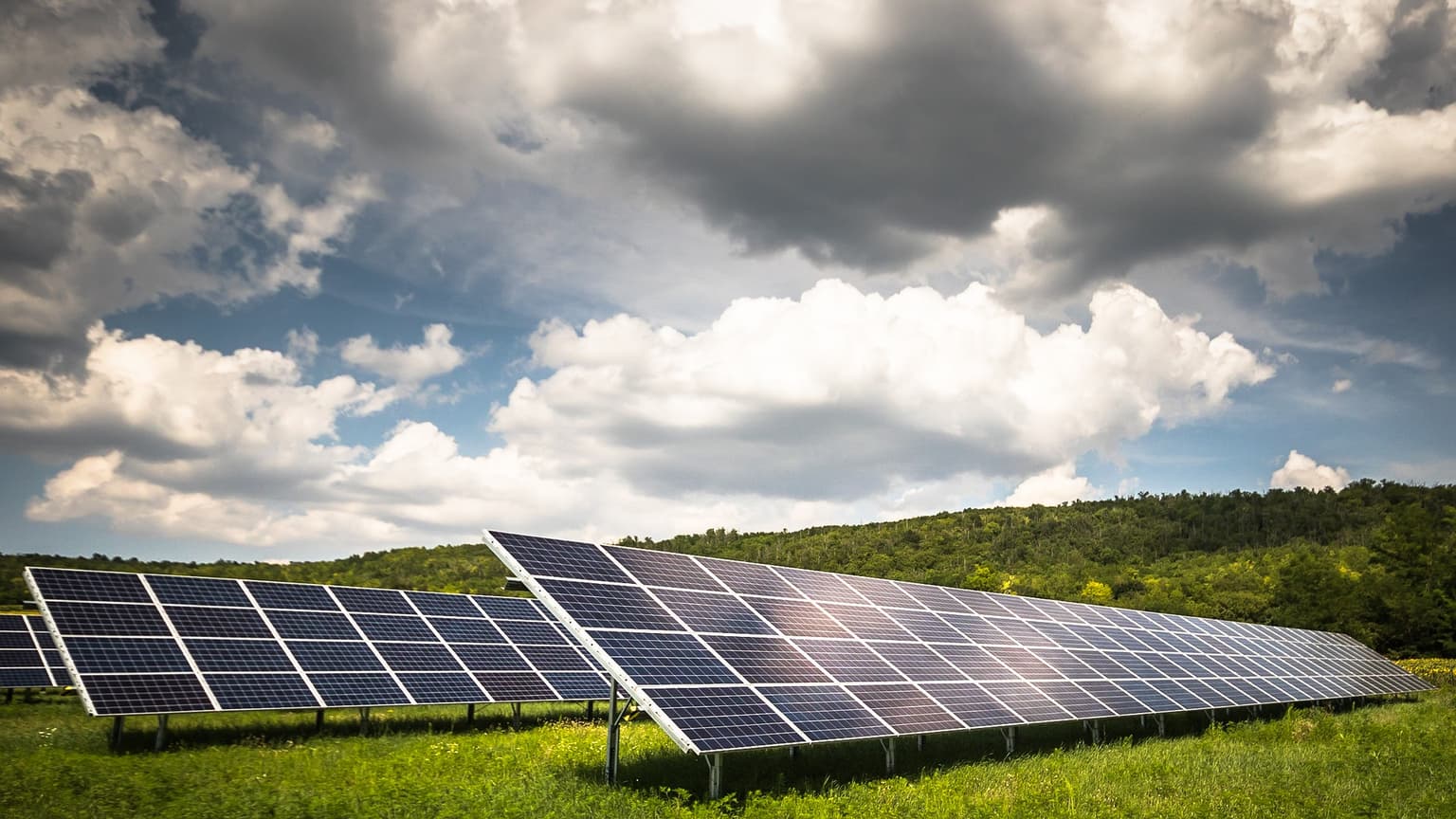
Solar power plant. Source: Pixabay
Reducing auction volumes did not ensure competition
In 2021, the German regulator began reducing the originally announced auction volumes for wind power plants, anticipating a shortage of projects. But reducing the volume did not help fill the second auction of 2021, and prices continued to hover around the cap.
The following wind auction rounds followed a similar pattern: of the seven rounds held in 2021 and 2022, only two were fully subscribed.
For solar power plants, scrapping the original cap was crucial
A key step in further developing solar PV in Germany in 2020 and beyond was removing the cap on supported capacity. Germany had originally set a 52 GW installed-capacity limit for solar power plants, beyond which new installations would no longer receive subsidies. The possible withdrawal of support posed a major risk to further construction, but the original cap was scrapped in 2020, shortly before the country’s total installed solar PV capacity reached that level.
In 2020 and 2021, competition in solar auctions remained strong. Even so, prices did not come under further downward pressure, and average auction prices remained above EUR 50/MWh.
In 2021, Germany also introduced auctions for solar systems on rooftops and noise barriers. Competition was not as strong in the first two rounds as for ground-mounted installations, but there were enough projects to award all the capacity on offer. Compared with ground-mounted installations, auction prices were nevertheless around 30 to 40% higher.
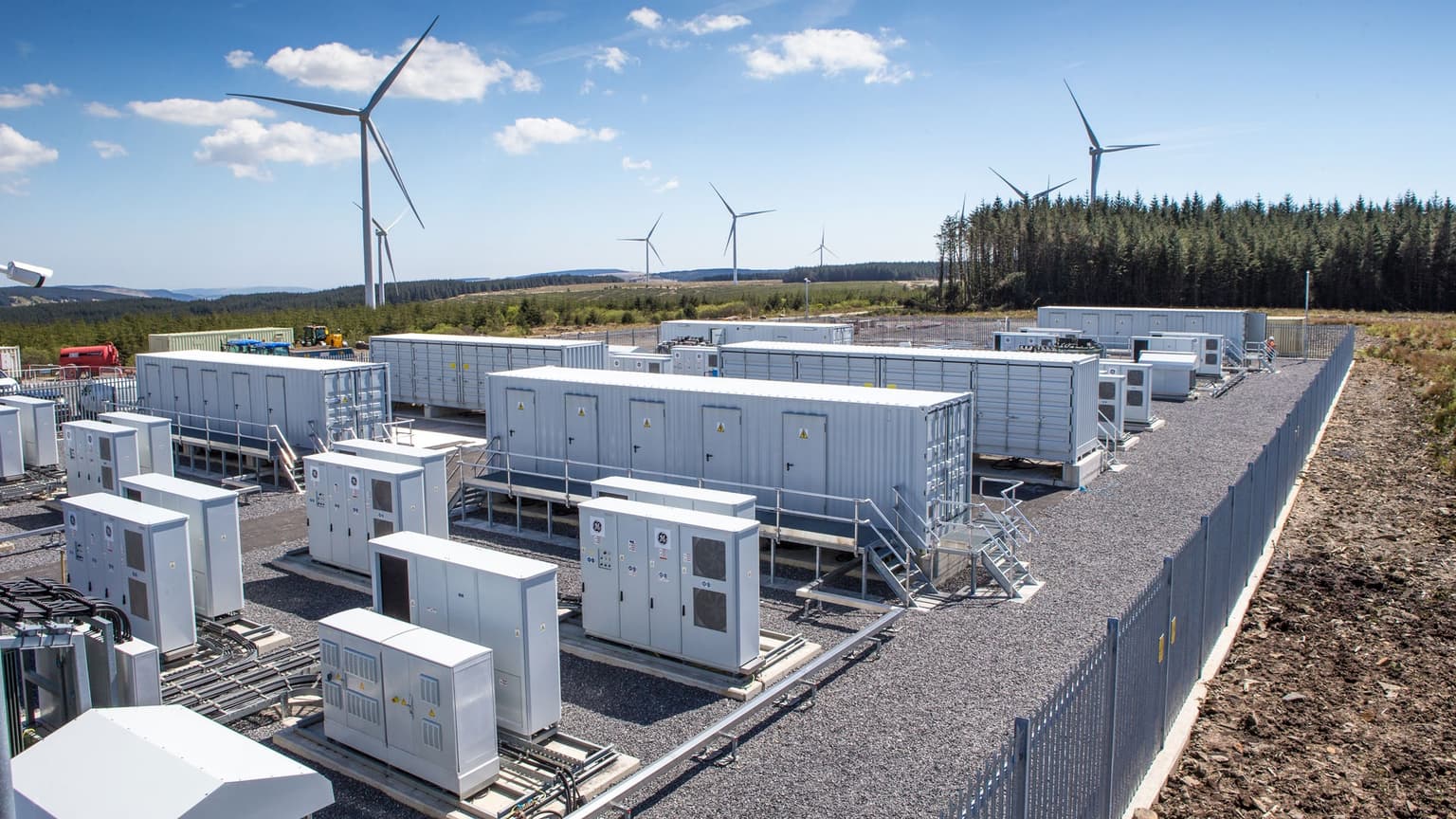
Wind power plant with battery storage. Source: Vattenfall
Renewables support with storage through innovative auctions
A new feature in 2020 was the introduction of so-called innovative auctions, in which developers could bid with projects combining different types of renewable energy sources or incorporating short-term storage. Unlike in regular auctions, innovative auctions initially did not compete for a minimum guaranteed purchase price, but for a fixed bonus that operators receive in addition to revenue from selling their output on the market.
As with technology-neutral auctions, solar power plants have dominated this segment from the outset, in this case paired with short-term storage. Although one project combining a wind farm with storage won the very first round, subsequent rounds were dominated by solar PV installations with storage. In the second round of 2021, only some of the capacity on offer was awarded, as investor interest was weak and the regulator had to exclude several bids from the auction.
Germany held its first offshore wind auction in three years in 2021. As in previous auctions, bids requiring no operating support were submitted, and they dominated the round entirely.
2022: A shortage of projects also hit solar PV auctions
With the arrival of 2022, a year marked by the energy crisis that had begun in 2021, project shortages in auctions were no longer confined to onshore wind power plants. The full capacity on offer also went unawarded in the first ground-mounted solar auction of the year. Although the auction was fully subscribed, the German regulator had to exclude several bids because they did not meet all the requirements. The situation remained unchanged in subsequent rounds.
The same happened in the first 2022 auction for rooftop solar power plants and installations on noise barriers. The rooftop solar auction was only about a quarter subscribed. The following two rounds of this type of auction that year fared no better.
By contrast, developer interest remained strong in the only offshore wind auction held in 2022. By bidding for no operating support, developers secured both sites for their wind farms and grid connections, which the relevant transmission system operator builds using a charge levied on electricity consumers.
For the final onshore wind auction of last year, the German regulator even halved the volume of capacity on offer. Even so, the auction was less than one-third subscribed.
The second innovative auction of 2022 also fared poorly, with just one project submitted. The main reason for this failure was a change in the conditions for innovative auctions: instead of a fixed bonus, bidders now competed for a guaranteed minimum purchase price, as in other types of auctions. Given the complete lack of competition, the regulator did not publish any detailed information about the project’s size or the auction price, in order to protect commercial confidentiality.
Sharp increases in price caps aimed at attracting projects
The critical shortage of projects not only eliminated any pressure to drive down auction prices, but also posed a risk to Germany’s renewable energy development targets. At the end of last year, the German regulator announced plans to raise auction price caps by 25%. It needed the support of German lawmakers to do so, however, since the legislation in force at the time allowed it to raise prices by only 10%.
Initially, the price cap was raised only for onshore wind auctions and for solar PV installations on rooftops and noise barriers. Shortly afterwards, however, the regulator announced the same percentage increase in the caps for ground-mounted solar PV, as well as for innovative auctions.
Investor interest picked up, especially after this summer
Higher price caps, some stabilisation in supply chains, and wholesale electricity prices that were less volatile than in the extreme year of 2022 helped attract enough investors back to this year’s solar PV auctions.
Germany continues to face a shortage of wind projects. In the first round this year, only half of the 3.2 GW on offer was awarded. Subsequent rounds brought no improvement, even though the volume offered in this year’s third round was again cut by about half.
The solar PV auctions mentioned above, by contrast, have attracted strong interest, with the latest dedicated auction for ground-mounted solar PV drawing a record number of participants. The picture was similar to some extent for innovative auctions: in the first round this year, held in May, only one-fifth of the capacity on offer was awarded. But bids submitted in the September auction amounted to twice the auction’s capacity. Here too, the change in investor interest may have been due to revised auction conditions, as Germany substantially expanded the zones around motorways and railway lines where renewable energy projects benefit from simplified permitting procedures.
Investors’ experience this summer may also have contributed to the stronger interest, as spot electricity prices repeatedly fell below zero. Although operators of projects in innovative auctions receive no support during periods of negative prices, they can use their storage to limit electricity fed into the grid during the hours when prices are lowest.
Offshore wind farms: from support to payments for site rights
Another new development this year was a change to the auction system for offshore wind farms. In light of experience with bids requiring no operating support, Germany revised the system so that developers now pay for sites for their projects. Whereas the lowest bids win auctions for operating support, in this case the winning bids offer the highest compensation investors are willing to pay.
Over the coming decades, Germany is expected to collect more than EUR 12 billion gradually if the projects from the first auction this year are built. The second auction brought in almost EUR 800 million.
Translation disclaimer
This article is a machine translation of the Czech original and has not yet been fully reviewed. In case of any doubt, please refer to the Czech version.
Sdílejte článek prostřednictvím:
You might also like

6 November 2026, 10:25